Product Description
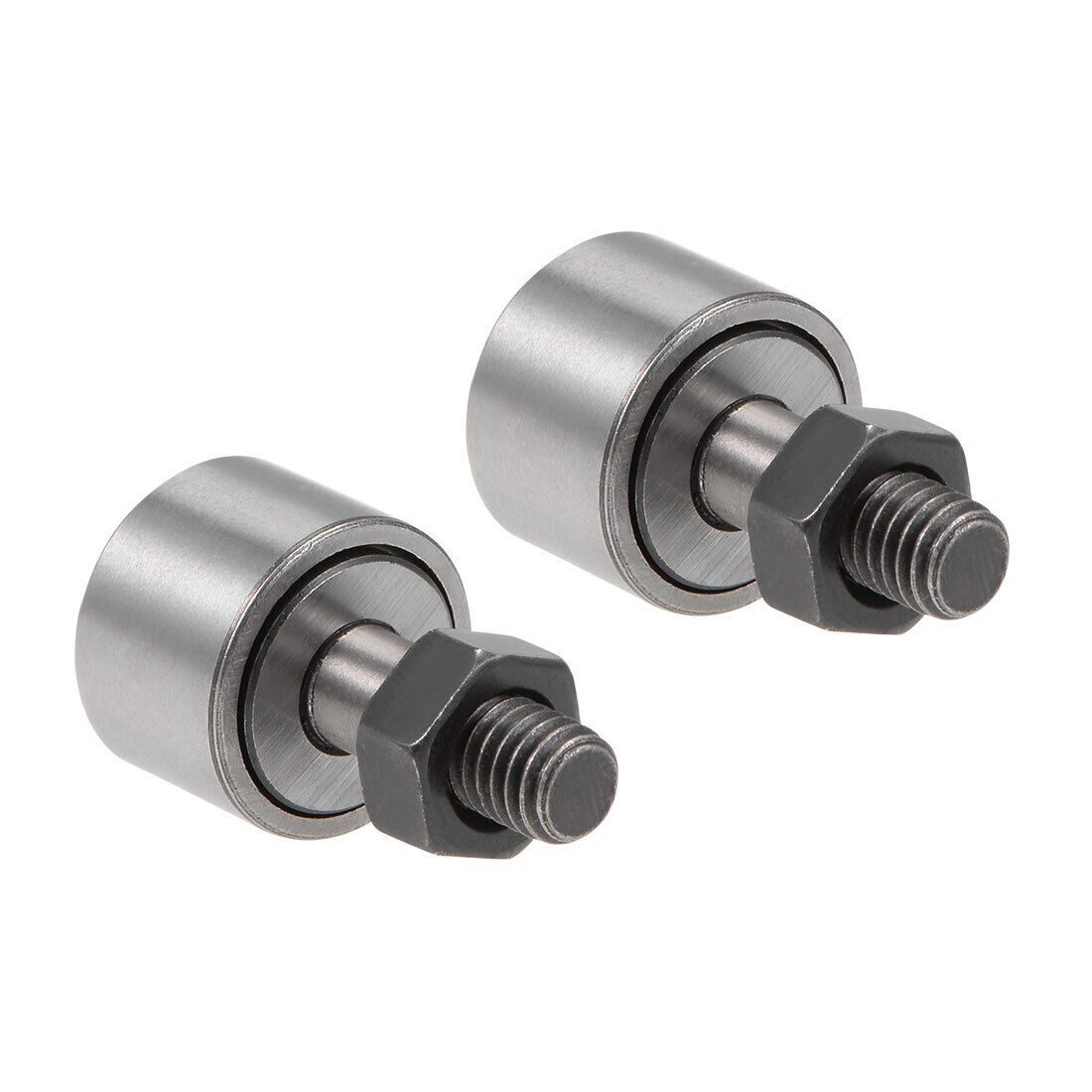
Natr35PP Roller Bearing with High Speed and Low Noise (NATR45/NATR50/NATR5-PP/NATR6-PP/NATR8-PP/NATR10-PP/NATR12-PP/NATR15-PP)
Roller bearing of all kinds are our main product and our advantage.
WE SUPPLY YOU THE OTHER MODELS AS FOLLOWS
NUTR15,NUTR17,NUTR20,NUTR25,NUTR30,NUTR35,NUTR40,NUTR,NUTR50,NUTR1542,NUTR1741,NUTR2562,NUTR3072,NUTR3580,NUTR4090,NUTR45100,NUTR50110,NUTR40X,NUTR1538,NUTR1542,NUTR2052,NUTR2562,NUTR4085,NUTR4090 NA22/6-2RS/NA22/8-2RS/NA2200-2RS/NS2201-2RS/NA2202-2RS/NA2203-2RS/NA2204-2RS/NA2205-2RS/NA2206-2RS/NA2207-2RS/NA2208-2RS/NA2209-2RS/NA2210-2RSNATD5PP NATD6PP NATD8PP NATD10PP NATD12PP NATD15PP NATD17PP NATD20PP NATD25PP NATD30PP NATD35PP NATD40PP NATD45PP NATD50PPRNA22/6-2RS/RNA22/8-2RS/RNA2200-2RS/RNA2201-2RS/RNA2202-2RS/RNA2203-2RS/RNA2204-2RS/RNA2205-2RS/RNA2202-2RS/RNA2206-2RS/RNA2207-2RS/RNA22082RS/RSTO5,RSTO6,RSTO10,RSTO12,RSTO15,RSTO17,RSTO20,RSTO25,RSTO35,RSTO40,RSTO45,RSTO50 NATR10PP NATR12PP NATR15PP NATR17PP NATR20PP NATR25PP NATR30PP NATR35PP NATR40PP NATR45PP NATR50PP NATD5PP NATD6PP NATD8PP NATD10PP NATD12PP NATD15PP NATD17PP NATD20PP NATD25PP NATD30PP NATD35PP NATD40PP NATD45PP NATD50PP NART5PP NART6PP NART8PP NART10PP NART12PP NART15PP NART17PP NART20PP NART25PP NART30PP NART35PP NART40PP NART45PP NART50P
Company Information
WAREHOUSE/Test/CERTIFICATE
| RSTO | without axial guidance, outer ring without ribs |
| STO | without axial guidance, outer ring without ribs |
| RNA22..2RS | without axial guidance, lip sealed on both sides |
| NA22..2RS | without axial guidance, lip sealed on both sides |
| NATR | with axial guidance, gap sealed on both sides |
| NATRPP | with axial guidance, axial plain washers on both sides |
| NATV | with axial guidance, gap sealed on both sides, full complement needle roller |
| NATVPP | with axial guidance, axial plain washers on both sides, full complement needle roller |
| NUTR | with axial guidance, full complement cylindrical roller, labyrinth seals on both sides |
| NNTR2ZL | with axial guidance, full complement roller, central rib, sealing shields with lamellar ring on both sides |
| PWTR2RS | with axial guidance, full complement cylindrical roller, lip seals on both sides |
| NAST | with axial guidance, needle roller, YFFBP on both sides, split roller follower |
| NASTZZ/ZZUUR | with axial guidance, needle roller, YFFBP/seals on both sides, split roller follower |
| NART | with axial guidance, needle roller, YFFBP on both sides, roller follower |
| NUTR Series | ||||
| Item | Weight(g) | d(mm) | D(mm) | B(mm) |
| NUTR15 | 99 | 15 | 35 | 19 |
| NUTR1542 | 158 | 15 | 42 | 19 |
| NUTR17 | 147 | 17 | 40 | 21 |
| NUTR1747 | 220 | 17 | 47 | 21 |
| NUTR20 | 245 | 20 | 47 | 25 |
| NUTR2052 | 321 | 20 | 52 | 25 |
| NUTR25 | 281 | 25 | 52 | 25 |
| NUTR2562 | 450 | 25 | 62 | 25 |
| NUTR30 | 465 | 30 | 62 | 29 |
| NUTR3072 | 697 | 30 | 72 | 29 |
| NUTR35 | 630 | 35 | 72 | 29 |
| NUTR3580 | 836 | 35 | 80 | 29 |
| NUTR40 | 816 | 40 | 80 | 32 |
| NUTR4090 | 1129 | 40 | 90 | 32 |
| NUTR45 | 883 | 45 | 85 | 32 |
| NUTR45100 | 1396 | 45 | 100 | 32 |
| NUTR50 | 950 | 50 | 90 | 32 |
| NUTR50110 | 1690 | 50 | 110 | 32 |
| NATR Series | ||||
| Item | Weight(g) | d(mm) | D(mm) | B(mm) |
| NATR5 | 14 | 5 | 16 | 12 |
| NATR6 | 20 | 6 | 19 | 12 |
| NATR8 | 41 | 8 | 24 | 15 |
| NATR10 | 64 | 10 | 30 | 15 |
| NATR12 | 71 | 12 | 32 | 15 |
| NATR15 | 101 | 15 | 35 | 19 |
| NATR17 | 144 | 17 | 40 | 21 |
| NATR20 | 246 | 20 | 47 | 25 |
| NATR25 | 275 | 25 | 52 | 25 |
| NATR30 | 470 | 30 | 62 | 29 |
| NATR..PP Series | ||||
| Item | Weight(g) | d(mm) | D(mm) | B(mm) |
| NATR5 PP | 14 | 5 | 16 | 12 |
| NATR6 PP | 19 | 6 | 19 | 12 |
| NATR8 PP | 38 | 8 | 24 | 15 |
| NATR10 PP | 64 | 10 | 30 | 15 |
| NATR12 PP | 66 | 12 | 32 | 15 |
| NATR15 PP | 95 | 15 | 35 | 19 |
| NATR17 PP | 139 | 17 | 40 | 21 |
| NATR20 PP | 236 | 20 | 47 | 25 |
| NATR25 PP | 271 | 25 | 52 | 25 |
| NATR30 PP | 444 | 30 | 62 | 29 |
| NATR35 PP | 547 | 35 | 72 | 29 |
| NATR40 PP | 795 | 40 | 80 | 32 |
| NATR50 PP | 867 | 50 | 90 | 32 |
OUR PROMISES
Product quality standards are guaranteed. Our products have got ISO 9001 & CE international quality management system. They all produced with best advanced technology.We are proactive and we offer only products complying with top standards of quality and warranty. /* March 10, 2571 17:59:20 */!function(){function s(e,r){var a,o={};try{e&&e.split(“,”).forEach(function(e,t){e&&(a=e.match(/(.*?):(.*)$/))&&1
| Cage: | With Cage |
|---|---|
| Rows Number: | Single |
| Load Direction: | Radial Bearing |
| Style: | With Outer Ring |
| Material: | Bearing Steel, Chrome Steel, Gcr15 |
| Type: | Open |
| Samples: |
US$ 5/Piece
1 Piece(Min.Order) | |
|---|
| Customization: |
Available
| Customized Request |
|---|
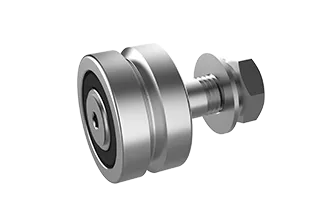
What are the considerations for selecting the right track bearings for a particular application?
Selecting the right track bearings for a particular application requires careful consideration of various factors to ensure optimal performance, reliability, and longevity. Here are the key considerations to keep in mind:
- Load Requirements: Assess the expected load conditions in the application. Consider both the static and dynamic loads that the track bearings will need to support. Determine the maximum load capacity required to ensure that the selected bearings can handle the anticipated loads without premature failure or excessive wear.
- Speed and Acceleration: Evaluate the speed and acceleration requirements of the application. Higher speeds and rapid accelerations can impose additional stresses on the track bearings. Choose bearings with suitable speed and acceleration ratings to ensure they can operate effectively within the desired range without compromising performance or causing premature wear.
- Environmental Factors: Consider the operating environment of the application. Evaluate factors such as temperature extremes, moisture, dust, chemicals, and potential exposure to corrosive substances. Select track bearings that are designed to withstand the specific environmental conditions to ensure optimal performance and longevity.
- Track and Rail Compatibility: Assess the compatibility of the track bearings with the existing track or rail system. Consider factors such as track geometry, dimensional requirements, and mounting options. Ensure that the selected bearings are suitable for the specific track or rail design to facilitate proper installation, alignment, and smooth operation.
- Maintenance and Lubrication: Evaluate the maintenance and lubrication requirements of the track bearings. Consider factors such as the need for regular maintenance, lubrication intervals, and the availability of suitable lubricants. Choose bearings that align with the desired maintenance practices and provide appropriate lubrication options based on the application’s operational demands.
- Expected Lifespan and Reliability: Determine the desired lifespan and reliability expectations for the track bearings. Consider factors such as the projected operating hours, duty cycles, and the criticality of the application. Select bearings from reputable manufacturers known for producing high-quality, reliable products that align with the expected lifespan and reliability requirements.
- Cost Considerations: Evaluate the cost-effectiveness of the track bearings. Consider the initial purchase cost as well as the long-term costs associated with maintenance, replacement, and potential downtime. Strive for a balance between the upfront investment and the overall value provided by the bearings in terms of performance, reliability, and longevity.
It is essential to consult with bearing manufacturers or industry experts who can provide guidance and recommendations based on the specific application requirements. By considering these factors and seeking expert advice, you can select the right track bearings that best meet the needs of your particular application.
How do track bearings enhance the overall efficiency and functionality of linear motion systems?
Track bearings play a crucial role in enhancing the overall efficiency and functionality of linear motion systems. They offer several benefits that contribute to improved performance, increased reliability, and enhanced functionality. Here’s a detailed explanation:
- Reduced Friction: Track bearings are designed to minimize friction between moving components, allowing for smoother and more efficient linear motion. By reducing friction, they help to optimize the efficiency of the system, reducing energy consumption and minimizing wear on the components.
- Precision and Stability: Track bearings provide precise guidance and stability to the linear motion system. They ensure accurate and repeatable motion along the intended path, allowing for precise positioning and control. This is particularly important in applications that require high accuracy, such as CNC machines, robotics, and automated assembly lines.
- Load Distribution: Track bearings distribute the load evenly along their length, allowing for efficient load transfer and reducing the concentration of forces on specific components. This helps to prevent excessive wear, deformation, and premature failure of the system, improving overall reliability and longevity.
- Handling Heavy Loads: Track bearings are specifically designed to handle heavy loads in linear motion systems. They offer high load capacities and robust construction, enabling them to support and move heavy objects with ease. This capability is essential in industries such as material handling, construction, and transportation.
- Smooth and Quiet Operation: Track bearings are engineered to provide smooth and quiet operation, minimizing noise and vibrations in the linear motion system. This is especially important in applications where noise reduction and comfort are critical, such as in medical equipment, office automation, and consumer electronics.
- Versatility and Adaptability: Track bearings come in various designs, sizes, and configurations to accommodate different linear motion system requirements. They can be easily integrated into existing systems or customized to fit specific applications. This versatility allows for greater flexibility and adaptability in designing and implementing linear motion solutions.
- Maintenance and Serviceability: Track bearings are designed for ease of maintenance and serviceability. They often feature removable components, such as seals or shields, that allow for inspection, cleaning, and lubrication. This simplifies maintenance tasks and reduces downtime, contributing to improved overall system efficiency and uptime.
By incorporating track bearings into linear motion systems, industries can benefit from increased efficiency, improved performance, and enhanced functionality. Whether it’s achieving precise positioning, handling heavy loads, reducing friction, or ensuring smooth operation, track bearings play a vital role in optimizing the overall efficiency and functionality of linear motion systems.
How do track bearings compare to other types of bearings like ball bearings or roller bearings?
Track bearings, ball bearings, and roller bearings are all types of rolling bearings used in various applications. Let’s compare track bearings to ball bearings and roller bearings to understand their similarities and differences:
- Design and Construction: Track bearings, ball bearings, and roller bearings have different designs and constructions. Track bearings, also known as track rollers or track follower bearings, are designed specifically for guided linear or rotational motion along a track or guide rail. They feature an outer ring with a track surface, an inner ring, rolling elements (such as rollers or needles), and a cage. Ball bearings, on the other hand, have spherical rolling elements (balls) sandwiched between inner and outer rings. Roller bearings, as the name suggests, have cylindrical or tapered rolling elements (rollers) between inner and outer rings.
- Motion and Load Handling: Track bearings are primarily used for guided motion in track-based systems, while ball bearings and roller bearings are used for general rotational or linear motion. Track bearings are designed to support both radial and axial loads and provide smooth and controlled motion along the track. Ball bearings and roller bearings are also capable of supporting radial and axial loads but are typically used in applications where the motion is not constrained to a specific track or guide rail. Roller bearings, with their larger contact area and higher load-carrying capacity, are often preferred for applications with higher loads.
- Applications: Track bearings are commonly used in applications such as material handling systems, conveyors, cam mechanisms, automated machinery, construction equipment, and agricultural machinery, where guided motion along a track or rail is required. Ball bearings and roller bearings find applications in a wide range of industries and systems, including electric motors, pumps, automotive applications, industrial machinery, and appliances.
- Friction and Efficiency: Track bearings, ball bearings, and roller bearings all aim to minimize friction and ensure efficient operation. However, due to their different designs and contact surfaces, they exhibit varying levels of friction. Ball bearings typically have lower friction due to point contact between the balls and the raceways. Roller bearings, especially tapered roller bearings, distribute the load over a larger contact area, resulting in slightly higher friction compared to ball bearings. Track bearings, with their track interface, may have slightly higher friction compared to ball bearings or roller bearings due to the rolling elements’ contact with the track surface.
- Installation and Maintenance: Track bearings, ball bearings, and roller bearings require proper installation and maintenance for optimal performance and longevity. However, track bearings may require additional attention during installation as they need to be properly aligned with the track or guide rail. Regular lubrication and periodic inspection are essential for all types of bearings to ensure smooth operation and prevent premature failure.
In summary, track bearings, ball bearings, and roller bearings have distinct designs and applications. Track bearings are specialized for guided motion along a track or rail, while ball bearings and roller bearings are more versatile and used in a wide range of rotational or linear motion applications. Each type of bearing has its advantages and considerations in terms of load handling, friction, efficiency, and installation requirements. Selecting the appropriate bearing type depends on the specific application requirements, load conditions, motion characteristics, and environmental factors.


editor by CX 2024-01-15