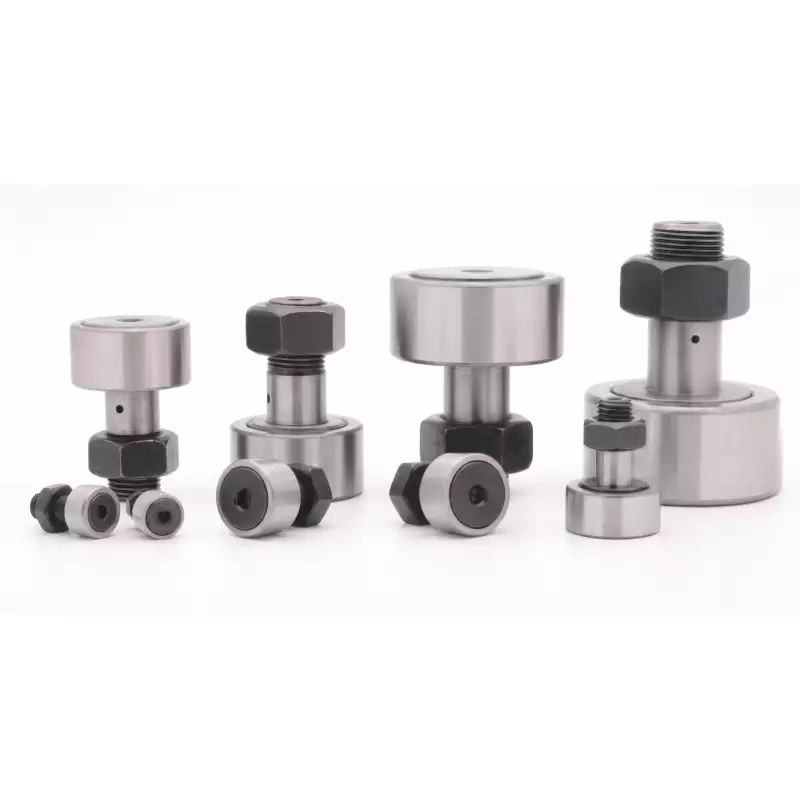
EP-KR / EP-KRV Series
Stud type cam follower references from EP-KR13 / EP-KRV13 through EP-KR90 / EP-KRV90.
Compare the series →EP-KR and EP-KRV stud type cam follower references from 13 to 90 mm outside diameter. Compare dimensions, threads, speed references and legacy model names before you quote or replace.
Start with the outside diameter and stud thread you need, then check width, stud geometry, speed and the mating track. EP-KR and EP-KRV references are shown together so replacement work stays easy to navigate.
Stud type cam follower references from EP-KR13 / EP-KRV13 through EP-KR90 / EP-KRV90.
Compare the series →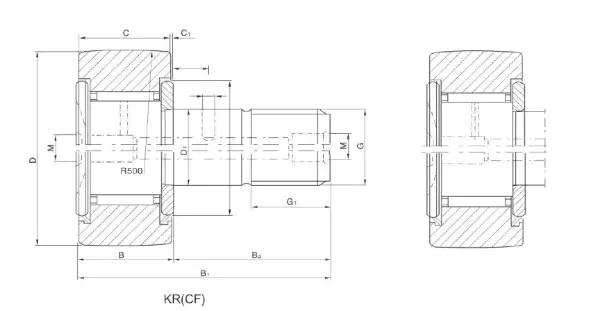
Use D, C, D1, thread, G1, B/B1/B2/B3, C1 and minimum corner radius as practical checkpoints.
Check mounting & fit →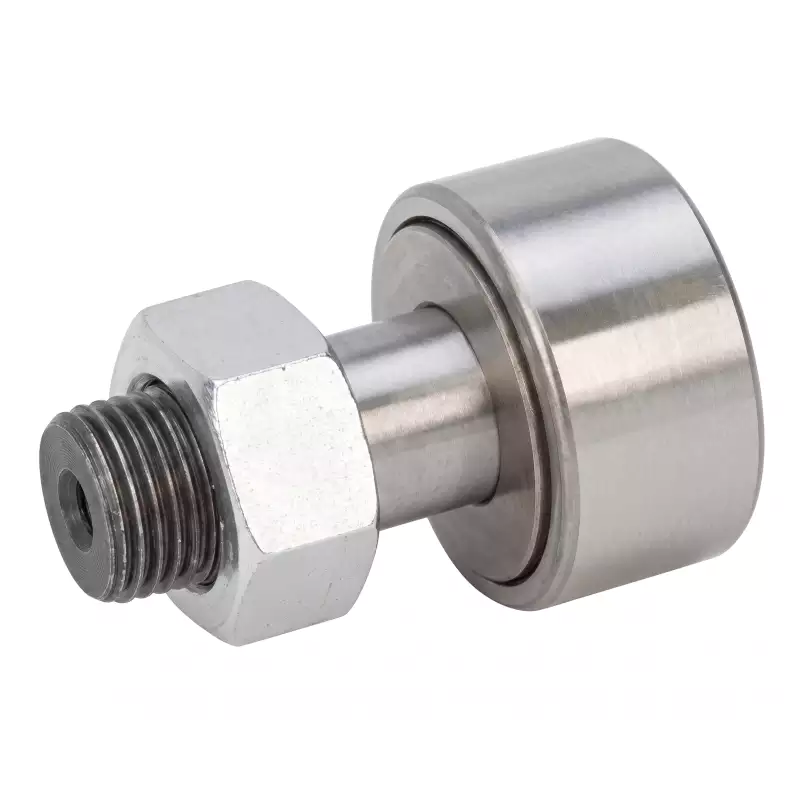
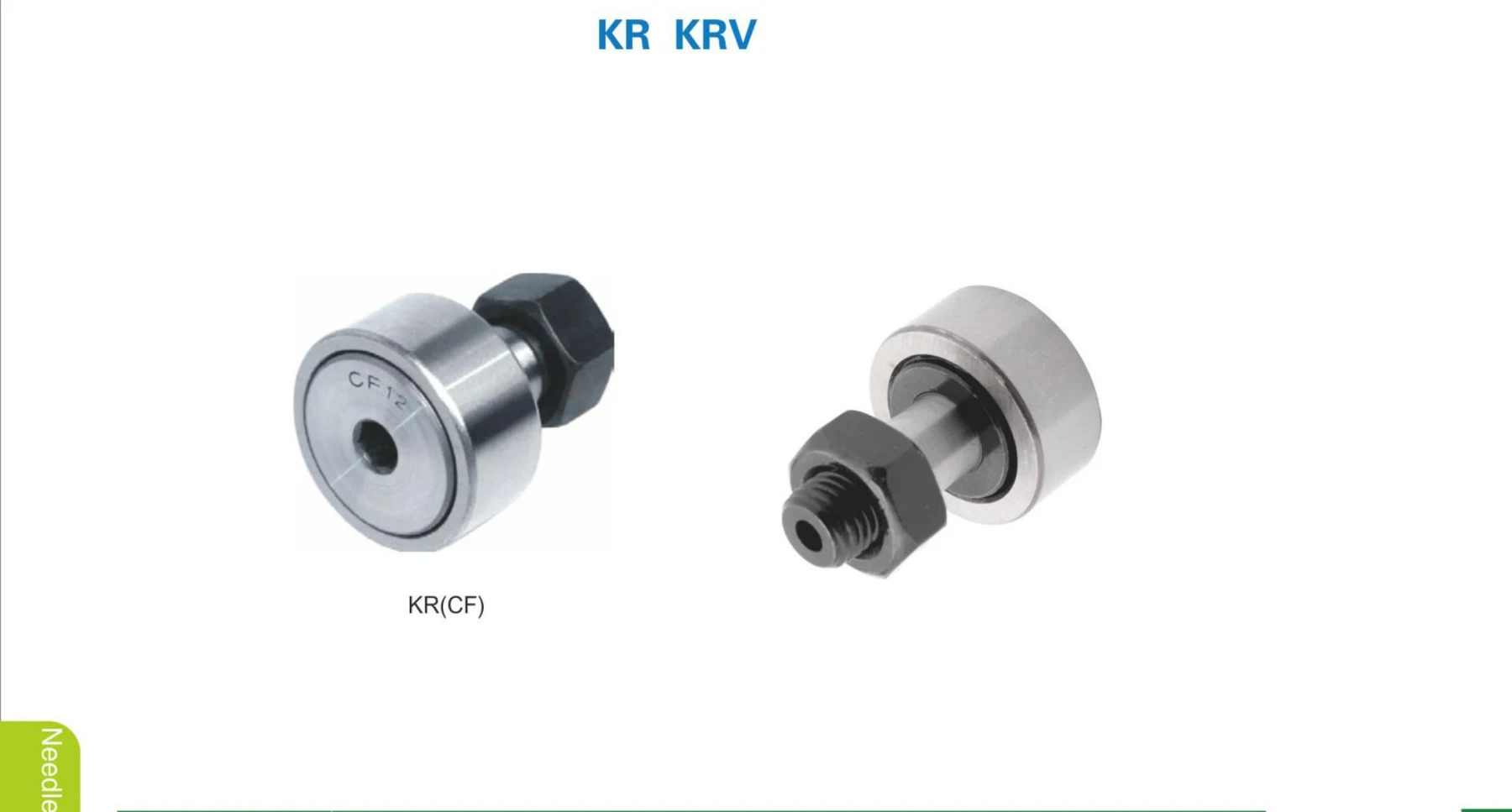
Use legacy CF and NAKD designations as search aids, then confirm the physical interface and ordered configuration.
Open cross reference →The outer ring runs against a mating track or cam. That makes track condition, mounting, alignment, lubrication and repeated-cycle behavior part of selection. In replacement projects, we recommend checking the physical dimensions instead of assuming two catalog names are identical.
They are used where a compact rolling element follows a cam, guide or track. The operating questions change with the machine, so each application page focuses on duty, environment and maintenance instead of repeating the same product copy.
Compact mechanisms, repeated motion and clean-environment lubrication questions.
Explore application →High-cycle cam motion, lubrication access and maintenance planning.
Explore application →Tool changers, indexing and auxiliary motion where mounting rigidity matters.
Explore application →We focus market pages on practical procurement differences: legacy references, interface documentation, machine applications and the information an overseas buyer should send with an RFQ.
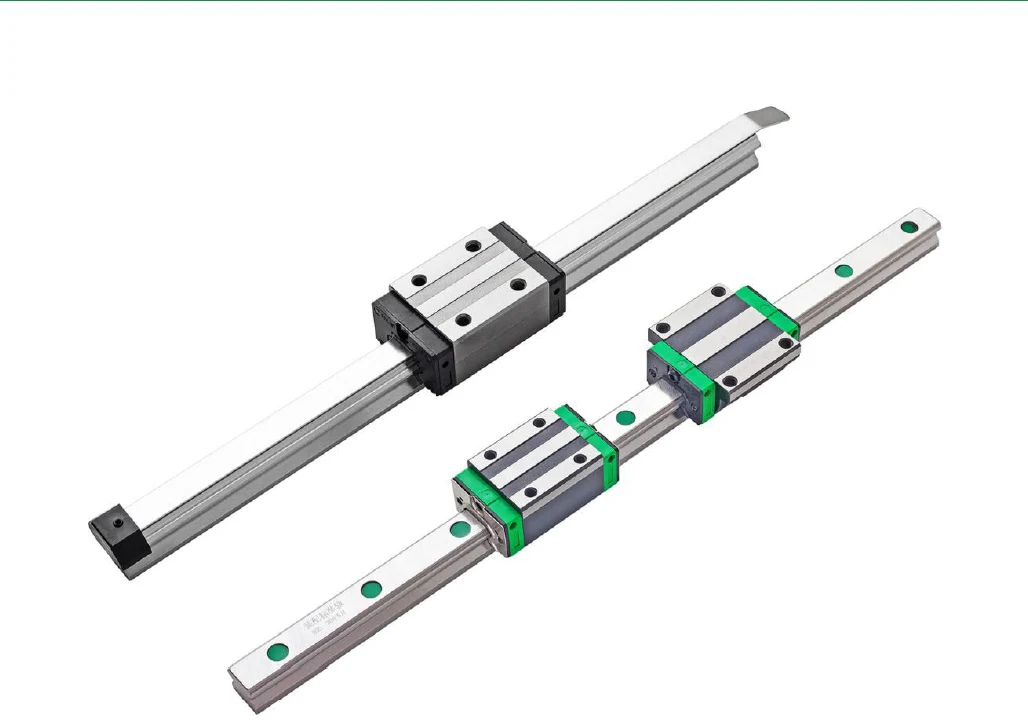
They solve different problems. A stud type track roller follows a mating surface with a rotating outer ring; a linear guideway uses a rail-and-block architecture for constrained linear motion. The choice starts with the mechanism, load path, accuracy need and space envelope.
Read the comparison →