They guide motion in different ways
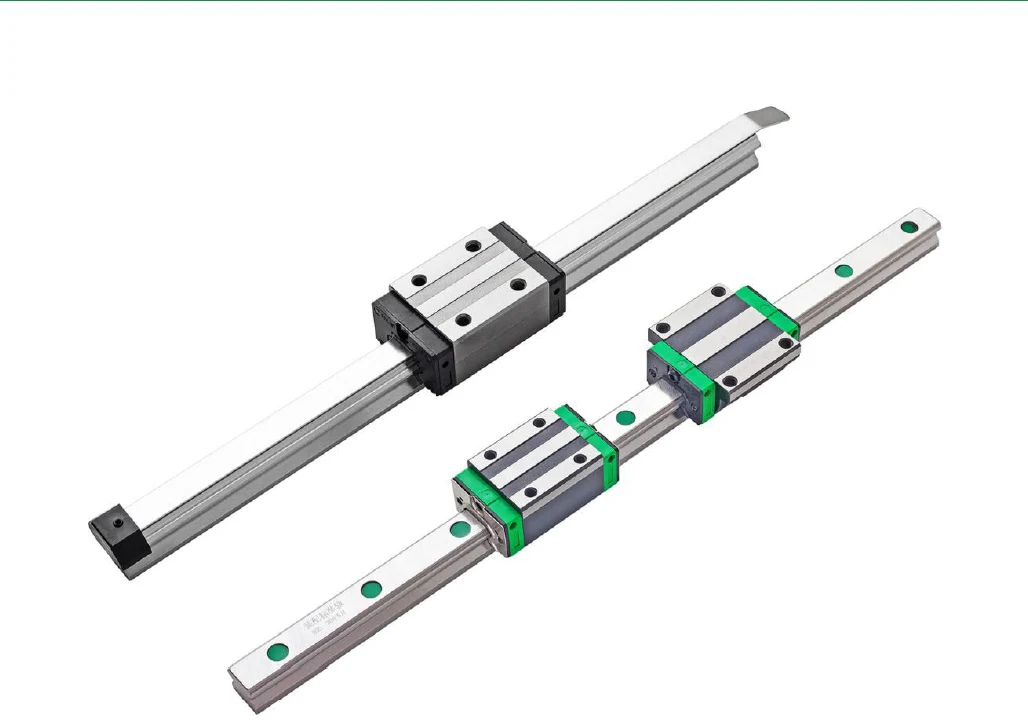
A stud type track roller follows a cam or track with a rotating outer ring. A linear guideway uses a profiled rail and recirculating rolling elements inside a carriage block to constrain linear translation. Both can appear in automation equipment, but they solve different mechanical problems.
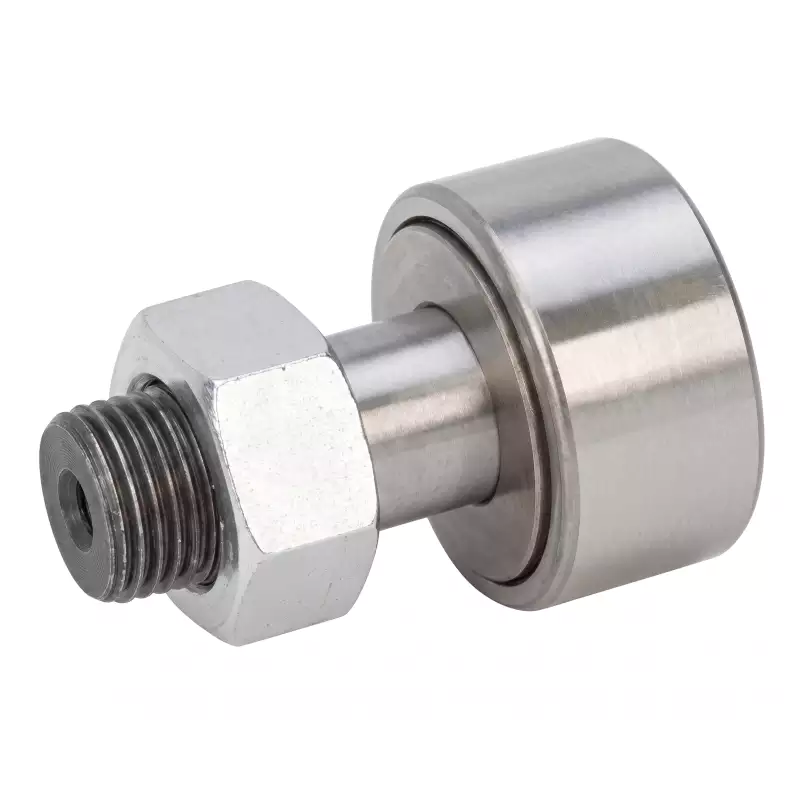
Choose a track roller when the path is defined by a cam or mating surface
Track rollers are attractive for compact cam mechanisms, guide tracks and intermittent or cyclic motion where a stud-mounted follower can run directly on the path. The mating surface becomes part of the bearing system, so track finish, alignment and contact geometry are important.
Choose a linear guideway when the rail must constrain a translating carriage
Linear guideways are designed around a rail-and-block relationship and can provide a well-defined linear axis. For precision positioning, compare the required accuracy, preload, stiffness, moment capacity and installation reference surfaces. Do not select one architecture simply because both products contain rolling elements.