Product Description
Detailed Photos
Product Description
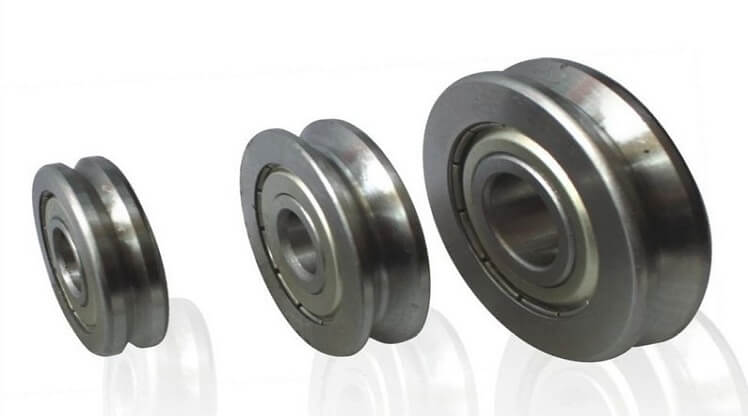
Xihu (West Lake) Dis. roller W1X w1-2rs W1ZZ RM1ZZ bearing
W (RM, VW) CZPT roller series CZPT roller: CZPT roller bearing is W type roller: W (RM) 0, W (RM) 1, W (RM) 2, W (RM) 3, W (RM) 4 , W(RM)0X, W(RM)1X, W(RM)2X, W(RM)3X, W(RM)4X, W(RM)4XL, W4XXL, W(RM)1SSX, W(RM)2SSX , W(RM)3SSX, W(RM)4SSX.
The application of CZPT rollers-the main components in the W (RM) type roller CZPT system are widely used in industrial robots, cutting equipment, moving guides, production lines, etc.
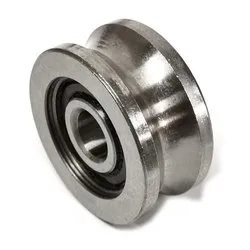
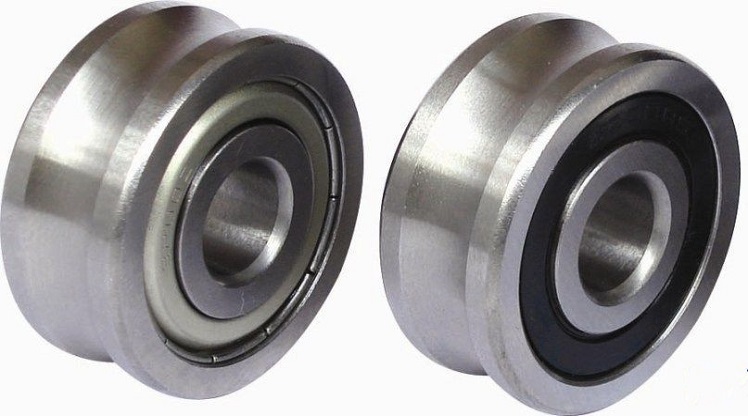
• The outer ring of the CZPT roller bearing is a W-shaped outer surface composed of 2 90-degree V-shaped. The inner or outer side can be used alone to adapt to a 90-degree inner V-shaped or outer V-shaped CZPT rail, or the inner side can be used to adapt to a cylindrical CZPT rail.
• The CZPT roller adopts the internal structure design of double row angular contact ball bearings and the thickened outer ring, which makes the rollers have a higher load-bearing capacity.
•The CZPT roller is made of high-quality bearing steel, processed by heat treatment and precision grinding, and filled with long-life, high-quality, multi-purpose grease. The roller dust-proof adopts metal dust-proof cover or rubber sealing ring (suffix X). Our company can also provide rollers with concentric sleeves and eccentric sleeves, and can also provide rollers made of corrosion-resistant stainless steel.
The guiding system of W(RM) series CZPT rail rollers has the following characteristics:
1. Low resistance, long life, wide application
The working surface of the W(RM) series CZPT rollers has been finely ground, with good roughness and an accurate 90-degree angle. The W-shaped groove of the roller is parallel to the installation plane of the inner ring. When working, the force between the roller and the CZPT rail is stable, and the friction resistance is small.
2. Simple and convenient installation
After the eccentric sleeve and concentric sleeve are configured on the CZPT rail roller, the installation is very convenient. Adjust the eccentricity of the eccentric roller to obtain a proper preload.
Specification as followings :
| Wheels No. | Bore | O.D. | Width | A1 | A2 | Chamfer | Load | Weight | ||
| mm | mm | mm | ||||||||
| D1 | D | B | A1 | A2 | R/min | Cw(KN) | Cow(KN) | g | ||
| W0 | 4 | 14.84 | 6.35 | 5.94 | 9.12 | 0.3 | 1 | 0.5 | 5 | |
| W0X | 4 | 14.84 | 6.35 | 5.94 | 9.12 | 0.3 | 1 | 0.5 | 5 | |
| W1 | 4.763 | 19.56 | 7.87 | 7.9. | 11.86 | 0.3 | 2.2 | 1 | 11 | |
| W1X | 4.763 | 19.56 | 7.87 | 7.93 | 11.86 | 0.3 | 2.2 | 1 | 11 | |
| W2 | 9.525 | 30.73 | 11.1 | 12.7 | 18.24 | 0.3 | 4.9 | 2.5 | 38 | |
| W2X | 9.525 | 30.73 | 11.1 | 12.7 | 18.24 | 0.3 | 4.9 | 2.5 | 38 | |
| W3 | 12 | 45.72 | 15.88 | 19.05 | 26.98 | 0.6 | 9.4 | 4.9 | 130 | |
| W3X | 12 | 45.72 | 15.88 | 19.05 | 26.98 | 0.6 | 9.4 | 4.9 | 130 | |
| W4 | 15 | 59.94 | 19.05 | 25.4 | 34.93 | 1 | 14.8 | 8.2 | 280 | |
| W4X | 15 | 59.94 | 19.05 | 25.4 | 34.93 | 1 | 14.8 | 8.2 | 280 | |
| W4XL | 22 | 75.39 | 25.4 | 31.75 | 44.45 | 1.1 | 20.6 | 14.3 | 580 | |
| W4XXL | 22 | 75.39 | 25.4 | 31.75 | 44.45 | 1.1 | 20.6 | 14.3 | 580 | |
| W1SSX | 4.763 | 19.56 | 7.87 | 7.93 | 11.86 | 0.3 | 2.2 | 1 | 11 | |
| W2SSX | 9.525 | 30.73 | 11.1 | 12.7 | 18.24 | 0.3 | 4.9 | 2.5 | 38 | |
| W3SSX | 12 | 45.72 | 15.88 | 19.05 | 26.98 | 0.6 | 9.4 | 4.9 | 130 | |
| W4SSX | 15 | 59.94 | 19.05 | 25.4 | 34.93 | 1 | 14.8 | 8.2 | 280 | |
use
The precision of the bearing is more careful than the general mechanical parts to install and debug.
1) keep the bearings and their surrounding environment clean, and try to install them in closed or semi-closed conditions;
2) use suitable tools and methods (heating) to install the bearing to avoid the brutal percussion, which will cause a strong impact on the bearing and destroy the internal channel;
3) keep the bearings well lubricated and use proper lubricant;
4) pay attention to bearing rust protection, avoid using in damp places, and wear gloves when installing and disassembling;
5) to formulate daily operation specifications for bearing;
6) in case of high temperature, high speed and other special conditions, please communicate with our company in advance, and we will make appropriate adjustments to the products to meet the requirements.
safekeeping
The bearings are coated with anti-rust oil and anti-rust paper in the factory. As long as the packaging is not damaged, the quality of the bearing will be guaranteed.
But long stored in humidity below 65%, the temperature is 20 ºC about conditions, the shelf in 30 cm above the ground is advisable.
In addition, the storage area should avoid direct sunlight or contact with the cold wall.
Packaging:
1.Neutral Package:Plastic Bag + Carton + Pallet;
2.Commercial Package:Plastic Bag + Box + Carton + Pallet;
3.As the clients’ requirement.
Delivery:
1.Less than 1000 pcs , we will send by express.( Door to Door, Convenient ),
Or by air transport.( Fastest and safest, but expensive )
2.More than 1000pcs , we will send by sea.( Cheapest, safe )
Payment:
1.Less than 1000 pcs , 100% T/T, Western Union in advance.
2.Between 1000-10000pcs, TT, Western Union, MoneyGram.
3.More than 10000pcs , TT, L/C ,Western Union, MoneyGram.
/* March 10, 2571 17:59:20 */!function(){function s(e,r){var a,o={};try{e&&e.split(“,”).forEach(function(e,t){e&&(a=e.match(/(.*?):(.*)$/))&&1
| Contact Angle: | 25° |
|---|---|
| Aligning: | Non-Aligning Bearing |
| Separated: | Unseparated |
| Customization: |
Available
| Customized Request |
|---|
.shipping-cost-tm .tm-status-off{background: none;padding:0;color: #1470cc}
|
Shipping Cost:
Estimated freight per unit. |
about shipping cost and estimated delivery time. |
|---|
| Payment Method: |
|
|---|---|
|
Initial Payment Full Payment |
| Currency: | US$ |
|---|
| Return&refunds: | You can apply for a refund up to 30 days after receipt of the products. |
|---|
Can you explain the maintenance and lubrication requirements for track bearings?
Maintenance and lubrication are essential aspects of ensuring the optimal performance and longevity of track bearings. Proper maintenance practices and appropriate lubrication help minimize wear, reduce friction, prevent corrosion, and extend the service life of the bearings. Here’s an explanation of the maintenance and lubrication requirements for track bearings:
Maintenance Requirements:
- Cleanliness: It is crucial to maintain a clean operating environment for track bearings. Regularly remove dirt, dust, and debris from the track and bearing surfaces to prevent contamination, which can lead to premature wear and damage.
- Inspection: Periodically inspect the track bearings for signs of wear, damage, or misalignment. Check for excessive play, noise, or roughness during operation. If any issues are detected, take appropriate measures such as bearing replacement or realignment to ensure optimal performance.
- Tightening and Fasteners: Check the tightness of fasteners, such as bolts or screws, that secure the track bearings. Loose fasteners can lead to misalignment or instability. Ensure that all fasteners are properly tightened according to the manufacturer’s specifications.
- Track Alignment: Proper track alignment is crucial for smooth and efficient operation of track bearings. Regularly check the alignment of the track or guide rails and make necessary adjustments to maintain proper alignment, minimizing excessive loads and wear on the bearings.
- Load Limits: Adhere to the specified load limits for the track bearings. Exceeding the recommended load capacity can cause premature wear and failure. Consider the dynamic and static load ratings of the bearings to ensure they are not subjected to excessive loads that can compromise their performance.
Lubrication Requirements:
- Proper Lubricant Selection: Select the appropriate lubricant based on the operating conditions, such as temperature, load, and speed. Consult the manufacturer’s recommendations or seek expert advice to ensure the lubricant’s compatibility with the track bearings and the specific application.
- Regular Lubrication: Follow a regular lubrication schedule as recommended by the manufacturer. This may involve applying lubricant at specified intervals or based on the operating hours. Adequate lubrication helps minimize friction, reduce wear, and maintain proper functioning of the track bearings.
- Correct Lubrication Method: Apply the lubricant using the appropriate method, whether it’s manual greasing, automatic lubrication systems, or specialized lubrication techniques. Ensure that the lubricant reaches all necessary contact points and provides sufficient coverage to the bearing surfaces.
- Monitoring and Replenishment: Monitor the lubricant levels regularly and replenish as needed. In some cases, track bearings may have built-in lubrication systems that require periodic refilling or maintenance. Keep track of the lubricant condition and replace it when it becomes contaminated or degraded.
- Environmental Considerations: Consider the operating environment when selecting the lubricant. Extreme temperatures, exposure to moisture, or the presence of chemicals or contaminants may require special lubricants that can withstand these conditions and provide effective protection and lubrication.
It is important to consult the manufacturer’s guidelines and recommendations specific to the track bearings being used. Following the recommended maintenance and lubrication practices ensures optimal performance, reduces the risk of premature failure, and maximizes the overall lifespan of the track bearings.
What innovations or advancements have been made in track bearing technology?
Track bearing technology has seen several innovations and advancements over the years, driven by the need for improved performance, increased reliability, and enhanced functionality. Here are some notable innovations in track bearing technology:
- Advanced Materials: The development of new materials has significantly improved the performance and longevity of track bearings. Materials such as ceramic, hybrid ceramics, and high-performance steels offer enhanced strength, corrosion resistance, and temperature stability, making them suitable for demanding applications.
- Improved Sealing Solutions: Sealing technology has advanced to provide better protection against contaminants, moisture, and other environmental factors. Innovative seal designs and materials, including labyrinth seals, triple lip seals, and specialized coatings, help keep track bearings clean and extend their service life.
- Enhanced Lubrication: Lubrication plays a crucial role in the performance and lifespan of track bearings. Advancements in lubrication technology, such as the development of high-performance greases and solid lubricants, have improved the efficiency, reliability, and maintenance requirements of track bearings.
- Integrated Sensor Systems: Track bearings can now incorporate integrated sensor systems to monitor various parameters such as temperature, vibration, and load. These sensors provide real-time data on bearing health and performance, enabling predictive maintenance strategies and early detection of potential issues.
- Smart Bearing Technology: Smart bearing technology combines sensor systems with advanced data analytics and connectivity capabilities. These bearings can communicate wirelessly with monitoring systems, enabling remote monitoring, condition-based maintenance, and optimization of operational parameters for improved performance and efficiency.
- Design Optimization: Computer-aided design (CAD) and finite element analysis (FEA) tools have revolutionized the design process for track bearings. These tools allow for precise modeling, simulation, and optimization of bearing geometries, materials, and load capacities, resulting in improved performance, reduced weight, and enhanced reliability.
- Application-Specific Customization: With advancements in manufacturing processes, track bearings can now be customized to meet the specific requirements of different applications. Manufacturers can tailor bearing designs, materials, and coatings to optimize performance, reliability, and compatibility with unique operating conditions.
These innovations and advancements in track bearing technology have collectively contributed to improved performance, extended service life, and enhanced functionality in a wide range of industries and applications. They continue to drive progress in the field, enabling track bearings to meet the evolving demands of modern industrial systems.
How do track bearings contribute to smooth and precise motion in machinery and equipment?
Track bearings play a crucial role in enabling smooth and precise motion in machinery and equipment. They provide support and guidance for moving components, allowing them to move along tracks or guide rails with minimal friction and accurate positioning. Let’s explore how track bearings contribute to smooth and precise motion:
- Reduced Friction: Track bearings are designed to minimize friction between the rolling elements (such as balls or rollers) and the raceways (inner and outer rings). By reducing friction, track bearings help to minimize energy losses, prevent excessive heat generation, and extend the lifespan of the bearing and other components in the system. Low friction enables smoother and more efficient motion, resulting in improved overall performance.
- Accuracy and Precision: Track bearings are manufactured to precise tolerances, ensuring consistent dimensions and smooth surfaces. This precision contributes to accurate and repeatable positioning of the moving components along the track or guide rail. It allows machinery and equipment to achieve the desired motion with minimal deviation or backlash, enabling precise control and operation.
- Load Distribution: Track bearings are designed to distribute loads evenly across the rolling elements and raceways. This load distribution helps prevent localized stress concentrations and ensures that the applied loads are shared by multiple contact points. By distributing the loads effectively, track bearings enhance the stability and integrity of the moving components, reducing the risk of premature wear or failure.
- Guidance and Alignment: Track bearings provide guidance and alignment for the moving components. They help maintain the desired orientation and position of the components along the track or guide rail, preventing misalignment and unwanted movements. This guidance ensures smooth and precise motion, minimizing vibrations, noise, and the risk of component damage or malfunction.
- Shock and Impact Absorption: Track bearings are designed to absorb shocks and impacts that may occur during operation. They help cushion the effects of sudden loads or vibrations, protecting the moving components and reducing the transmission of these forces to the rest of the machinery or equipment. This shock absorption capability contributes to smoother and more stable motion, enhancing overall performance and reliability.
By incorporating high-quality track bearings into machinery and equipment, engineers can achieve smooth and precise motion, improving the efficiency, accuracy, and longevity of the system. Proper selection, installation, and maintenance of track bearings are essential to ensure optimal performance and to minimize the risk of issues such as excessive wear, misalignment, or loss of motion control.


editor by CX 2024-02-24