Product Description
Following Items we supply as long time :
LFR50/5-6 2RS ,LFR50/8-6 2RS LFR5302-10 2RS
| LFR50/4NPP LFR50/5-4KDD R50/5-4ZZ LFR50/5-4NPP R50/5-4 2RS LFR50/5KDD R50/5-6ZZ |
| LFR50/5NPP R50/5-6 2RS LFR50/8KDD R50/8-6ZZ LFR50/8NPP R50/8-6 2RS LFR5201KDD R201-10ZZ LFR5201NPP R201-10 2RS LFR5202NPP R202-12 2RS LFR5301KDD R301-10ZZ LFR5301NPP R301-10 2RS LFR5302KDD R302-10ZZ LFR5302NPP R302-10 2RS LFR5201-12KDD R5201-12ZZ LFR5201-12NPP R5201-12 2RS LFR5201-14KDD R5201-14ZZ LFR5201-14NPP R5201-14 2RS LFR5204-16KDD R5204-16ZZ LFR5204-16NPP R5204-16 2RS |
| Bearing No. | Weight | Dimensions (mm) | Basic Load | ||||||||||
| Bearing No. | Bearing No.(A) | Bearing No.(B) | ≈(g) | dw | d | D | C | B | A | rs | Cw(KN) | Cow(KN) | Fr perm(KN) |
| LFR 50/4 NPP | – | – | 3.5 | 5 | 4 | 13 | 6 | 7 | 8.04 | 0.2 | 1.05 | 0.85 | 1.15 |
| LFR 50/5-4 KDD | LFR50/5KDD-4 | R 50/5-4 ZZ | 7.5 | 4 | 5 | 16 | 7 | 8 | 9 | 0.2 | 1.2 | 0.86 | 1.3 |
| LFR 50/5-4 NPP | LFR50/5NPP-4 | R 50/5-4 2RS | 7.5 | 4 | 5 | 16 | 7 | 8 | 9 | 0.2 | 1.2 | 0.86 | 1.3 |
| LFR 50/5 KDD | LFR50/5KDD | R 50/5-6 ZZ | 8 | 6 | 5 | 17 | 7 | 8 | 10.5 | 0.2 | 1.27 | 0.82 | 1.3 |
| LFR 50/5 NPP | LFR50/5NPP | R 50/5-6 2RS | 8 | 6 | 5 | 17 | 7 | 8 | 10.5 | 0.2 | 1.27 | 0.82 | 1.3 |
| LFR 50/8 KDD | LFR50/8KDD | R 50/8-6 ZZ | 24 | 6 | 8 | 24 | 11 | 11 | 14 | 0.3 | 3.67 | 2.28 | 1.3 |
| LFR 50/8 NPP | LFR50/8NPP | R 50/8-6 2RS | 24 | 6 | 8 | 24 | 11 | 11 | 14 | 0.3 | 3.67 | 2.28 | 1.3 |
| LFR 50/8-8 KDD | 24 | 8 | 8 | 24 | 11 | 11 | 14.75 | 0.3 | 3.67 | 2.28 | 1.3 | ||
| LFR 50/8-8 NPP | 24 | 8 | 8 | 24 | 11 | 11 | 14.75 | 0.3 | 3.67 | 2.28 | 1.3 | ||
| LFR 30/8 KDD | 31 | 10 | 8 | 26.8 | 11 | 13 | 16.7 | 0.3 | 3.67 | 2.28 | 1.3 | ||
| LFR 30/8 NPP | 31 | 10 | 8 | 26.8 | 11 | 13 | 16.7 | 0.3 | 3.67 | 2.28 | 1.3 | ||
| LFR 5201 KDD | LFR5201KDD | R 5201-10 ZZ | 68 | 10 | 12 | 35 | 15.9 | 15.9 | 20.65 | 0.3 | 8.5 | 5.1 | 5.1 |
| LFR 5201 NPP | LFR5201NPP | R 5201-10 2RS | 68 | 10 | 12 | 35 | 15.9 | 15.9 | 20.65 | 0.3 | 8.5 | 5.1 | 5.1 |
| LFR 5301 KDD | LFR5301KDD | R 5301-10 ZZ | 130 | 10 | 12 | 42 | 19 | 19 | 24 | 0.6 | 13 | 7.7 | 7.5 |
| LFR 5301 NPP | LFR5301NPP | R 5301-10 2RS | 130 | 10 | 12 | 42 | 19 | 19 | 24 | 0.6 | 13 | 7.7 | 7.5 |
| LFR 5301-20 KDD | 125 | 20 | 12 | 42 | 19 | 19 | 28 | 0.6 | 13 | 7.7 | 7.5 | ||
| LFR 5301-20 NPP | 125 | 20 | 12 | 42 | 19 | 19 | 28 | 0.6 | 13 | 7.7 | 7.5 | ||
| LFR 5302 KDD | LFR5302KDD | R 5302-10 ZZ | 163 | 10 | 15 | 47 | 19 | 19 | 26.65 | 1 | 16.2 | 9.2 | 6.2 |
| LFR 5302 NPP | LFR5302NPP | R 5302-10 2RS | 163 | 10 | 15 | 47 | 19 | 19 | 26.65 | 1 | 16.2 | 9.2 | 6.2 |
| LFR 5201-12 KDD | LFR5201-12KDD | R 5201-12 ZZ | 68 | 12 | 12 | 35 | 15.9 | 15.9 | 21.75 | 0.3 | 8.4 | 5 | 5.1 |
| LFR 5201-12 NPP | LFR5201-12NPP | R 5201-12 2RS | 68 | 12 | 12 | 35 | 15.9 | 15.9 | 21.75 | 0.3 | 8.4 | 5 | 5.1 |
| LFR 5201-14 KDD | LFR5201-14KDD | R 5201-14 ZZ | 107 | 14 | 12 | 39.9 | 18 | 20 | 24 | 0.3 | 8.9 | 5 | 6.7 |
| LFR 5201-14 NPP | LFR5201-14NPP | R 5201-14 2RS | 107 | 14 | 12 | 39.9 | 18 | 20 | 24 | 0.3 | 8.9 | 5 | 6.7 |
| LFR 5201-10.40 KDD | 115 | 10 | 12 | 39.9 | 18 | 20 | 22 | 0.3 | 8.9 | 5 | 6.7 | ||
| LFR 5201-10.40 NPP | 115 | 10 | 12 | 39.9 | 18 | 20 | 22 | 0.3 | 8.9 | 5 | 6.7 | ||
| LFR 5204-16 KDD* | LFR5204-16KDD | R 5204-16 ZZ | 195 | 16 | 20 | 52 | 20.6 | 22.6 | 31.5 | 0.6 | 16.8 | 9.5 | 12.1 |
| LFR 5204-16 NPP* | LFR5204-16NPP | R 5204-16 2RS | 195 | 16 | 20 | 52 | 20.6 | 22.6 | 31.5 | 0.6 | 16.8 | 9.5 | 12.1 |
| LFR 5206-20 KDD* | LFR5206-20KDD | R 5206-20 ZZ | 435 | 20 | 25 | 72 | 23.8 | 25.8 | 41 | 0.6 | 29.5 | 16.6 | 20.7 |
| LFR 5206-20 NPP* | LFR5206-20NPP | R 5206-20 2RS | 435 | 20 | 25 | 72 | 23.8 | 25.8 | 41 | 0.6 | 29.5 | 16.6 | 20.7 |
| LFR 5206-25 KDD* | LFR5206-25KDD | R 5206-25 ZZ | 425 | 25 | 25 | 72 | 23.8 | 25.8 | 43.5 | 0.6 | 29.2 | 16.4 | 23.1 |
| LFR 5206-25 NPP* | LFR5206-25NPP | R 5206-25 2RS | 425 | 25 | 25 | 72 | 23.8 | 25.8 | 43.5 | 0.6 | 29.2 | 16.4 | 23.1 |
| LFR 5207-30 KDD* | LFR5207-30KDD | R 5207-30 ZZ | 660 | 30 | 30 | 80 | 27 | 29 | 51 | 1 | 38 | 20.8 | 21.4 |
| LFR 5207-30 NPP* | LFR5207-30NPP | R 5207-30 2RS | 660 | 30 | 30 | 80 | 27 | 29 | 51 | 1 | 38 | 20.8 | 21.4 |
| LFR 5208-40 KDD* | LFR5208-40KDD | R 5208-40 ZZ | 1360 | 40 | 40 | 98 | 36 | 38 | 62.5 | 1 | 54.8 | 29 | 55 |
| LFR 5208-40 NPP* | LFR5208-40NPP | R 5208-40 2RS | 1360 | 40 | 40 | 98 | 36 | 38 | 62.5 | 1 | 54.8 | 29 | 55 |
| LFR 5308-50 KDD* | LFR5308-50KDD | R 5308-50 ZZ | 1400 | 50 | 40 | 110 | 44 | 46 | 72.5 | 1.1 | 53 | 39.5 | 69 |
| LFR 5308-50 NPP* | LFR5308-50NPP | R 5308-50 2RS | 1400 | 50 | 40 | 110 | 44 | 46 | 72.5 | 1.1 | |||
Xihu (West Lake) Dis. rollers with a circular groove – LFR Series
1. LFR Series linear CZPT rail wheel rollers most widely used, economical and practical products that can fit in the cylindrical guide.
2. contacting wheel and rail for two-point contact, having good contact performance.
3. Roller double row angular contact ball bearing design and thickening of the internal structure of the outer ring, the wheel has a higher carrying capacity.
4. The roller bearing steel with high-quality manufacturing, heat treatment, precision grinding machining, and are filled with long-life high-quality multi-purpose grease. Wheel dust metal dust cover (ZZ) or rubber seals (2RS). Can also provide the wheel with concentric or eccentric pivot, some specifications are also corrosion-resistant stainless steel roller.
application of LFR series roller CZPT roller rail systems have the following characteristics:
1. The high-speed, low resistance, long life
The outer surface of the CZPT roller LFR series designed to Gothic shape, the roller work, wheel and rail forms an angle of 60 degrees for the two-point contact, friction resistance, load evenly to avoid the roller because the installation work and stress concentration caused by a manufacturing error, boundary effect, so that the rail system has a high-speed, low-power, long-life operating characteristics.
2. Easy to install
After the wheel and concentric or eccentric shaft axis, so installation is very easy to adjust the amount of eccentricity of the eccentric rollers can get the fitting preload.
3. smooth running, low error, low noise operation
Dedicated processing equipment and testing equipment to ensure the accuracy of the shape of the wheel, mature processing technology and strict quality control procedure to make all of the rollers and the outer radial surface roundness good work, so that the rail system at run-time error pole small, smooth operation, low noise operation.
Packaging:
1. Neutral Package: Plastic Bag + Carton + Pallet;
2. Commercial Package: Plastic Bag + Box + Carton + Pallet;
3. As the clients’ requirement.
Delivery:
1. Less than 1000 pcs , we will send by express. ( Door to Door, Convenient ),
or by air transport. ( Fastest and safest, but expensive )
2. More than 1000pcs , we will send by sea. ( Cheapest, safe )
Payment:
1. Less than 1000 pcs , 100% T/T, Western Union in advance.
2. Between 1000-10000pcs, TT, Western Union, MoneyGram.
3. More than 10000pcs , TT, L/C ,Western Union, MoneyGram.
/* January 22, 2571 19:08:37 */!function(){function s(e,r){var a,o={};try{e&&e.split(“,”).forEach(function(e,t){e&&(a=e.match(/(.*?):(.*)$/))&&1
| Contact Angle: | 0 |
|---|---|
| Aligning: | Non-Aligning Bearing |
| Separated: | Unseparated |
| Samples: |
US$ 0/Piece
1 Piece(Min.Order) | Order Sample |
|---|
| Customization: |
Available
| Customized Request |
|---|
.shipping-cost-tm .tm-status-off{background: none;padding:0;color: #1470cc}
| Shipping Cost:
Estimated freight per unit. |
about shipping cost and estimated delivery time. |
|---|
| Payment Method: |
|
|---|---|
|
Initial Payment Full Payment |
| Currency: | US$ |
|---|
| Return&refunds: | You can apply for a refund up to 30 days after receipt of the products. |
|---|
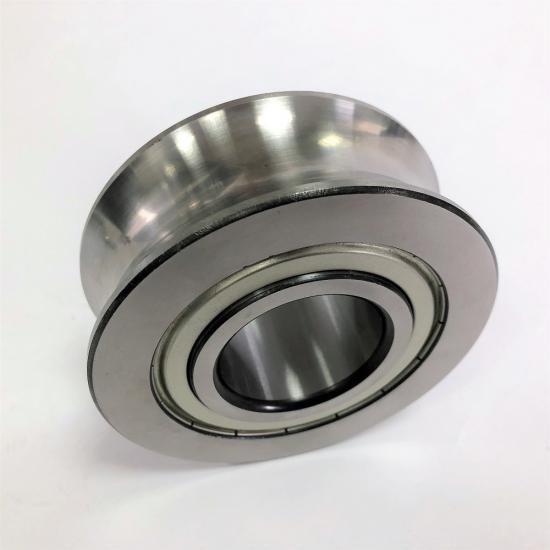
Can track bearings be customized or modified for specific track or linear motion applications?
Yes, track bearings can be customized or modified to meet specific requirements of track or linear motion applications. Manufacturers often offer a range of options and capabilities to tailor track bearings to the unique needs of different industries and applications. Here are some ways in which track bearings can be customized or modified:
- Size and Dimensional Variations: Track bearings can be customized in terms of size, diameter, width, and overall dimensions to fit specific track or linear motion systems. Manufacturers can provide bearings with varying sizes and load capacities to accommodate different application requirements.
- Material Selection: Track bearings can be manufactured from various materials depending on the specific application’s demands. Common materials include steel, stainless steel, ceramic, and polymer composites. Material selection can be customized to achieve desired properties such as corrosion resistance, high temperature tolerance, or low friction.
- Sealing and Protection: In applications where track bearings are exposed to contaminants, moisture, or harsh environments, customized sealing and protection features can be added. These may include additional seals, shields, or coatings to enhance the bearing’s resistance to dust, water, chemicals, or extreme temperatures.
- Lubrication Options: While self-lubricating or maintenance-free track bearings offer convenience, applications with specific lubrication requirements may benefit from customized lubrication options. Manufacturers can modify the bearing design to accommodate external lubrication systems or provide alternative lubrication methods to meet the unique demands of the application.
- Specialized Load and Speed Ratings: In certain applications, track bearings may need to handle exceptionally high loads or operate at high speeds. Manufacturers can customize the bearing design to offer specialized load and speed ratings to ensure optimal performance and reliability in such demanding conditions.
- Mounting and Attachment Options: Track bearings can be customized with different mounting and attachment options to facilitate easy installation and integration into specific track or linear motion systems. This may include variations in bolt hole patterns, flange designs, or specialized mounting arrangements.
- Track Geometry Compatibility: Track bearings can be designed or modified to match specific track or guide rail geometries. This ensures proper fit, alignment, and smooth operation along the designated track, minimizing the risk of misalignment or issues related to track compatibility.
It is important to work closely with bearing manufacturers or suppliers to discuss the specific requirements of the track or linear motion application. By collaborating with experts, it is possible to customize or modify track bearings to optimize performance, reliability, and longevity in a wide range of applications.
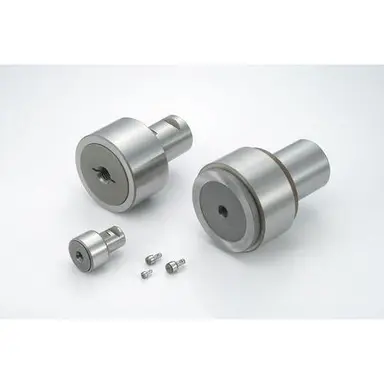
Can track bearings withstand harsh environments or exposure to contaminants?
Track bearings are designed to operate in a wide range of environments, including harsh conditions and exposure to contaminants. However, the ability of track bearings to withstand such environments depends on their specific design, materials, and protective measures. Here’s a detailed explanation:
Many track bearings are engineered with features that enhance their resistance to harsh environments and contaminants. These features may include:
- Sealing and Shielding: Some track bearings are equipped with seals or shields that provide a physical barrier against contaminants such as dirt, dust, water, and debris. These seals or shields help prevent the entry of contaminants into the bearing’s internal components, reducing the risk of damage and premature wear.
- Corrosion Resistance: Track bearings intended for use in corrosive environments are often constructed from materials that offer high corrosion resistance. Stainless steel, for example, is commonly used due to its ability to withstand exposure to moisture, chemicals, and other corrosive substances.
- Specialized Coatings: Some track bearings may feature specialized coatings or surface treatments that provide additional protection against contaminants and harsh conditions. These coatings can enhance the bearing’s resistance to corrosion, abrasion, and chemical exposure.
- High-Temperature Capability: Certain track bearings are designed to withstand high-temperature environments. They are typically constructed using heat-resistant materials and lubricants that can maintain their structural integrity and performance even under extreme heat.
- Environmental Sealing: In applications where track bearings are exposed to extreme conditions, such as underwater or in highly dusty environments, special environmental sealing measures may be employed. These measures can include the use of advanced sealing technologies or the encapsulation of the bearings within protective housings.
While track bearings are designed to withstand harsh environments and exposure to contaminants, it is important to note that their performance and longevity can still be affected over time. Regular maintenance, including cleaning, inspection, and lubrication, is crucial to ensure proper functioning and to mitigate the impact of contaminants on the bearings.
It is recommended to consult the manufacturer’s specifications and guidelines for the track bearings being used in a specific application. Manufacturers often provide information on the environmental ratings and limits of their bearings, helping users determine the suitability of the bearings for particular harsh environments or exposure to contaminants.
By selecting track bearings with appropriate features, materials, and protection, and by implementing proper maintenance practices, it is possible to enhance the bearings’ ability to withstand harsh environments and exposure to contaminants, thereby maximizing their performance and longevity.
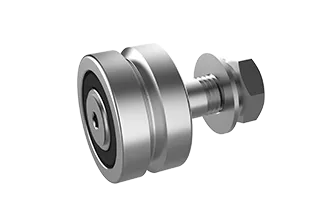
How do track bearings compare to other types of bearings like ball bearings or roller bearings?
Track bearings, ball bearings, and roller bearings are all types of rolling bearings used in various applications. Let’s compare track bearings to ball bearings and roller bearings to understand their similarities and differences:
- Design and Construction: Track bearings, ball bearings, and roller bearings have different designs and constructions. Track bearings, also known as track rollers or track follower bearings, are designed specifically for guided linear or rotational motion along a track or guide rail. They feature an outer ring with a track surface, an inner ring, rolling elements (such as rollers or needles), and a cage. Ball bearings, on the other hand, have spherical rolling elements (balls) sandwiched between inner and outer rings. Roller bearings, as the name suggests, have cylindrical or tapered rolling elements (rollers) between inner and outer rings.
- Motion and Load Handling: Track bearings are primarily used for guided motion in track-based systems, while ball bearings and roller bearings are used for general rotational or linear motion. Track bearings are designed to support both radial and axial loads and provide smooth and controlled motion along the track. Ball bearings and roller bearings are also capable of supporting radial and axial loads but are typically used in applications where the motion is not constrained to a specific track or guide rail. Roller bearings, with their larger contact area and higher load-carrying capacity, are often preferred for applications with higher loads.
- Applications: Track bearings are commonly used in applications such as material handling systems, conveyors, cam mechanisms, automated machinery, construction equipment, and agricultural machinery, where guided motion along a track or rail is required. Ball bearings and roller bearings find applications in a wide range of industries and systems, including electric motors, pumps, automotive applications, industrial machinery, and appliances.
- Friction and Efficiency: Track bearings, ball bearings, and roller bearings all aim to minimize friction and ensure efficient operation. However, due to their different designs and contact surfaces, they exhibit varying levels of friction. Ball bearings typically have lower friction due to point contact between the balls and the raceways. Roller bearings, especially tapered roller bearings, distribute the load over a larger contact area, resulting in slightly higher friction compared to ball bearings. Track bearings, with their track interface, may have slightly higher friction compared to ball bearings or roller bearings due to the rolling elements’ contact with the track surface.
- Installation and Maintenance: Track bearings, ball bearings, and roller bearings require proper installation and maintenance for optimal performance and longevity. However, track bearings may require additional attention during installation as they need to be properly aligned with the track or guide rail. Regular lubrication and periodic inspection are essential for all types of bearings to ensure smooth operation and prevent premature failure.
In summary, track bearings, ball bearings, and roller bearings have distinct designs and applications. Track bearings are specialized for guided motion along a track or rail, while ball bearings and roller bearings are more versatile and used in a wide range of rotational or linear motion applications. Each type of bearing has its advantages and considerations in terms of load handling, friction, efficiency, and installation requirements. Selecting the appropriate bearing type depends on the specific application requirements, load conditions, motion characteristics, and environmental factors.


editor by CX 2024-03-28