Product Description
I PRODUCT INFO.
NSK KOYO High Quality Drawn Cup Needle Roller Bearing HK/Nukr/Pwkr/Ccfh/Nast/Nutr/Na Series Roller Bearing for Machine Parts
II. Packing & Delivery
Packing Details:
1. Tube+carton+pallet: eg.10 pcs bearings are packed in a tube.30 tubes are put into a carton. It is usually for small bearings..
2. paper box+carton+pallet: every bearing is packed in a paper box, then put in a carton.It is usually for small or middle bearings.
3. Wooden packing:every bearing is packed into a wooden case.It is usually for big bearing
4. according to your requirement
Delivery Details : 5-15Days
Needle Roller Bearings Available from HQA Bearings
- SCE and SCE-PP Series – Drawn cup needle roller bearing, Open ends for through shafts, cage guided, with/without seals, Inch dimensional
- HK, and HK-RS Series – Drawn cup needle roller bearing, Open ends for through shafts, cage guided, with/without seals, Metric dimensional
- BCE and BCE-P Series – Drawn cup needle roller bearing, One end closed for shaft ends, cage guided, with/without seals, Inch dimensional
- BK, and BK-RS Series – Drawn cup needle roller bearing, One end closed for shaft ends, cage guided, with/without seals, Metric dimensional
VI. OUR MAIN PRODUCTS
Our products cover deep groove ball bearing, tapered roller bearing, cylindrical roller bearing, spherical roller bearing, pillow block bearing, angular contact ball bearing, self-aligning ball bearing, thrust ball bearing, thrust roller bearing, needle roller bearing, spherical plain bearing and so on, large, super large and non-standard bearings. In addition to the above, we offer customized high-tech bearings for free design according to drawings and samples from the clients’ side.
V. Our team
Teamwork contributes to the prosperity of the companies. With all workmates’ knowledge combined, the companies possess high work efficiency and an ability to deal with whatever problems. As a result, the companies can make more profits and develop more quickly.
In sum, teamwork is very important, no 1 could live individually, they must rely on others in some way. Hence, work together could make life easier.
Product Description
|
Size(ID*OD*B) |
30*47*17mm |
|
Bearing Type |
Single row Needle Roller |
|
Seal |
Open |
|
Bearing Material |
Chrome Steel GCr15/Stainless Steel |
|
Precision rating |
P0(P6 P5) |
|
Vibration level |
V1(V2 V3) |
|
Noise level |
Z2(Z3 Z4) |
Detailed Photos
Product Application
Company Profile
Packaging & Shipping
II.PACKAGING & SHIPPING
1) Inner Plastic Bag+ Paper Box + Carton(+Pallet);
2) Small sizes:Plastic Tube + Carton
3) Big sizes:Wooden Case
1)Less than 45 KGS, we will send by express. (Door to Door, Convenient)
2)Between 45 – 200 KGS, we will send by air transport. (Fastest and safest, but ?expensive )
3)More than 200 KGS, we will send by sea. (Cheapest and usual)
FAQ
Q: Are you trading company or manufacturer ?
A: We are factory.We have our own brand:.If you interested in our product,I can take you to visit our factory.
Q: How long is your delivery time?
A: Generally it is 5-10 days if the goods are in stock. or it is 15-20 days if the goods are not in stock, it is according to quantity.
Q: Where is your factory located? How can I visit there?
A: Our factory is located in ZheJiang Province,You can take the high-speed rail or plane to visit.
Q: Do you provide samples ? it is free charge?
A: Yes, we could offer the sample for free charge but do not pay the cost of freight.
Q:The MOQ is how much?
A: About ordinary standard type of bearing ,We have rich inventory,not have MOQ,if your need a
product is Non-standard size,need customize,we will according the product size to determine the MOQ.
/* January 22, 2571 19:08:37 */!function(){function s(e,r){var a,o={};try{e&&e.split(“,”).forEach(function(e,t){e&&(a=e.match(/(.*?):(.*)$/))&&1
| Cage: | Without Cage |
|---|---|
| Rows Number: | Single |
| Load Direction: | Radial Bearing |
| Style: | With Inner Ring |
| Material: | Bearing Steel |
| Type: | Open |
| Samples: |
US$ 0.01/Set
1 Set(Min.Order) | |
|---|
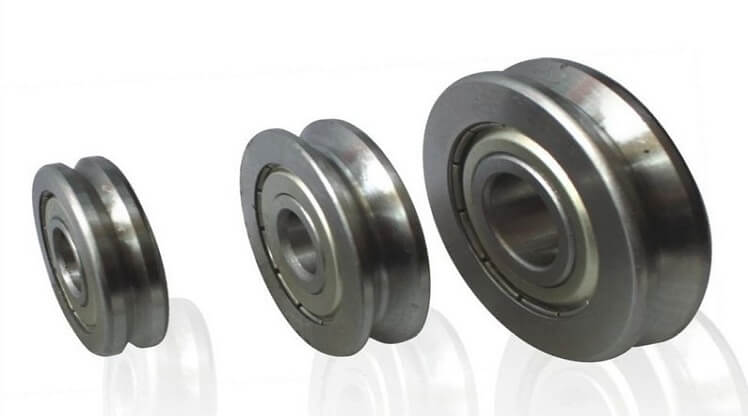
Can you explain the maintenance and lubrication requirements for track bearings?
Maintenance and lubrication are essential aspects of ensuring the optimal performance and longevity of track bearings. Proper maintenance practices and appropriate lubrication help minimize wear, reduce friction, prevent corrosion, and extend the service life of the bearings. Here’s an explanation of the maintenance and lubrication requirements for track bearings:
Maintenance Requirements:
- Cleanliness: It is crucial to maintain a clean operating environment for track bearings. Regularly remove dirt, dust, and debris from the track and bearing surfaces to prevent contamination, which can lead to premature wear and damage.
- Inspection: Periodically inspect the track bearings for signs of wear, damage, or misalignment. Check for excessive play, noise, or roughness during operation. If any issues are detected, take appropriate measures such as bearing replacement or realignment to ensure optimal performance.
- Tightening and Fasteners: Check the tightness of fasteners, such as bolts or screws, that secure the track bearings. Loose fasteners can lead to misalignment or instability. Ensure that all fasteners are properly tightened according to the manufacturer’s specifications.
- Track Alignment: Proper track alignment is crucial for smooth and efficient operation of track bearings. Regularly check the alignment of the track or guide rails and make necessary adjustments to maintain proper alignment, minimizing excessive loads and wear on the bearings.
- Load Limits: Adhere to the specified load limits for the track bearings. Exceeding the recommended load capacity can cause premature wear and failure. Consider the dynamic and static load ratings of the bearings to ensure they are not subjected to excessive loads that can compromise their performance.
Lubrication Requirements:
- Proper Lubricant Selection: Select the appropriate lubricant based on the operating conditions, such as temperature, load, and speed. Consult the manufacturer’s recommendations or seek expert advice to ensure the lubricant’s compatibility with the track bearings and the specific application.
- Regular Lubrication: Follow a regular lubrication schedule as recommended by the manufacturer. This may involve applying lubricant at specified intervals or based on the operating hours. Adequate lubrication helps minimize friction, reduce wear, and maintain proper functioning of the track bearings.
- Correct Lubrication Method: Apply the lubricant using the appropriate method, whether it’s manual greasing, automatic lubrication systems, or specialized lubrication techniques. Ensure that the lubricant reaches all necessary contact points and provides sufficient coverage to the bearing surfaces.
- Monitoring and Replenishment: Monitor the lubricant levels regularly and replenish as needed. In some cases, track bearings may have built-in lubrication systems that require periodic refilling or maintenance. Keep track of the lubricant condition and replace it when it becomes contaminated or degraded.
- Environmental Considerations: Consider the operating environment when selecting the lubricant. Extreme temperatures, exposure to moisture, or the presence of chemicals or contaminants may require special lubricants that can withstand these conditions and provide effective protection and lubrication.
It is important to consult the manufacturer’s guidelines and recommendations specific to the track bearings being used. Following the recommended maintenance and lubrication practices ensures optimal performance, reduces the risk of premature failure, and maximizes the overall lifespan of the track bearings.
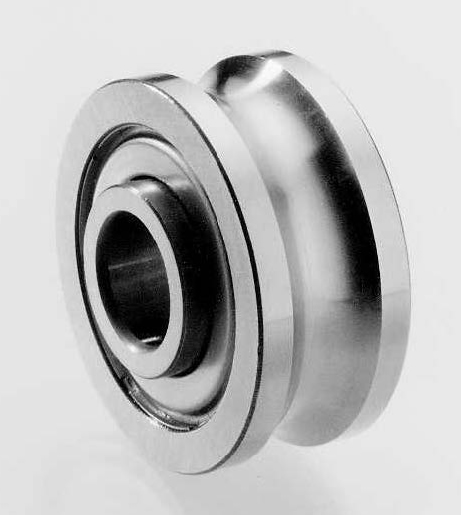
Are there potential challenges or limitations in using track bearings in specific industries?
While track bearings are widely used in various industries for their ability to support linear motion and handle heavy loads, there can be potential challenges and limitations associated with their use in specific industries. Here’s a detailed explanation:
1. Contamination and Harsh Environments:
Industries such as mining, construction, and agriculture often operate in harsh environments with high levels of contamination, including dust, dirt, and moisture. These contaminants can enter the track bearings and cause accelerated wear, reduced performance, and potential failure. Regular maintenance and appropriate sealing measures are required to mitigate these challenges.
2. High-Temperature Environments:
In industries like metal processing, glass manufacturing, and foundries, track bearings may be exposed to high temperatures. Excessive heat can affect the lubrication properties and structural integrity of bearings, leading to premature failure. Selecting track bearings specifically designed for high-temperature applications and using suitable lubricants are necessary to overcome this limitation.
3. Corrosive Chemicals:
Industries such as chemical processing, food and beverage, and wastewater treatment involve exposure to corrosive chemicals. Corrosion can significantly affect the performance and lifespan of track bearings. Choosing bearings made from corrosion-resistant materials or applying protective coatings can help address this challenge.
4. Heavy Load and Impact:
Industries like material handling, mining, and construction often require track bearings to withstand heavy loads and frequent impacts. Excessive load or impact can lead to premature wear, deformation, or even catastrophic failure of the bearings. Selecting track bearings with appropriate load capacities and impact resistance is crucial in these industries.
5. Precision and Accuracy:
In industries such as robotics, semiconductor manufacturing, and precision machining, track bearings may need to meet stringent requirements for precision and accuracy. Any deviation or play in the bearings can impact the overall performance and quality of the process. Using high-precision track bearings and ensuring proper alignment and installation are essential in these cases.
6. Speed and Acceleration:
Applications involving high-speed or rapid acceleration, such as automated assembly lines or conveyor systems, can impose additional challenges on track bearings. Excessive speed or acceleration can generate heat and vibration, leading to increased wear and reduced bearing life. Choosing track bearings with suitable speed and acceleration ratings is vital in these industries.
It is important to consult with bearing manufacturers or industry experts to identify and address any potential challenges or limitations specific to the industry and application at hand. By understanding these challenges and selecting track bearings designed to overcome them, industries can optimize performance, reliability, and longevity while mitigating risks and ensuring smooth operation.
Can you explain the different types of track bearings used in industrial and mechanical systems?
Track bearings, also known as track rollers or track follower bearings, come in various types to suit different industrial and mechanical system requirements. Let’s explore the different types of track bearings commonly used in these applications:
- Yoke Type Track Rollers: Yoke type track rollers are a popular type of track bearing characterized by their thick outer rings. They are designed to handle high radial loads and moderate axial loads. Yoke type track rollers feature an inner ring with a stud for mounting on a shaft or stud. They are widely used in applications such as conveyors, cam mechanisms, material handling systems, and agricultural machinery.
- Stud Type Track Rollers: Stud type track rollers are similar to yoke type track rollers but lack an inner ring. Instead, they have a stud that serves as the mounting component. Stud type track rollers are suitable for applications with limited space or where the outer ring can be directly mounted onto a mating surface. They are commonly used in applications such as cam mechanisms, indexing equipment, and tensioning systems.
- Cam Followers: Cam followers, also known as cam bearings or track followers, are track bearings designed specifically for cam-driven systems. They have a stud or shaft for mounting and a built-in roller or needle bearing. Cam followers follow the profile of a cam, converting the rotary motion of the cam into linear or oscillating motion. They are used in applications such as printing presses, packaging machinery, textile machinery, and automotive engines.
- Guiding Track Rollers: Guiding track rollers are track bearings designed to provide precise and guided linear motion. They feature a thick outer ring with a track or guide surface. Guiding track rollers are commonly used in material handling systems, conveyor systems, and automated machinery to facilitate smooth and controlled movement along a track or guide rail.
- V-Groove Track Rollers: V-groove track rollers have a specialized V-shaped groove on the outer ring. This groove allows the rollers to run on V-shaped tracks or rails, providing accurate alignment and guidance. V-groove track rollers are used in applications such as track systems, sliding gates, and linear motion guides.
- Flanged Track Rollers: Flanged track rollers feature an additional flange on the outer ring. The flange helps in axial guidance and prevents the track roller from shifting or tilting under axial loads. Flanged track rollers are commonly used in applications such as cam mechanisms, linear motion systems, and conveyor systems.
- Idler Track Rollers: Idler track rollers are non-powered track rollers used to support and guide conveyor belts, chains, or other moving components. They are typically used in material handling systems, conveyor systems, and packaging machinery.
These different types of track bearings offer versatility and flexibility in industrial and mechanical systems. Depending on the specific application requirements, engineers and designers can select the most suitable type of track bearing to ensure smooth motion, reliable operation, and efficient load support. The choice of track bearing type depends on factors such as load capacity, space constraints, track configuration, and environmental conditions.


editor by CX 2024-04-10