Product Description
NATV/NUTR/KR track roller bearing Cam Followers
Product Description
1) Metric size and inch size
2) Large range
3) Good quality and comptitive price
Cam follower/Track rollers
1) Metric series and inch series:
Matric series: STO, RSTO, NA22…2RS, RNA22…2RS, NATR,NATR…PP,NATV,NATV…PP, NUTR, ETC, KR, KRE, KR…PP, KRE…PP, KRV, KRV…PP, KRVE…PP, NUKR, ETC
Inch series: CRY…V, CRY…VUU, ETC, CR, CRH
2) Large range :
3) Good quality and comptitive price
| Manufacturers abroad |
IKO | Mc.GILL | NSK | |||
| With cage |
Cylindrical Roller Dia. |
UNSEALED |
NART | NATR..X | MCYRR..X | FY, CJ |
| SEALED |
NART..UU | NATR..PPX | MCYRR..SX | FYCJS | ||
| Crowned Roller Dia. | UNSEALED |
NART..R | NATR | MCYRR | FYCJ..R | |
| SEALED |
NART..UUR | NATR..PP | MCYRR..S | FYCJS..R | ||
| |
||||||
Our factory
HangZhou CZPT (D&M) Bearings Co., Ltd. is a leading manufacturer of ball & roller bearings and exporter of belts, chains and auto parts in China. We specialize in research and development of various kinds of high precision, non-noise, long-life bearings, high quality chains, belts, auto parts and other machinery & transmission products.
Product Parameters
| Brand : | BMT; Luman; OEM | Bearing Size : | GB/T 276-2013 |
| Bearing Material : | Bearing Steel | Inner Diameter : | 3 – 120 mm |
| Rolling : | Steel balls | Outer Diameter : | 8 – 220 mm |
| Cage : | Steel; Nylon | Width Diameter : | 4 – 70 mm |
| Oil/Grease : | Chevron CZPT etc… | Clearance : | C2; C0; C3; C4 |
| ZZ bearing : | White , Yellow etc… | Precision : | ABEC-1;ABEC-3; ABEC-5 |
| RS bearing : | Black , Red,brown etc… | Noise Level : | Z1/Z2/Z3/Z4 |
| Open bearing : | No cover | Vibration Level : | V1/V2/V3/V4 |
About us
HangZhou CZPT (D&M) Bearings Co., Ltd. was established in 2005 and one of leading ball & roller bearing manufacturers & belt, chain, auto-parts exporters in China. It is specialized in research and development for various kinds of high precision, non-noise, long-life bearings, high quality chains, belts, auto-parts and other machinery&transmission products. At present, CZPT has more than 500 employees and produces 50 million sets of bearings annually. Due to our many years of experience and our own manufacturing in HangZhou china bearing town,DEMY has already served thousands of customers around the world.we participate in major professional exhibitions at home and abroad every year.
Good quality control and competitive prices
Each goods is processed by our internal quality management (ISO 9001:2000) with the corresponding testing, such as noise testing, checks of grease application, sealing checks, hardness degree of the steel as well as measurements.
Adherence to delivery dates, flexibility and reliability have had strong foundations in the corporate philosophy for years now.
DEMY is good at offering customer-specific quality at attractive and competitive prices.
Why Choose US ?
1.History : DEMY(D&M)BEARING CO., LTD is located in Hemudu Culture Ruins of HangZhou China which has 7000-year-old history. It is specialized in research and development for various kinds of high precision, non-noise, long-life bearings, high quality chains, belts, auto-parts and other machinery&transmission products.
2.Enterprise Scale: The company has manufacturing space of more than 30,000 square meters and has 20 sets of automatic gringding production lines, automatic assembly lines with the annual production capacity of 25 millions sets.
3.Export experience: Our company is 1 of the biggest bearing manufacturers and exporters in china. Our products are sold all over the world, include Europe, North America, the Middle East, Southeast Asia and South America etc.
4.Brand: We have 2 independent brands : CZPT ; Luman bearing.OEM also is accepted.
5.Quality Control: Each goods is processed by our internal quality management (ISO 9001:2000) with the corresponding testing, such as noise testing, checks of grease application, sealing checks, hardness degree of the steel as well as measurements.Adherence to delivery dates, flexibility and reliability have had strong foundations in the corporate philosophy for years now.
6.Service: High quality, good credit and excellent service are the tenet of our company. Customers’satisfaction is our lifeline, as well as our highest honor. We will do our best to meet your requirements, and will do better in the future.
/* January 22, 2571 19:08:37 */!function(){function s(e,r){var a,o={};try{e&&e.split(“,”).forEach(function(e,t){e&&(a=e.match(/(.*?):(.*)$/))&&1
| Rolling Body: | Roller Bearings |
|---|---|
| The Number of Rows: | Single |
| Outer Dimension: | 40mm |
| Material: | Bearing Steel |
| Spherical: | Non-Aligning Bearings |
| Load Direction: | Radial Bearing |
| Samples: |
US$ 20/Piece
1 Piece(Min.Order) | |
|---|
| Customization: |
Available
| Customized Request |
|---|
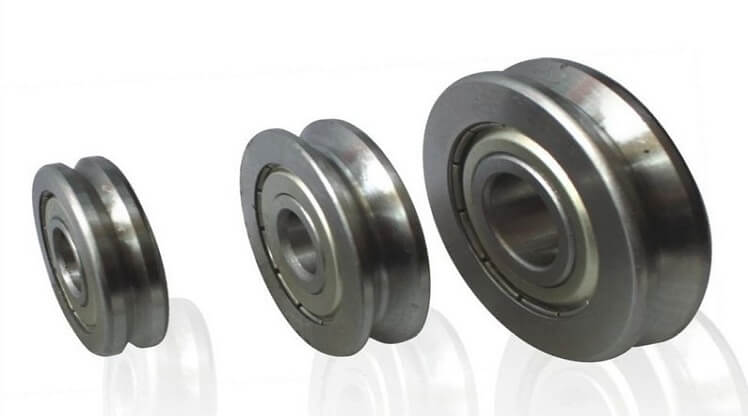
Can you explain the maintenance and lubrication requirements for track bearings?
Maintenance and lubrication are essential aspects of ensuring the optimal performance and longevity of track bearings. Proper maintenance practices and appropriate lubrication help minimize wear, reduce friction, prevent corrosion, and extend the service life of the bearings. Here’s an explanation of the maintenance and lubrication requirements for track bearings:
Maintenance Requirements:
- Cleanliness: It is crucial to maintain a clean operating environment for track bearings. Regularly remove dirt, dust, and debris from the track and bearing surfaces to prevent contamination, which can lead to premature wear and damage.
- Inspection: Periodically inspect the track bearings for signs of wear, damage, or misalignment. Check for excessive play, noise, or roughness during operation. If any issues are detected, take appropriate measures such as bearing replacement or realignment to ensure optimal performance.
- Tightening and Fasteners: Check the tightness of fasteners, such as bolts or screws, that secure the track bearings. Loose fasteners can lead to misalignment or instability. Ensure that all fasteners are properly tightened according to the manufacturer’s specifications.
- Track Alignment: Proper track alignment is crucial for smooth and efficient operation of track bearings. Regularly check the alignment of the track or guide rails and make necessary adjustments to maintain proper alignment, minimizing excessive loads and wear on the bearings.
- Load Limits: Adhere to the specified load limits for the track bearings. Exceeding the recommended load capacity can cause premature wear and failure. Consider the dynamic and static load ratings of the bearings to ensure they are not subjected to excessive loads that can compromise their performance.
Lubrication Requirements:
- Proper Lubricant Selection: Select the appropriate lubricant based on the operating conditions, such as temperature, load, and speed. Consult the manufacturer’s recommendations or seek expert advice to ensure the lubricant’s compatibility with the track bearings and the specific application.
- Regular Lubrication: Follow a regular lubrication schedule as recommended by the manufacturer. This may involve applying lubricant at specified intervals or based on the operating hours. Adequate lubrication helps minimize friction, reduce wear, and maintain proper functioning of the track bearings.
- Correct Lubrication Method: Apply the lubricant using the appropriate method, whether it’s manual greasing, automatic lubrication systems, or specialized lubrication techniques. Ensure that the lubricant reaches all necessary contact points and provides sufficient coverage to the bearing surfaces.
- Monitoring and Replenishment: Monitor the lubricant levels regularly and replenish as needed. In some cases, track bearings may have built-in lubrication systems that require periodic refilling or maintenance. Keep track of the lubricant condition and replace it when it becomes contaminated or degraded.
- Environmental Considerations: Consider the operating environment when selecting the lubricant. Extreme temperatures, exposure to moisture, or the presence of chemicals or contaminants may require special lubricants that can withstand these conditions and provide effective protection and lubrication.
It is important to consult the manufacturer’s guidelines and recommendations specific to the track bearings being used. Following the recommended maintenance and lubrication practices ensures optimal performance, reduces the risk of premature failure, and maximizes the overall lifespan of the track bearings.
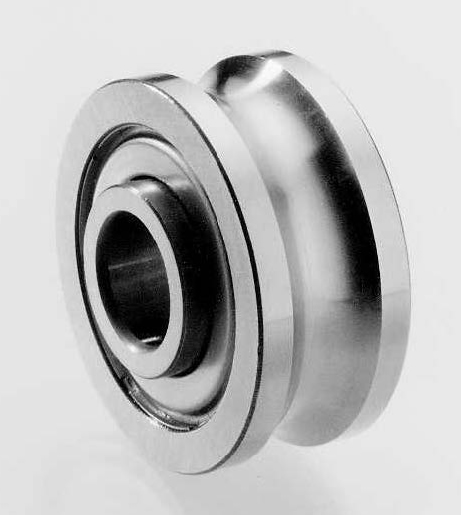
Are there potential challenges or limitations in using track bearings in specific industries?
While track bearings are widely used in various industries for their ability to support linear motion and handle heavy loads, there can be potential challenges and limitations associated with their use in specific industries. Here’s a detailed explanation:
1. Contamination and Harsh Environments:
Industries such as mining, construction, and agriculture often operate in harsh environments with high levels of contamination, including dust, dirt, and moisture. These contaminants can enter the track bearings and cause accelerated wear, reduced performance, and potential failure. Regular maintenance and appropriate sealing measures are required to mitigate these challenges.
2. High-Temperature Environments:
In industries like metal processing, glass manufacturing, and foundries, track bearings may be exposed to high temperatures. Excessive heat can affect the lubrication properties and structural integrity of bearings, leading to premature failure. Selecting track bearings specifically designed for high-temperature applications and using suitable lubricants are necessary to overcome this limitation.
3. Corrosive Chemicals:
Industries such as chemical processing, food and beverage, and wastewater treatment involve exposure to corrosive chemicals. Corrosion can significantly affect the performance and lifespan of track bearings. Choosing bearings made from corrosion-resistant materials or applying protective coatings can help address this challenge.
4. Heavy Load and Impact:
Industries like material handling, mining, and construction often require track bearings to withstand heavy loads and frequent impacts. Excessive load or impact can lead to premature wear, deformation, or even catastrophic failure of the bearings. Selecting track bearings with appropriate load capacities and impact resistance is crucial in these industries.
5. Precision and Accuracy:
In industries such as robotics, semiconductor manufacturing, and precision machining, track bearings may need to meet stringent requirements for precision and accuracy. Any deviation or play in the bearings can impact the overall performance and quality of the process. Using high-precision track bearings and ensuring proper alignment and installation are essential in these cases.
6. Speed and Acceleration:
Applications involving high-speed or rapid acceleration, such as automated assembly lines or conveyor systems, can impose additional challenges on track bearings. Excessive speed or acceleration can generate heat and vibration, leading to increased wear and reduced bearing life. Choosing track bearings with suitable speed and acceleration ratings is vital in these industries.
It is important to consult with bearing manufacturers or industry experts to identify and address any potential challenges or limitations specific to the industry and application at hand. By understanding these challenges and selecting track bearings designed to overcome them, industries can optimize performance, reliability, and longevity while mitigating risks and ensuring smooth operation.
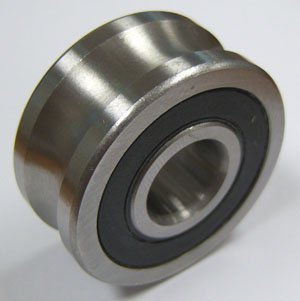
Are there specific materials commonly used in the construction of track bearings?
Yes, specific materials are commonly used in the construction of track bearings to ensure their durability, load-carrying capacity, and resistance to various operating conditions. Let’s discuss the materials commonly used for different components of track bearings:
- Outer and Inner Rings: The outer and inner rings of track bearings are typically made from high-quality bearing steels such as chrome steel (e.g., AISI 52100) or stainless steel. These materials offer excellent strength, hardness, and wear resistance. Chrome steel is the most commonly used material due to its favorable combination of mechanical properties and cost-effectiveness. In some cases, specialized alloys or heat-treated steels may be used to enhance specific properties like corrosion resistance or high-temperature performance.
- Rolling Elements: The rolling elements in track bearings are commonly made from bearing-grade steel or ceramic materials. Bearing-grade steel, similar to the materials used for the outer and inner rings, offers high strength and wear resistance. Ceramic materials, such as silicon nitride (Si3N4) or zirconia (ZrO2), are also used in certain applications where their advantages, such as high hardness, low density, and resistance to corrosion and high temperatures, are desired.
- Cage: The cage in track bearings is typically made from materials such as steel, brass, or engineered polymers. Steel cages are commonly used due to their strength and durability. Brass cages offer good corrosion resistance and are suitable for certain operating environments. Engineered polymers, such as polyamide (nylon), are used in applications where low friction, noise reduction, or lightweight design is desired.
- Seals or Shields: The seals or shields used in track bearings are made from various materials depending on the specific requirements. Common materials include rubber or synthetic elastomers for seals, and steel or stainless steel for shields. These materials provide effective protection against contaminants while maintaining proper lubrication within the bearing assembly.
- Lubrication: Lubricants used in track bearings can vary depending on the application and operating conditions. Common lubrication options include mineral oils, synthetic oils, and greases. The lubricant’s formulation is carefully chosen to provide adequate lubrication, reduce friction and wear, and protect against corrosion and contamination.
Overall, the choice of materials for track bearings is influenced by factors such as load requirements, operating conditions (including temperature and moisture levels), desired lifespan, and cost considerations. By selecting appropriate materials for each component, track bearings can deliver reliable performance and extended service life in a wide range of industrial and mechanical applications.


editor by CX 2024-04-11