Product Description
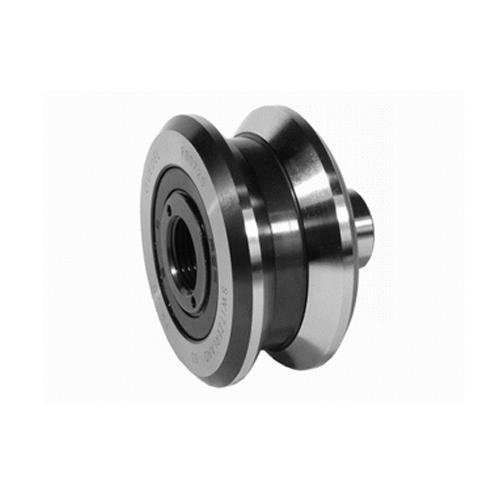
12*54*25 V10 Rail Linear Bearing Xihu (West Lake) Dis. Rollers, Double Row Xihu (West Lake) Dis. Rail Track Roller V Groove Bearing
Introduction
This bearing is custom-designed for bearing steel, dimensional accuracy are very good, suitable for high-precision, high-speed, high-load components.
This roller mainly used for wire cutting molybdenum wire and other wire CZPT wheel CZPT wheel assembly. Please confirm the purchase.
Different shapes of materials are suitable for the straightening wheel groove type, the linear type is suitable for V groove, the bar material is suitable for U groove, and the rectangular flat material is suitable for H groove.
We offer customed service according to your drawing.
Customizable, please contact customer service!!!
Model description
Model description
12*54*25 V10 represents inner diameter 12mm* outer diameter 52mm* height 25mm, V10 represents V groove, groove width 10mm, groove depth 10mm
Other Mordels
| Inner diameter | outer diameter | height | Groove | Inner diameter*outer diameter*height(mm) | Type |
| 3 | 10 | 3 | U/V/H | 3*10*3 | |
| 3 | 12 | 4 | U/V/H | 3*12*4 | |
| 4 | 10 | 4 | U/V/H | 4*10*4 | |
| 4 | 11 | 4 | U/V/H | 4*11*4 | |
| 4 | 12 | 4 | U/V/H | 4*12*4 | |
| 4 | 13 | 4 | U/V/H | 4*13*4 | |
| 4 | 13 | 5 | U/V/H | 4*13*5 | 624Z |
| 4 | 13 | 6 | U/V/H | 4*13*6 | |
| 4 | 13 | 7 | U/V/H | 4*13*7 | |
| 4 | 18 | 7 | U/V/H | 4*18*7 | V1804RS |
| 6 | 12 | 4 | U/V/H | 6*12*4 | |
| 6 | 13 | 5 | U/V/H | 6*13*5 | |
| 6 | 15 | 6 | U/V/H | 6*15*6 | |
| 6 | 17 | 6 | U/V/H | 6*17*6 | |
| 6 | 19 | 6 | U/V/H | 6*19*6 | |
| 6 | 19 | 9 | U/V/H | 6*19*9 | |
| 6 | 20 | 6 | U/V/H | 6*20*6 | |
| 6 | 20 | 9 | U/V/H | 6*20*9 | |
| 6 | 20 | 10 | U/V/H | 6*20*10 | |
| 6 | 21 | 6 | U/V/H | 6*21*6 | |
| 6 | 22 | 7 | U/V/H | 6*22*7 | |
| 6 | 22 | 11 | U/V/H | 6*22*11 | |
| 6 | 24 | 11 | U/V/H | 6*24*11 | SG20 |
| 6 | 27 | 6 | U/V/H | 6*27*6 | |
| 6 | 27 | 8 | U/V/H | 6*27*8 | |
| 6 | 28 | 7 | U/V/H | 6*28*7 | |
| 8 | 22 | 7 | U/V/H | 8*22*7 | 608Z |
| 8 | 24 | 8 | U/V/H | 8*24*8 | |
| 8 | 24 | 11 | U/V/H | 8*24*11 | |
| 8 | 26 | 7 | U/V/H | 8*26*7 | |
| 8 | 28 | 9 | U/V/H | 8*28*9 | |
| 8 | 37 | 11 | U/V/H | 8*37*11 | |
| 8 | 40 | 12 14 | U/V/H | 8*40*12/14 | SG20 |
| 10 | 27 | 14 | U/V/H | 10*27*14 | |
| 10 | 30 | 8 | U/V/H | 10*30*8 | |
| 10 | 30 | 9 | U/V/H | 10*30*9 | 6200Z |
| 10 | 30 | 13 | U/V/H | 10*30*13 | |
| 10 | 32 | 9 | U/V/H | 10*32*9 | 6202Z |
| 10 | 32 | 14 | U/V/H | 10*32*14 | 629 2RS |
| 10 | 35 | 9 | U/V/H | 10*35*9 | SG20 |
| 10 | 35 | 11 | U/V/H | 10*35*11 | |
| 10 | 37 | 12 | U/V/H | 10*37*12 | |
| 10 | 40 | 14 | U/V/H | 10*40*14 | |
| 10 | 46 | 16 | U/V/H | 10*46*16 | |
| 12 | 32 | 10 | U/V/H | 12*32*10 | |
| 12 | 37 | 12 | U/V/H | 12*37*12 | |
| 12 | 42 | 19 | U/V/H | 12*42*19 | 629 2RS |
| 12 | 45 | 24 | U/V/H | 12*45*24 | |
| 12 | 54 | 25 | U/V/H | 12*54*25 | 629 2RS |
| 12 | 50 | 13 | U/V/H | 12*50*13 | |
| 15 | 47 | 11 | U/V/H | 15*47*11 | 6202Z |
Company Profile
Who are we?
Q1: Are you a factory or trading company?
We are a factory . We can promise you a short lead time and best price if you purchase our machine. We also have our own trading department.
Q2: How does the factory ensure products quality?
With Nearly 16 years experience in manufacturing winding machine, we have our own technology develop department and testing department.
Quality is the first priority. We have strict purchasing system to ensure the quality of spare parts. We have experienced workers to assemble and test machine.
Q3:How about your after-sale service?
We have a professional technology supporting team for your timely services. You can get the help you need in time by telephone, webcam, online chat (Google talk, Facebook, Skype). Please contact us once the machine has any problem. Best service will be offered.
Q4: What are your payment terms?
100%TT or prepaid 50% , balance 50% before shipping.
Q5: How can I get my order? How can I know you sent the goods?
We will send the goods by UPS, DHL, FedEx or sea shipment. After we sent the goods, we will give you the tracking number or other relative files for checking.
/* January 22, 2571 19:08:37 */!function(){function s(e,r){var a,o={};try{e&&e.split(“,”).forEach(function(e,t){e&&(a=e.match(/(.*?):(.*)$/))&&1
| Rolling Body: | Roller Bearings |
|---|---|
| Outer Dimension: | Small and Medium-Sized (60-115mm) |
| Material: | Bearing Steel |
| Spherical: | Aligning Bearings |
| Load Direction: | Axial Bearing |
| Separated: | Unseparated |
| Customization: |
Available
| Customized Request |
|---|
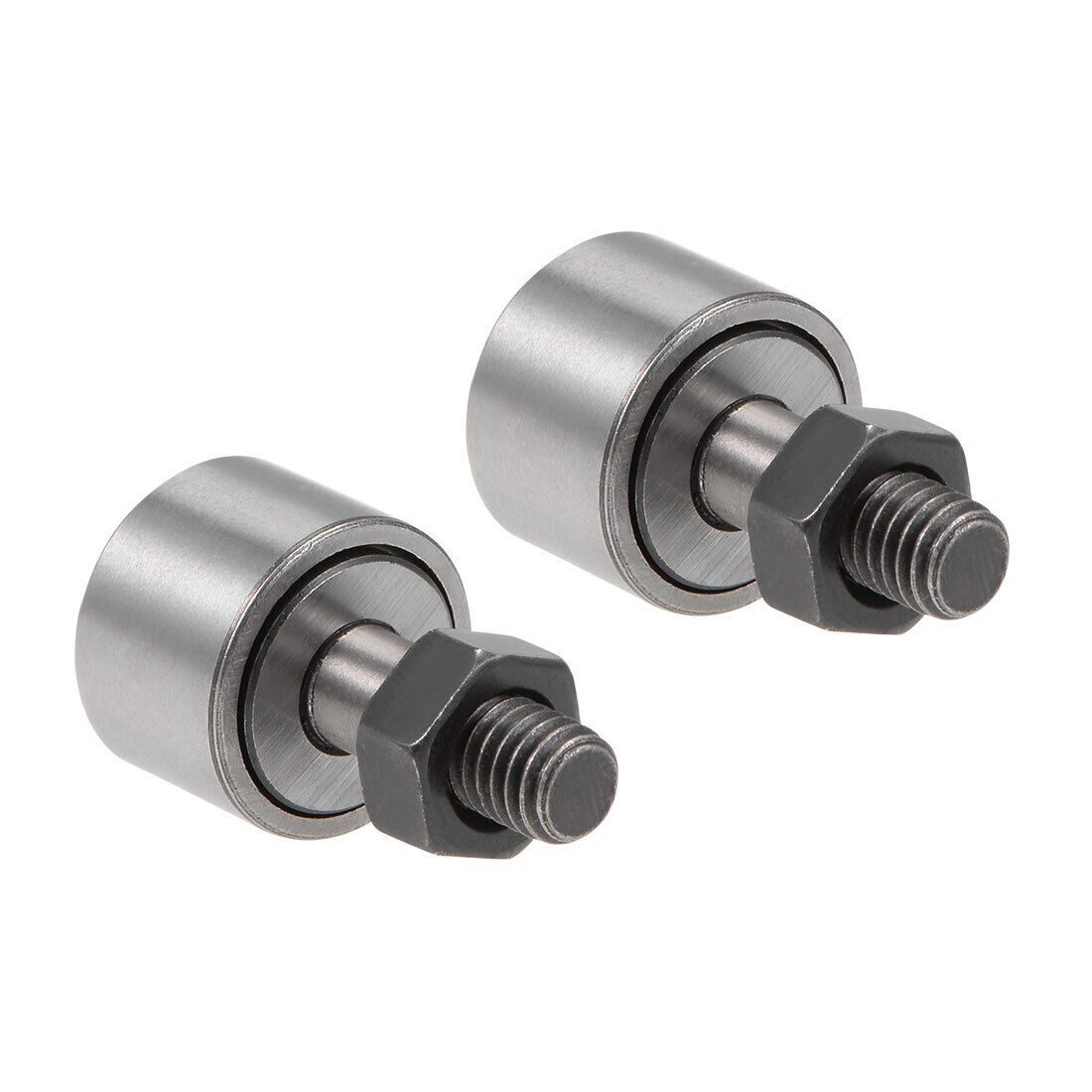
What are the considerations for selecting the right track bearings for a particular application?
Selecting the right track bearings for a particular application requires careful consideration of various factors to ensure optimal performance, reliability, and longevity. Here are the key considerations to keep in mind:
- Load Requirements: Assess the expected load conditions in the application. Consider both the static and dynamic loads that the track bearings will need to support. Determine the maximum load capacity required to ensure that the selected bearings can handle the anticipated loads without premature failure or excessive wear.
- Speed and Acceleration: Evaluate the speed and acceleration requirements of the application. Higher speeds and rapid accelerations can impose additional stresses on the track bearings. Choose bearings with suitable speed and acceleration ratings to ensure they can operate effectively within the desired range without compromising performance or causing premature wear.
- Environmental Factors: Consider the operating environment of the application. Evaluate factors such as temperature extremes, moisture, dust, chemicals, and potential exposure to corrosive substances. Select track bearings that are designed to withstand the specific environmental conditions to ensure optimal performance and longevity.
- Track and Rail Compatibility: Assess the compatibility of the track bearings with the existing track or rail system. Consider factors such as track geometry, dimensional requirements, and mounting options. Ensure that the selected bearings are suitable for the specific track or rail design to facilitate proper installation, alignment, and smooth operation.
- Maintenance and Lubrication: Evaluate the maintenance and lubrication requirements of the track bearings. Consider factors such as the need for regular maintenance, lubrication intervals, and the availability of suitable lubricants. Choose bearings that align with the desired maintenance practices and provide appropriate lubrication options based on the application’s operational demands.
- Expected Lifespan and Reliability: Determine the desired lifespan and reliability expectations for the track bearings. Consider factors such as the projected operating hours, duty cycles, and the criticality of the application. Select bearings from reputable manufacturers known for producing high-quality, reliable products that align with the expected lifespan and reliability requirements.
- Cost Considerations: Evaluate the cost-effectiveness of the track bearings. Consider the initial purchase cost as well as the long-term costs associated with maintenance, replacement, and potential downtime. Strive for a balance between the upfront investment and the overall value provided by the bearings in terms of performance, reliability, and longevity.
It is essential to consult with bearing manufacturers or industry experts who can provide guidance and recommendations based on the specific application requirements. By considering these factors and seeking expert advice, you can select the right track bearings that best meet the needs of your particular application.
Can track bearings be used in both light-duty and heavy-duty machinery applications?
Yes, track bearings can be used in both light-duty and heavy-duty machinery applications. They are versatile components that offer reliable support for linear motion in a wide range of industrial settings. Here’s a detailed explanation:
1. Light-Duty Machinery Applications:
In light-duty machinery applications, track bearings provide cost-effective and efficient solutions for various tasks. Light-duty track bearings are designed to handle lower loads and are commonly used in applications such as:
- Office automation equipment
- Consumer electronics
- Printing machinery
- Small conveyors and material handling systems
- Automated vending machines
- Textile machinery
These applications typically involve lighter loads and lower operating speeds, making light-duty track bearings suitable for providing smooth and reliable linear motion.
2. Heavy-Duty Machinery Applications:
Track bearings are also widely used in heavy-duty machinery applications that require robust components capable of handling substantial loads and challenging operating conditions. Heavy-duty track bearings are designed to withstand higher loads and offer increased durability. They are commonly employed in applications such as:
- Material handling equipment
- Construction machinery
- Mining equipment
- Transportation systems
- Industrial automation
- Large-scale conveyors
- Steel mills
These applications often involve heavy loads, high operating speeds, and demanding environments. Track bearings in heavy-duty machinery applications are engineered to provide reliable performance, extended service life, and resistance to factors such as contamination, shock, and vibration.
Track bearings are available in various sizes, designs, and load capacities, allowing them to be tailored to the specific requirements of both light-duty and heavy-duty machinery applications. Manufacturers offer a range of options to accommodate different load capacities, operating conditions, and performance specifications.
It is important to consider the specific requirements and operating conditions of the machinery application when selecting track bearings. Consulting with bearing manufacturers or industry experts can help ensure the appropriate track bearings are chosen for optimal performance and reliability in both light-duty and heavy-duty machinery applications.
What are the components of a track bearing assembly and their functions?
A track bearing assembly consists of several components that work together to facilitate smooth and controlled motion along a track or guide rail. Let’s explore the components of a typical track bearing assembly and their functions:
- Outer Ring: The outer ring is the outermost component of a track bearing assembly. It provides structural support and houses the rolling elements. The outer ring is designed with a track or guide surface that interfaces with the track or rail, allowing the bearing to move along the desired path.
- Inner Ring: The inner ring is located inside the outer ring and provides a mounting surface for the bearing assembly. It may have a stud or shaft for attaching the bearing to the application. The inner ring helps in aligning and positioning the bearing assembly.
- Rolling Elements: The rolling elements are the components that enable smooth rolling motion between the inner and outer rings. In track bearings, the rolling elements are typically in the form of rollers or needles. They are designed to minimize friction and distribute the load evenly along the track surface.
- Cage: The cage, also known as a retainer, is a component that holds the rolling elements in position and maintains proper spacing between them. The cage prevents the rolling elements from contacting each other, reducing friction and wear. It also helps in guiding the rolling elements during operation.
- Seals or Shields: Track bearings often incorporate seals or shields to protect the internal components from contaminants such as dirt, dust, and moisture. Seals provide a physical barrier between the bearing and the external environment, while shields offer partial protection while allowing some lubrication to reach the rolling elements.
- Lubrication: Proper lubrication is crucial for the smooth operation and longevity of track bearings. Lubrication reduces friction, dissipates heat, and prevents wear between the rolling elements and raceways. Lubricants can be applied through grease fittings or oil ports, ensuring that the rolling elements roll smoothly along the track surface.
- Mounting Hardware: Depending on the specific design and application requirements, track bearing assemblies may include mounting hardware such as studs, bolts, or fasteners. These components are used to securely attach the bearing assembly to the application, ensuring proper alignment and stability.
By combining these components, a track bearing assembly provides reliable and controlled motion along a track or guide rail. The outer and inner rings, along with the rolling elements and cage, enable smooth rolling motion, while seals or shields protect the internal components from contaminants. Proper lubrication and mounting hardware ensure optimal performance and longevity of the track bearing assembly.


editor by CX 2024-04-17