Product Description
HangZhou Runstar Bearings Manufacturing Co.; Ltd, whose brand is RUNSTAR, was establihsed in 2007 and is located in Zhanghou City, the Economic Zone on the west coast of the ZheJiang Strait. Equipped with advanced production equipment and inspection instruments, we specilize in manufacturing and selling high precision miniature and small deep groove ball bearing with an inner diameter of 1mm to 50mm, strictly in accordance with GB/T307.1 national standards.
We mainly manufacture and supply metric and inch series of miniature ball bearing, small ball bearing, flanged ball bearing, stainless steel ball bearing, extended inner ring ball bearing, thrust ball bearing, urethane coated bearing, ceramic bearing etcs, the material can be chrome steel and stainless steel, from ABEC-1 to ABEC-7 for choice, we also design and manufacture customized products for special application.
RUNSTAR has set up the quality system and environmental management system. We have passed the cerficate of ISO9001: 2015, All RUNSTAR products are designed and controlled strictly under ISO9001: 2015.
Most of our products are widely used in the fields of precision instrument, home application, medical device, massage equipment, sports equipment, textile machinery, woodworking machinery, motor, power tool, water pump, air compressor, fishing reel and Yoyo etcs.
| SG SERIES OF XIHU (WEST LAKE) DIS. BEARING FOR EMBROIDERY MACHINE | |||||||
| ITEM | inner diameter | outer diameter | width | extended width | for CZPT size | load | weight |
| d(mm) | D(mm) | B(mm) | Be(mm) | mm | (KN) | g | |
| SG10 | 4 | 13 | 6 | 8.2 | 5 | 1.05 | 7 |
| SG15 | 5 | 17 | 8 | 9.75 | 6 | 1.8 | 8 |
| SG15-10 | 5 | 17 | 8 | 9.75 | 10 | 1.8 | 9 |
| SG15NPP | 5 | 17 | 8 | 9.75 | 10 | 1.8 | 9 |
| SG22 | 6 | 22 | 10 | 6 | 3.48 | 22 | |
| SG22-11 | 6 | 22 | 10 | 11 | 6 | 3.48 | 22 |
| SG20 | 6 | 24 | 11 | 12.75 | 8 | 3.48 | 25 |
| SG25 | 8 | 30 | 14 | 15.5 | 10 | 5.18 | 49 |
| SG35 | 12 | 42 | 12 | 19 | 12 | 10.6 | 136 |
| SG625 | 8 | 25 | 17 | 16 | |||
| LFR50/5 | 5 | 17 | 7 | 6 | |||
| LFR5201 | 12 | 35 | 15.9 | 15.9 | |||
APPLICATION
OUR WORKSHOP
OUR FACTORY
PACKING
/* January 22, 2571 19:08:37 */!function(){function s(e,r){var a,o={};try{e&&e.split(“,”).forEach(function(e,t){e&&(a=e.match(/(.*?):(.*)$/))&&1
| Precision Rating: | ABEC-1,ABEC-3,ABEC-5 |
|---|---|
| Certificate: | ISO9001:2015 Reach and RoHS |
| Application: | Embroidery Machine |
| Samples: |
US$ 3/Set
1 Set(Min.Order) | Order Sample |
|---|
.shipping-cost-tm .tm-status-off{background: none;padding:0;color: #1470cc}
|
Shipping Cost:
Estimated freight per unit. |
about shipping cost and estimated delivery time. |
|---|
| Payment Method: |
|
|---|---|
|
Initial Payment Full Payment |
| Currency: | US$ |
|---|
| Return&refunds: | You can apply for a refund up to 30 days after receipt of the products. |
|---|
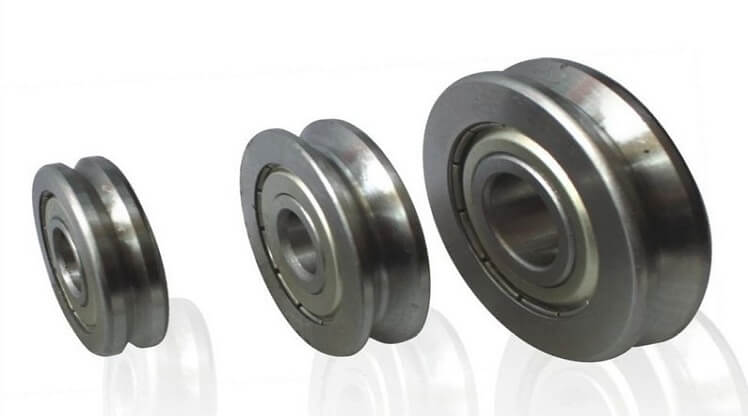
Can you explain the maintenance and lubrication requirements for track bearings?
Maintenance and lubrication are essential aspects of ensuring the optimal performance and longevity of track bearings. Proper maintenance practices and appropriate lubrication help minimize wear, reduce friction, prevent corrosion, and extend the service life of the bearings. Here’s an explanation of the maintenance and lubrication requirements for track bearings:
Maintenance Requirements:
- Cleanliness: It is crucial to maintain a clean operating environment for track bearings. Regularly remove dirt, dust, and debris from the track and bearing surfaces to prevent contamination, which can lead to premature wear and damage.
- Inspection: Periodically inspect the track bearings for signs of wear, damage, or misalignment. Check for excessive play, noise, or roughness during operation. If any issues are detected, take appropriate measures such as bearing replacement or realignment to ensure optimal performance.
- Tightening and Fasteners: Check the tightness of fasteners, such as bolts or screws, that secure the track bearings. Loose fasteners can lead to misalignment or instability. Ensure that all fasteners are properly tightened according to the manufacturer’s specifications.
- Track Alignment: Proper track alignment is crucial for smooth and efficient operation of track bearings. Regularly check the alignment of the track or guide rails and make necessary adjustments to maintain proper alignment, minimizing excessive loads and wear on the bearings.
- Load Limits: Adhere to the specified load limits for the track bearings. Exceeding the recommended load capacity can cause premature wear and failure. Consider the dynamic and static load ratings of the bearings to ensure they are not subjected to excessive loads that can compromise their performance.
Lubrication Requirements:
- Proper Lubricant Selection: Select the appropriate lubricant based on the operating conditions, such as temperature, load, and speed. Consult the manufacturer’s recommendations or seek expert advice to ensure the lubricant’s compatibility with the track bearings and the specific application.
- Regular Lubrication: Follow a regular lubrication schedule as recommended by the manufacturer. This may involve applying lubricant at specified intervals or based on the operating hours. Adequate lubrication helps minimize friction, reduce wear, and maintain proper functioning of the track bearings.
- Correct Lubrication Method: Apply the lubricant using the appropriate method, whether it’s manual greasing, automatic lubrication systems, or specialized lubrication techniques. Ensure that the lubricant reaches all necessary contact points and provides sufficient coverage to the bearing surfaces.
- Monitoring and Replenishment: Monitor the lubricant levels regularly and replenish as needed. In some cases, track bearings may have built-in lubrication systems that require periodic refilling or maintenance. Keep track of the lubricant condition and replace it when it becomes contaminated or degraded.
- Environmental Considerations: Consider the operating environment when selecting the lubricant. Extreme temperatures, exposure to moisture, or the presence of chemicals or contaminants may require special lubricants that can withstand these conditions and provide effective protection and lubrication.
It is important to consult the manufacturer’s guidelines and recommendations specific to the track bearings being used. Following the recommended maintenance and lubrication practices ensures optimal performance, reduces the risk of premature failure, and maximizes the overall lifespan of the track bearings.
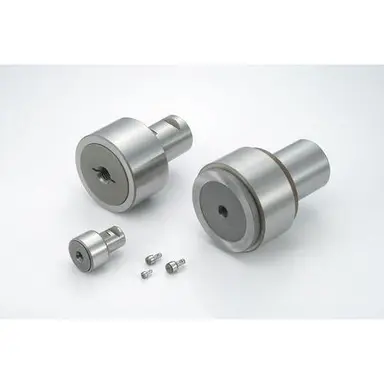
Can track bearings withstand harsh environments or exposure to contaminants?
Track bearings are designed to operate in a wide range of environments, including harsh conditions and exposure to contaminants. However, the ability of track bearings to withstand such environments depends on their specific design, materials, and protective measures. Here’s a detailed explanation:
Many track bearings are engineered with features that enhance their resistance to harsh environments and contaminants. These features may include:
- Sealing and Shielding: Some track bearings are equipped with seals or shields that provide a physical barrier against contaminants such as dirt, dust, water, and debris. These seals or shields help prevent the entry of contaminants into the bearing’s internal components, reducing the risk of damage and premature wear.
- Corrosion Resistance: Track bearings intended for use in corrosive environments are often constructed from materials that offer high corrosion resistance. Stainless steel, for example, is commonly used due to its ability to withstand exposure to moisture, chemicals, and other corrosive substances.
- Specialized Coatings: Some track bearings may feature specialized coatings or surface treatments that provide additional protection against contaminants and harsh conditions. These coatings can enhance the bearing’s resistance to corrosion, abrasion, and chemical exposure.
- High-Temperature Capability: Certain track bearings are designed to withstand high-temperature environments. They are typically constructed using heat-resistant materials and lubricants that can maintain their structural integrity and performance even under extreme heat.
- Environmental Sealing: In applications where track bearings are exposed to extreme conditions, such as underwater or in highly dusty environments, special environmental sealing measures may be employed. These measures can include the use of advanced sealing technologies or the encapsulation of the bearings within protective housings.
While track bearings are designed to withstand harsh environments and exposure to contaminants, it is important to note that their performance and longevity can still be affected over time. Regular maintenance, including cleaning, inspection, and lubrication, is crucial to ensure proper functioning and to mitigate the impact of contaminants on the bearings.
It is recommended to consult the manufacturer’s specifications and guidelines for the track bearings being used in a specific application. Manufacturers often provide information on the environmental ratings and limits of their bearings, helping users determine the suitability of the bearings for particular harsh environments or exposure to contaminants.
By selecting track bearings with appropriate features, materials, and protection, and by implementing proper maintenance practices, it is possible to enhance the bearings’ ability to withstand harsh environments and exposure to contaminants, thereby maximizing their performance and longevity.
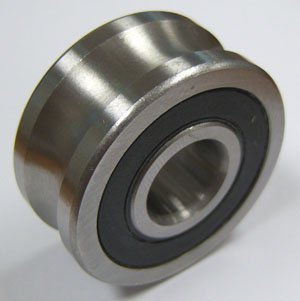
Are there specific materials commonly used in the construction of track bearings?
Yes, specific materials are commonly used in the construction of track bearings to ensure their durability, load-carrying capacity, and resistance to various operating conditions. Let’s discuss the materials commonly used for different components of track bearings:
- Outer and Inner Rings: The outer and inner rings of track bearings are typically made from high-quality bearing steels such as chrome steel (e.g., AISI 52100) or stainless steel. These materials offer excellent strength, hardness, and wear resistance. Chrome steel is the most commonly used material due to its favorable combination of mechanical properties and cost-effectiveness. In some cases, specialized alloys or heat-treated steels may be used to enhance specific properties like corrosion resistance or high-temperature performance.
- Rolling Elements: The rolling elements in track bearings are commonly made from bearing-grade steel or ceramic materials. Bearing-grade steel, similar to the materials used for the outer and inner rings, offers high strength and wear resistance. Ceramic materials, such as silicon nitride (Si3N4) or zirconia (ZrO2), are also used in certain applications where their advantages, such as high hardness, low density, and resistance to corrosion and high temperatures, are desired.
- Cage: The cage in track bearings is typically made from materials such as steel, brass, or engineered polymers. Steel cages are commonly used due to their strength and durability. Brass cages offer good corrosion resistance and are suitable for certain operating environments. Engineered polymers, such as polyamide (nylon), are used in applications where low friction, noise reduction, or lightweight design is desired.
- Seals or Shields: The seals or shields used in track bearings are made from various materials depending on the specific requirements. Common materials include rubber or synthetic elastomers for seals, and steel or stainless steel for shields. These materials provide effective protection against contaminants while maintaining proper lubrication within the bearing assembly.
- Lubrication: Lubricants used in track bearings can vary depending on the application and operating conditions. Common lubrication options include mineral oils, synthetic oils, and greases. The lubricant’s formulation is carefully chosen to provide adequate lubrication, reduce friction and wear, and protect against corrosion and contamination.
Overall, the choice of materials for track bearings is influenced by factors such as load requirements, operating conditions (including temperature and moisture levels), desired lifespan, and cost considerations. By selecting appropriate materials for each component, track bearings can deliver reliable performance and extended service life in a wide range of industrial and mechanical applications.


editor by CX 2024-04-22