Product Description
Printing Machine Bearings NATR25PP NATR Series 25*52*25mm Track Roller Bearings
Description of Printing Machine Bearings NATR25PP NATR Series 25*52*25mm Track Roller Bearings
| Series | Description |
| NATR | Yoke type track rollers with axial guidance by washers,gap seal,with inner ring |
| NATR…PP | Yoke type track rollers with additional sealing rings |
| NATV | Yoke type track rollers with axial guidance by washers,full complement,gap seal,with inner ring |
| NATV…PP | Yoke type track rollers with additional sealing rings |
| NUTR | Yoke type track rollers with axial guidance by the rolling element,full complement,gap seal,with inner ring |
| KR | Stud type track rollers with axial guidance by rid and washer,gap seal |
| KR…PP | Stud type track rollers with sealing rings |
| KRE | Stud type track rollers with eccentric collar |
| KRE…PP | Stud type track rollers with eccentric collar and sealing rings |
| KRV | Stud type track rollers with axial guidance by rid and washer,full complement, gap seal |
| KRV…PP | Stud type track rollers with sealing rings |
| KRVE | Stud type track rollers with eccentric collar |
| KRVE…PP | Stud type track rollers with eccentric collar and sealing rings |
| NUKR | Stud type track rollers with axial guidance by the rolling element,full complement, gap seals |
| NUKRE | Stud type track rollers with eccentric collar |
| CF | Stud type track rollers with cage ,the same as KR series |
Catalogue of Printing Machine Bearings NATR25PP NATR Series 25*52*25mm Track Roller Bearings
|
Outside Diameter |
Bearing Designation and mass approx |
Borndary Dimensions | Basic Load Rating |
Limiting Speed |
||||||||||
|
Without seal |
Mass | Sealed | Mass | d | D | B | C | d1 | Cr | Cor | As Yoke Type Track Rollers | Grease | ||
| Dynamic | Static | Cw | Cow | |||||||||||
| mm | g | g | mm | N | rpm | |||||||||
| 16 | NATR 5 | 14 | NATR 5 PP | 14 | 5 | 16 | 12 | 11 | 12 | 3050 | 3000 | 2050 | 2400 | 22000 |
| NATV 5 | 15 | NATV 5 PP | 15 | 5 | 16 | 12 | 11 | 12 | 4500 | 6300 | 3680 | 4300 | 8500 | |
| 19 | NATR 6 | 20 | NATR 6 PP | 20 | 6 | 19 | 12 | 11 | 14 | 3600 | 3650 | 2450 | 2850 | 20000 |
| NATV 6 | 21 | NATV 6 PP | 21 | 6 | 19 | 12 | 11 | 14 | 5700 | 8700 | 4600 | 6750 | 7000 | |
| 24 | NATR 8 | 41 | NATR 8 PP | 41 | 8 | 24 | 15 | 14 | 19 | 4500 | 5400 | 3900 | 4500 | 5000 |
| NATV 8 | 42 | NATV 8 PP | 42 | 8 | 24 | 15 | 14 | 19 | 8600 | 12000 | 6700 | 9800 | 5500 | |
| 30 | NATR 10 | 64 | NATR 10 PP | 64 | 10 | 30 | 15 | 14 | 23 | 6100 | 7800 | 4500 | 6900 | 11000 |
| NATV 10 | 65 | NATV 10 PP | 65 | 10 | 30 | 15 | 14 | 23 | 10900 | 17000 | 7600 | 11800 | 4500 | |
| 32 | NATR 12 | 71 | NATR 12 PP | 71 | 12 | 32 | 15 | 14 | 25 | 6600 | 9800 | 4660 | 7000 | 9000 |
| NATV 12 | 72 | NATV 12 PP | 72 | 12 | 32 | 15 | 14 | 25 | 11800 | 19000 | 7800 | 13000 | 3900 | |
| 35 | NATR 15 | 103 | NATR 15 PP | 103 | 15 | 35 | 19 | 18 | 27 | 10500 | 17500 | 7800 | 11500 | 7000 |
| NATV 15 | 105 | NATV 15 PP | 105 | 15 | 35 | 19 | 18 | 27 | 16000 | 32500 | 15710 | 20500 | 3400 | |
| 40 | NATR 17 | 144 | NATR 17 PP | 144 | 17 | 40 | 21 | 20 | 32 | 11800 | 19400 | 9500 | 13500 | 6000 |
| NATV 17 | 152 | NATV 17 PP | 152 | 17 | 40 | 21 | 20 | 32 | 19600 | 37000 | 1200 | 23000 | 2900 | |
| 47 | NATR 20 | 246 | NATR 20 PP | 246 | 20 | 47 | 25 | 24 | 37 | 17500 | 29800 | 13500 | 22500 | 4900 |
| NATV 20 | 254 | NATV 20 PP | 254 | 20 | 47 | 25 | 24 | 37 | 25800 | 57000 | 19000 | 39500 | 2600 | |
| 52 | NATR 25 | 275 | NATR 25 PP | 275 | 25 | 52 | 25 | 24 | 42 | 19500 | 36500 | 13400 | 23500 | 3600 |
| NATV 25 | 285 | NATV 25 PP | 285 | 25 | 52 | 25 | 24 | 42 | 29000 | 69600 | 19800 | 40900 | 2100 | |
| 62 | NATR 30 | 470 | NATR 30 PP | 470 | 30 | 62 | 29 | 28 | 51 | 31000 | 57500 | 20900 | 35500 | 2600 |
| NATV 30 | 481 | NATV 30 PP | 481 | 30 | 62 | 29 | 28 | 51 | 45500 | 104000 | 27800 | 60900 | 1700 | |
| 72 | NATR 35 | 635 | NATR 35 PP | 635 | 35 | 72 | 29 | 28 | 58 | 34500 | 67500 | 22500 | 41000 | 2000 |
| NATV 35 | 647 | NATV 35 PP | 647 | 35 | 72 | 29 | 28 | 58 | 50800 | 109500 | 30900 | 70800 | 1400 | |
| 80 | NATR 40 | 805 | NATR 40 PP | 805 | 40 | 80 | 32 | 30 | 66 | 47000 | 91500 | 30900 | 56500 | 1700 |
| NATV 40 | 890 | NATV 40 PP | 890 | 40 | 80 | 32 | 30 | 66 | 64000 | 139000 | 39800 | 87800 | 1300 | |
| 85 | NATR 45 | 910 | NATR 45 PP | 910 | 45 | 85 | 32 | 30 | 72 | 49100 | 98000 | 30600 | 56900 | 1500 |
| 90 | NATR 50 | 960 | NATR 50 PP | 960 | 50 | 90 | 32 | 30 | 76 | 50500 | 10600 | 30600 | 57500 | 1300 |
| NATV 50 | 990 | NATV 50 PP | 990 | 50 | 90 | 32 | 30 | 76 | 69500 | 187000 | 38700 | 90900 | 1000 | |
/* January 22, 2571 19:08:37 */!function(){function s(e,r){var a,o={};try{e&&e.split(“,”).forEach(function(e,t){e&&(a=e.match(/(.*?):(.*)$/))&&1
| Rolling Body: | Roller Bearings |
|---|---|
| The Number of Rows: | Single |
| Outer Dimension: | Small and Medium-Sized (60-115mm) |
| Material: | Bearing Steel |
| Spherical: | Non-Aligning Bearings |
| Load Direction: | Radial Bearing |
| Customization: |
Available
| Customized Request |
|---|
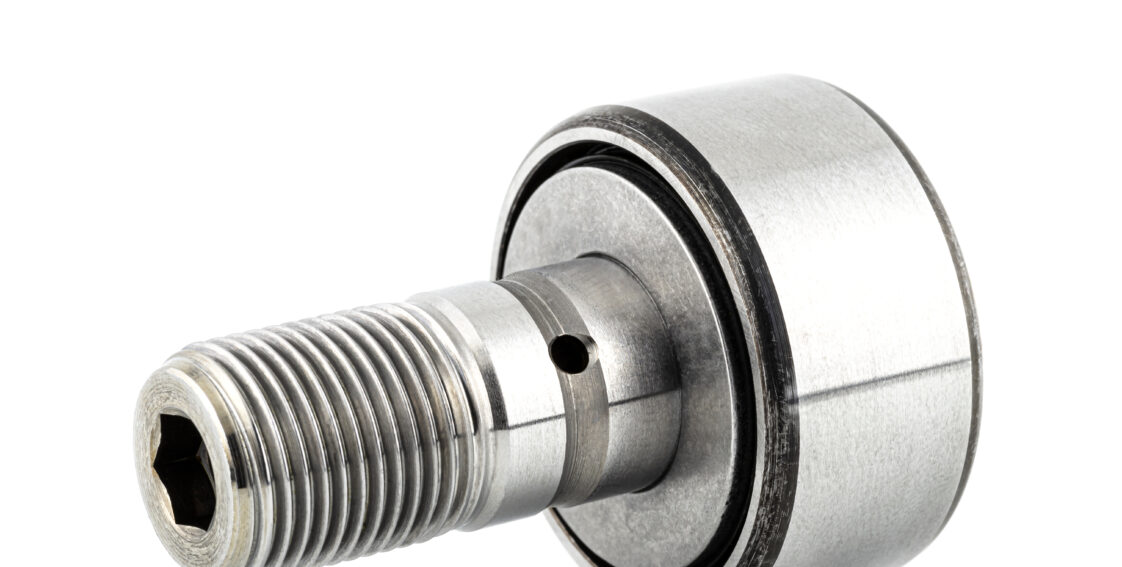
How does proper installation and alignment impact the performance and longevity of track bearings?
Proper installation and alignment play a critical role in the performance and longevity of track bearings. Correct installation ensures that the bearings are positioned and secured accurately, while proper alignment ensures that the load is distributed evenly and the bearings operate smoothly. Here’s an explanation of how proper installation and alignment impact the performance and longevity of track bearings:
Installation Impact:
- Load Distribution: Proper installation ensures that the track bearings are aligned and positioned correctly, allowing for even load distribution. When bearings are installed incorrectly, the load may be unevenly distributed, leading to excessive wear on certain parts of the bearings and reduced overall performance.
- Stability and Rigidity: Accurate installation provides stability and rigidity to the track bearings. Properly secured bearings minimize the risk of movement or vibration during operation, which can cause additional stress, premature wear, and potential damage to the bearings and surrounding components.
- Reduction of Misalignment: Correct installation minimizes the chances of misalignment between the track bearings and the track or guide rails. Misalignment can lead to uneven loading, increased friction, and accelerated wear and tear on the bearings. Proper alignment reduces these issues, ensuring smooth and efficient operation.
- Prevention of Contamination: During installation, it is important to take precautions to prevent contamination of the track bearings. Proper handling techniques, cleanliness, and the use of appropriate tools or protective measures help avoid introducing dirt, dust, or debris that can compromise the bearing’s performance and longevity.
Alignment Impact:
- Reduced Friction and Wear: Proper alignment of track bearings helps minimize friction and wear. When bearings are misaligned, excessive forces and irregular motion can occur, leading to increased friction and accelerated wear. Proper alignment ensures that the bearings operate within their intended design parameters, reducing friction and promoting longevity.
- Optimal Load Distribution: Correct alignment ensures that the load is distributed evenly across the track bearings. This prevents excessive stress on specific areas of the bearings, reducing the risk of premature failure and extending their service life. Optimal load distribution also contributes to smoother operation and improved overall performance.
- Minimized Noise and Vibration: Proper alignment helps minimize noise and vibration during operation. Misaligned track bearings can result in irregular motion, leading to unwanted noise and vibration that can affect the performance, comfort, and efficiency of the machinery or equipment. Proper alignment promotes smoother and quieter operation.
- Improved Efficiency: When track bearings are correctly aligned, the machinery or equipment experiences reduced resistance and improved efficiency. Misalignment can result in energy losses, increased power consumption, and decreased overall efficiency. Proper alignment ensures optimal power transfer and minimizes energy wastage.
It is important to follow the manufacturer’s guidelines and recommendations for the specific track bearings being installed. Proper installation techniques, including accurate positioning, secure fastening, and appropriate alignment, contribute to the optimal performance, reliability, and longevity of track bearings in various applications.
How do track bearings enhance the overall efficiency and functionality of linear motion systems?
Track bearings play a crucial role in enhancing the overall efficiency and functionality of linear motion systems. They offer several benefits that contribute to improved performance, increased reliability, and enhanced functionality. Here’s a detailed explanation:
- Reduced Friction: Track bearings are designed to minimize friction between moving components, allowing for smoother and more efficient linear motion. By reducing friction, they help to optimize the efficiency of the system, reducing energy consumption and minimizing wear on the components.
- Precision and Stability: Track bearings provide precise guidance and stability to the linear motion system. They ensure accurate and repeatable motion along the intended path, allowing for precise positioning and control. This is particularly important in applications that require high accuracy, such as CNC machines, robotics, and automated assembly lines.
- Load Distribution: Track bearings distribute the load evenly along their length, allowing for efficient load transfer and reducing the concentration of forces on specific components. This helps to prevent excessive wear, deformation, and premature failure of the system, improving overall reliability and longevity.
- Handling Heavy Loads: Track bearings are specifically designed to handle heavy loads in linear motion systems. They offer high load capacities and robust construction, enabling them to support and move heavy objects with ease. This capability is essential in industries such as material handling, construction, and transportation.
- Smooth and Quiet Operation: Track bearings are engineered to provide smooth and quiet operation, minimizing noise and vibrations in the linear motion system. This is especially important in applications where noise reduction and comfort are critical, such as in medical equipment, office automation, and consumer electronics.
- Versatility and Adaptability: Track bearings come in various designs, sizes, and configurations to accommodate different linear motion system requirements. They can be easily integrated into existing systems or customized to fit specific applications. This versatility allows for greater flexibility and adaptability in designing and implementing linear motion solutions.
- Maintenance and Serviceability: Track bearings are designed for ease of maintenance and serviceability. They often feature removable components, such as seals or shields, that allow for inspection, cleaning, and lubrication. This simplifies maintenance tasks and reduces downtime, contributing to improved overall system efficiency and uptime.
By incorporating track bearings into linear motion systems, industries can benefit from increased efficiency, improved performance, and enhanced functionality. Whether it’s achieving precise positioning, handling heavy loads, reducing friction, or ensuring smooth operation, track bearings play a vital role in optimizing the overall efficiency and functionality of linear motion systems.
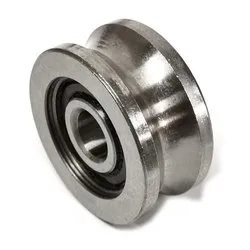
Can you explain the different types of track bearings used in industrial and mechanical systems?
Track bearings, also known as track rollers or track follower bearings, come in various types to suit different industrial and mechanical system requirements. Let’s explore the different types of track bearings commonly used in these applications:
- Yoke Type Track Rollers: Yoke type track rollers are a popular type of track bearing characterized by their thick outer rings. They are designed to handle high radial loads and moderate axial loads. Yoke type track rollers feature an inner ring with a stud for mounting on a shaft or stud. They are widely used in applications such as conveyors, cam mechanisms, material handling systems, and agricultural machinery.
- Stud Type Track Rollers: Stud type track rollers are similar to yoke type track rollers but lack an inner ring. Instead, they have a stud that serves as the mounting component. Stud type track rollers are suitable for applications with limited space or where the outer ring can be directly mounted onto a mating surface. They are commonly used in applications such as cam mechanisms, indexing equipment, and tensioning systems.
- Cam Followers: Cam followers, also known as cam bearings or track followers, are track bearings designed specifically for cam-driven systems. They have a stud or shaft for mounting and a built-in roller or needle bearing. Cam followers follow the profile of a cam, converting the rotary motion of the cam into linear or oscillating motion. They are used in applications such as printing presses, packaging machinery, textile machinery, and automotive engines.
- Guiding Track Rollers: Guiding track rollers are track bearings designed to provide precise and guided linear motion. They feature a thick outer ring with a track or guide surface. Guiding track rollers are commonly used in material handling systems, conveyor systems, and automated machinery to facilitate smooth and controlled movement along a track or guide rail.
- V-Groove Track Rollers: V-groove track rollers have a specialized V-shaped groove on the outer ring. This groove allows the rollers to run on V-shaped tracks or rails, providing accurate alignment and guidance. V-groove track rollers are used in applications such as track systems, sliding gates, and linear motion guides.
- Flanged Track Rollers: Flanged track rollers feature an additional flange on the outer ring. The flange helps in axial guidance and prevents the track roller from shifting or tilting under axial loads. Flanged track rollers are commonly used in applications such as cam mechanisms, linear motion systems, and conveyor systems.
- Idler Track Rollers: Idler track rollers are non-powered track rollers used to support and guide conveyor belts, chains, or other moving components. They are typically used in material handling systems, conveyor systems, and packaging machinery.
These different types of track bearings offer versatility and flexibility in industrial and mechanical systems. Depending on the specific application requirements, engineers and designers can select the most suitable type of track bearing to ensure smooth motion, reliable operation, and efficient load support. The choice of track bearing type depends on factors such as load capacity, space constraints, track configuration, and environmental conditions.


editor by CX 2024-05-13