Product Description
DETA
ZheJiang Leicester Bearing Technology Co., Ltd. is a specialized manufacturer that produces various types of bearings, including cylindrical roller bearings (7 series, 97 series, 3007 series, 20097 series), British standard tapered roller bearings, deep groove ball bearings, spherical plain bearings, self-aligning roller bearings, rolling mill bearings, and a variety of non-standard bearings.
At our core, we believe in “Quality, Creating Value,” and we have gained the trust and support of customers both domestically and internationally by delivering high-quality products.
In 2002, we received certification from the China Import and Export Product Quality Verification Center and obtained ISO 9001, ISO 2000, and IATF 16949 quality management system certifications. Our successful collaborations with renowned domestic and international enterprises have made us reliable and stable suppliers. Moreover, we have provided bearing components to well-known bearing manufacturers worldwide.
PRODUCT OVERVIEW
| Baaring No | Dimension[mm | Bearing Na. | Dimension(mm | ||||||||||||
| d | D | B | d | D | T | ||||||||||
| N410 | NF410 | NU410 | NJ410 | NUP410 | 50 | 30 | 31 | NJ2230 | 50 | 270 | 73 | ||||
| N411 | NF411 | NU411 | NJ411 | NUP411 | 55 | 40 | 33 | NU2232 | NJ2232 | 60 | 290 | 80 | |||
| N412 | NF412 | NU412 | NJ412 | NUP412 | 65 | 50 | 35 | NU2234 | NJ2234 | 70 | 310 | 86 | |||
| N413 | NF413 | NU413 | NJ413 | NUP413 | 70 | 160 | 37 | 15 | 35 | 18 | |||||
| N414 | NF414 | NU414 | NJ414 | NUP414 | 75 | 80 | 42 | N2302 | 17 | 47 | 21 | ||||
| N415 | NF415 | NU415 | NJ415 | NUP415 | 0 | 90 | 45 | N2303 | NU2305 | NJ2305 | 25 | 62 | 24 | ||
| N416 | NF416 | NU416 | NJ416 | NUP416 | 5 | 200 | 48 | N2305 | NJ2306 | 30 | 72 | 27 | |||
| N417 | NF417 | NU417 | NJ417 | NUP417 | 90 | 210 | 52 | N2306 | NJ2307 | NUP2307 | 35 | 80 | 31 | ||
| N418 | NF418 | NU418 | NJ418 | NUP418 | 95 | 225 | 54 | NU2308 | NJ2308 | NUP2308 | 40 | 90 | 33 | ||
| NU419 | NJ419 | 100 | 240 | 55 | N2309 | NU2309 | NJ2309 | NUP2309 | 45 | 00 | 36 | ||||
| NU420 | NJ420 | 17 | 250 | 58 | NU2310 | NJ2310 | NUP2310 | 50 | 110 | 40 | |||||
| N2203 | NF2200 | NU2203 | NJ2203 | NUP2200 | 20 | 40 | 16 | NU2311 | NJ2311 | NUP2311 | 55 | 20 | 43 | ||
| N2204 | NF2204 | NU2204 | NJ2204 | NUP2204 | 25 | 47 | 18 | N2312 | NU2312 | NJ2312 | 60 | 130 | 46 | ||
| N2205 | NF2205 | NU2206 | NJ2205 | NUP2205 | 30 | 52 | 18 | N2313 | NU2313 | NJ2313 | 65 | 40 | 48 | ||
| N2206 | NF2206 | NU2206 | NJ2206 | NUF2206 | 35 | 62 | 20 | N2314 | NU2314 | NJ2314 | NUP2314 | 70 | 50 | 51 | |
| N2207 | NF2207 | NU2207 | NJ2207 | NUP2207 | 40 | 72 | 23 | N2315 | NU2315 | NJ2315 | 75 | 160 | 55 | ||
| N2208 | NF2208 | NU2208 | NJ2208 | NUP2208 | 45 | 80 | 23 | N2316 | NU2316 | NJ2316 | 80 | 170 | 58 | ||
| N2209 | NF2209 | NU2209 | NJ2209 | NUF2209 | 50 | 85 | 23 | N2317 | NU2317 | NJ2317 | 85 | 80 | 60 | ||
| N2210 | NF2210 | NU2210 | NJ2210 | NUP2210 | 55 | 90 | 23 | N2318 | NU2318 | NJ2318 | 90 | 90 | 64 | ||
| N2211 | NF2211 | NU2211 | NJ2211 | NUF2211 | 60 | 00 | 25 | N2319 | NU2319 | NJ2319 | 95 | 200 | 67 | ||
| N2212 | NF2212 | NU2212 | NJ2212 | NUP2212 | 65 | 110 | 28 | N2320 | NU2320 | NJ2320 | 00 | 215 | 73 | ||
| N2213 | NF2213 | NU2213 | NJ2213 | NUP2213 | 70 | 20 | 31 | N2322 | NU2322 | NJ2322 | 10 | 240 | 80 | ||
| N2214 | NF2214 | NU2214 | NJ2214 | NUP2214 | 75 | 125 | 31 | ||||||||
| N2215 | NF2215 | NU2215 | NJ2215 | NUP2215 | 0 | 30 | 31 | ||||||||
| N2216 | NF2216 | NU2216 | NJ2216 | NUP2216 | 85 | 140 | 33 | ||||||||
| N2217 | NF2217 | NU2217 | NJ2217 | NUP2217 | 90 | 50 | 36 | ||||||||
| N2218 | NF221 | NU2218 | NJ2218 | NUP2218 | 95 | 60 | 40 | ||||||||
| N2219 | NF2219 | NU2219 | NJ2219 | NUP221 | 100 | 70 | 43 | ||||||||
| N2220 | NF2220 | NU2220 | NJ2220 | NUF2220 | 110 | 80 | 46 | ||||||||
| N2222 | NF2222 | NU2222 | NJ2222 | NUP2222 | 20 | 200 | 53 | ||||||||
| N2224 | NF2224 | NU2224 | NJ2224 | NUP2224 | 130 | 215 | 58 | ||||||||
| N2226 | NF2226 | NU2226 | NJ2226 | NUP2226 | 140 | 230 | 64 | ||||||||
| NU2228 | NJ2228 | 250 | 68 | ||||||||||||
Cylindrical roller bearings have rollers that provide a modified line contact with the cylindrical inner and outer ring raceways, while the rollers are guided by ground CZPT on either the inner or outer ring. The cylindrical shape allows the inner ring to have axial movement relative to the outer ring. This is especially important when accommodating thermal expansion, where both rings must be press-fitted.
Cylindrical roller bearings feature high radial load capacity because the rollers and raceway are in linear contact. These bearings are suitable for applications that involve heavy radial and impact loading. They are also appropriate for high-speed applications inasmuch as they can be machined very accurately due to their structure. Having a separable inner or outer ring, these bearings can be easily mounted and dismounted.
Detailed Photos
OUR PRODUCTS
SCOPE OF APPLICATION
PRODUCTION PROCESS
PRODUCT PACKAGING
1.industrial packing+industrial cartons+pallets
2.single brand box+brand cartons+pallets
3.follow customer’s requests
A.Plastic Tubes or Single Boxes ( Usually 10pcs in 1 plastic tube for steel bearings);
B.Cartons ( No more than 30kg for 1 carton );
C. Pallet ( Usually more than 400kg totally will use pallet )
D. Delivery time :7-35 days ( by sea or by air )
Generally,We will choose the most suitable packing method for products. If you have any special requirements for packing, please contact us in advance.
Company Profile
“Reliable quality, competitive prices, and excellent service” have always been our guiding principles. We have implemented a stringent quality control system, starting from raw material procurement to product manufacturing. Our company boasts a strong technical team, well-equipped testing facilities, and a robust ability to develop new products. With a commitment to delivering high-quality products and maintaining a good reputation, we aim to earn the trust of more customers.
ZheJiang Leicester Bearing Technology Co., Ltd. warmly welcomes both new and existing customers for discussions, guidance, and collaboration. We are eager to establish direct sales partnerships with businesses in various industries, both within the country and internationally.
As we embrace our dreams and uphold our values, honesty remains the foundation of our company. ZheJiang Leicester Bearing Technology Co., Ltd. looks forward to creating a bright future together with you!
OUR STRENGTHS
Q1: Can I get some samples?
A: Yes, sample order is available for quality check and market test. But you have to pay the sample cost and express cost. Q2
: Do you receive customized order?
A: Yes, ODM & OEM are welcomed.
Q3: What’s the lead time?
A: According to the order quantity, small order usually need 3-5 days, big order need negotiation.
Q4: What’s your payment terms?
A: We receive Escrow, T/T, West Union, Cash and etc.
/* January 22, 2571 19:08:37 */!function(){function s(e,r){var a,o={};try{e&&e.split(“,”).forEach(function(e,t){e&&(a=e.match(/(.*?):(.*)$/))&&1
| Rolling Body: | Roller Bearings |
|---|---|
| The Number of Rows: | Single |
| Outer Dimension: | Small and Medium-Sized (60-115mm) |
| Samples: |
US$ 0.1/Piece
1 Piece(Min.Order) | Order Sample |
|---|
| Customization: |
Available
| Customized Request |
|---|
.shipping-cost-tm .tm-status-off{background: none;padding:0;color: #1470cc}
|
Shipping Cost:
Estimated freight per unit. |
about shipping cost and estimated delivery time. |
|---|
| Payment Method: |
|
|---|---|
|
Initial Payment Full Payment |
| Currency: | US$ |
|---|
| Return&refunds: | You can apply for a refund up to 30 days after receipt of the products. |
|---|
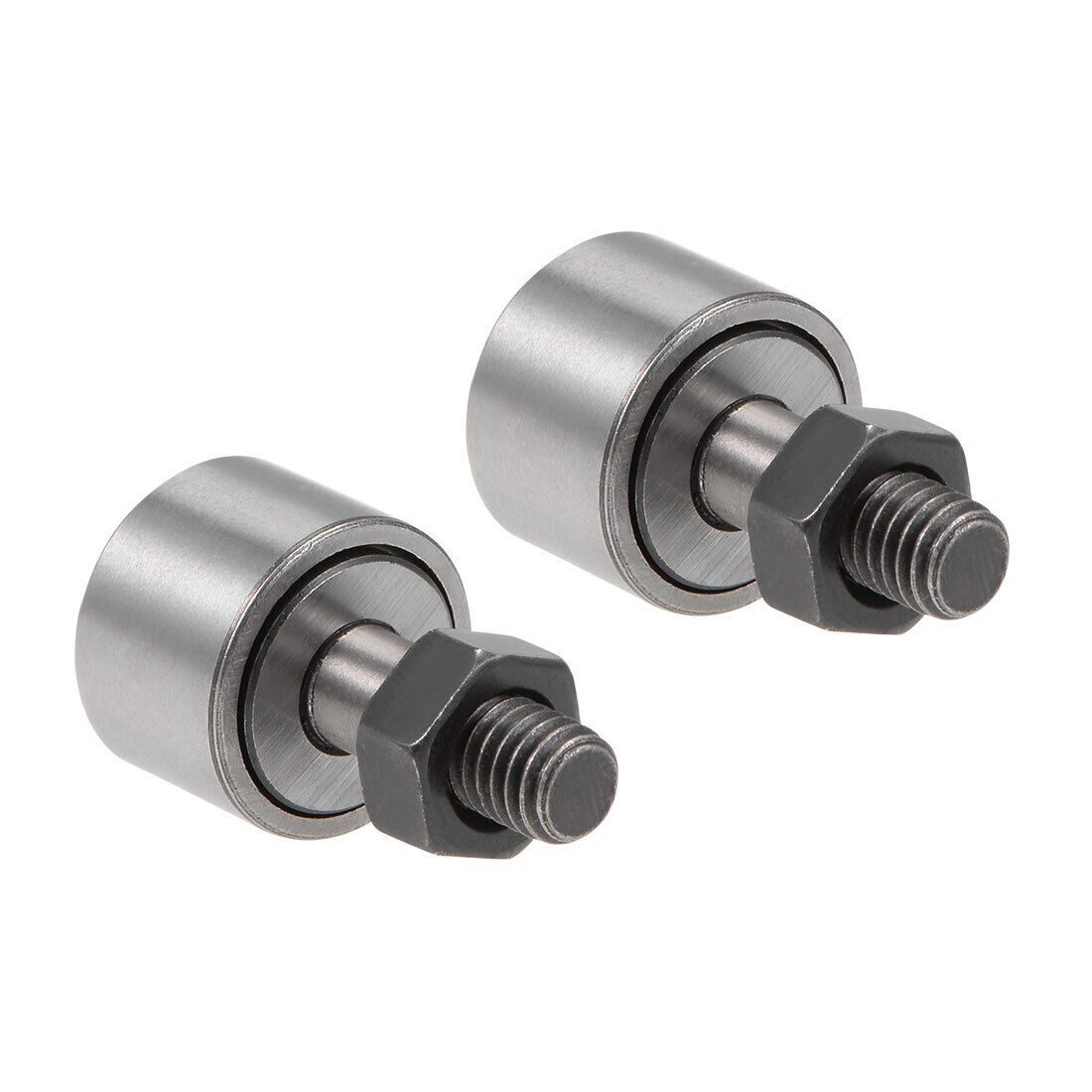
What are the considerations for selecting the right track bearings for a particular application?
Selecting the right track bearings for a particular application requires careful consideration of various factors to ensure optimal performance, reliability, and longevity. Here are the key considerations to keep in mind:
- Load Requirements: Assess the expected load conditions in the application. Consider both the static and dynamic loads that the track bearings will need to support. Determine the maximum load capacity required to ensure that the selected bearings can handle the anticipated loads without premature failure or excessive wear.
- Speed and Acceleration: Evaluate the speed and acceleration requirements of the application. Higher speeds and rapid accelerations can impose additional stresses on the track bearings. Choose bearings with suitable speed and acceleration ratings to ensure they can operate effectively within the desired range without compromising performance or causing premature wear.
- Environmental Factors: Consider the operating environment of the application. Evaluate factors such as temperature extremes, moisture, dust, chemicals, and potential exposure to corrosive substances. Select track bearings that are designed to withstand the specific environmental conditions to ensure optimal performance and longevity.
- Track and Rail Compatibility: Assess the compatibility of the track bearings with the existing track or rail system. Consider factors such as track geometry, dimensional requirements, and mounting options. Ensure that the selected bearings are suitable for the specific track or rail design to facilitate proper installation, alignment, and smooth operation.
- Maintenance and Lubrication: Evaluate the maintenance and lubrication requirements of the track bearings. Consider factors such as the need for regular maintenance, lubrication intervals, and the availability of suitable lubricants. Choose bearings that align with the desired maintenance practices and provide appropriate lubrication options based on the application’s operational demands.
- Expected Lifespan and Reliability: Determine the desired lifespan and reliability expectations for the track bearings. Consider factors such as the projected operating hours, duty cycles, and the criticality of the application. Select bearings from reputable manufacturers known for producing high-quality, reliable products that align with the expected lifespan and reliability requirements.
- Cost Considerations: Evaluate the cost-effectiveness of the track bearings. Consider the initial purchase cost as well as the long-term costs associated with maintenance, replacement, and potential downtime. Strive for a balance between the upfront investment and the overall value provided by the bearings in terms of performance, reliability, and longevity.
It is essential to consult with bearing manufacturers or industry experts who can provide guidance and recommendations based on the specific application requirements. By considering these factors and seeking expert advice, you can select the right track bearings that best meet the needs of your particular application.
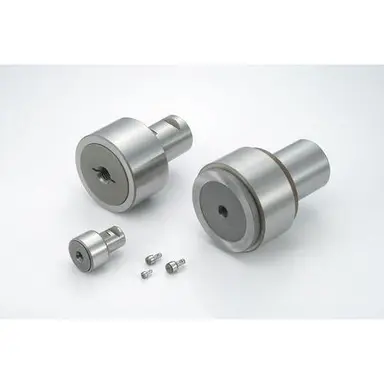
Can track bearings withstand harsh environments or exposure to contaminants?
Track bearings are designed to operate in a wide range of environments, including harsh conditions and exposure to contaminants. However, the ability of track bearings to withstand such environments depends on their specific design, materials, and protective measures. Here’s a detailed explanation:
Many track bearings are engineered with features that enhance their resistance to harsh environments and contaminants. These features may include:
- Sealing and Shielding: Some track bearings are equipped with seals or shields that provide a physical barrier against contaminants such as dirt, dust, water, and debris. These seals or shields help prevent the entry of contaminants into the bearing’s internal components, reducing the risk of damage and premature wear.
- Corrosion Resistance: Track bearings intended for use in corrosive environments are often constructed from materials that offer high corrosion resistance. Stainless steel, for example, is commonly used due to its ability to withstand exposure to moisture, chemicals, and other corrosive substances.
- Specialized Coatings: Some track bearings may feature specialized coatings or surface treatments that provide additional protection against contaminants and harsh conditions. These coatings can enhance the bearing’s resistance to corrosion, abrasion, and chemical exposure.
- High-Temperature Capability: Certain track bearings are designed to withstand high-temperature environments. They are typically constructed using heat-resistant materials and lubricants that can maintain their structural integrity and performance even under extreme heat.
- Environmental Sealing: In applications where track bearings are exposed to extreme conditions, such as underwater or in highly dusty environments, special environmental sealing measures may be employed. These measures can include the use of advanced sealing technologies or the encapsulation of the bearings within protective housings.
While track bearings are designed to withstand harsh environments and exposure to contaminants, it is important to note that their performance and longevity can still be affected over time. Regular maintenance, including cleaning, inspection, and lubrication, is crucial to ensure proper functioning and to mitigate the impact of contaminants on the bearings.
It is recommended to consult the manufacturer’s specifications and guidelines for the track bearings being used in a specific application. Manufacturers often provide information on the environmental ratings and limits of their bearings, helping users determine the suitability of the bearings for particular harsh environments or exposure to contaminants.
By selecting track bearings with appropriate features, materials, and protection, and by implementing proper maintenance practices, it is possible to enhance the bearings’ ability to withstand harsh environments and exposure to contaminants, thereby maximizing their performance and longevity.
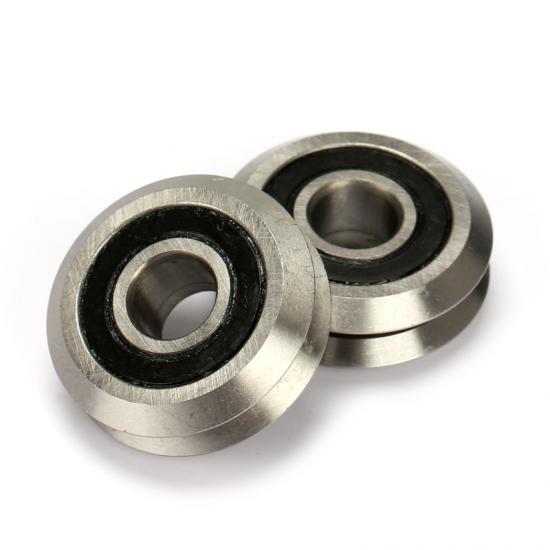
Can you describe the load-carrying capacity and load ratings of track bearings?
Track bearings are designed to withstand and carry various types of loads while maintaining smooth and controlled motion along a track or guide rail. The load-carrying capacity and load ratings of track bearings are crucial factors to consider when selecting the appropriate bearing for a specific application. Let’s delve into these concepts:
Load-Carrying Capacity:
The load-carrying capacity of a track bearing refers to its ability to support and distribute the applied loads without excessive deformation or failure. It is influenced by several factors, including the bearing’s design, materials, and operating conditions. The load-carrying capacity is typically specified in terms of static load capacity and dynamic load capacity.
The static load capacity indicates the maximum load that a track bearing can support without permanent deformation. It is determined by the bearing’s internal geometry, material strength, and the contact area between the rolling elements and raceways. Static loads are those that do not cause relative motion between the bearing and the track, such as when the bearing is stationary or subjected to a constant load.
The dynamic load capacity represents the maximum load that a track bearing can handle while still allowing smooth rolling motion. It takes into account the bearing’s ability to handle both radial and axial loads and considers factors such as the bearing’s internal clearance, lubrication, and operating speed. Dynamic loads are those that cause relative motion between the bearing and the track, such as when the bearing is subjected to varying loads or subjected to motion along the track.
Load Ratings:
Load ratings provide standardized values that indicate the maximum allowable loads for track bearings based on industry standards. These load ratings are commonly provided by bearing manufacturers and help users select the appropriate bearing for their specific application requirements. The two primary load ratings used for track bearings are the radial load rating and the axial load rating.
The radial load rating specifies the maximum radial load that a track bearing can withstand while maintaining proper performance and service life. It is expressed as a static load rating and a dynamic load rating. The static radial load rating indicates the maximum radial load that the bearing can support without permanent deformation, while the dynamic radial load rating represents the maximum radial load that the bearing can handle under typical operating conditions.
The axial load rating indicates the maximum axial load that a track bearing can withstand without excessive deformation or failure. It considers the applied axial force in the direction perpendicular to the track or guide rail. The axial load rating is typically provided as a static load rating and a dynamic load rating.
It’s important to note that load ratings are based on specific operating conditions, such as a certain speed, lubrication, and temperature. It is necessary to consider the actual operating conditions and factors such as shock loads, vibrations, and misalignments when applying load ratings to real-world applications.
By understanding the load-carrying capacity and load ratings of track bearings, engineers and designers can make informed decisions to ensure reliable and safe performance of the bearings in their applications.


editor by CX 2024-05-14