Product Description
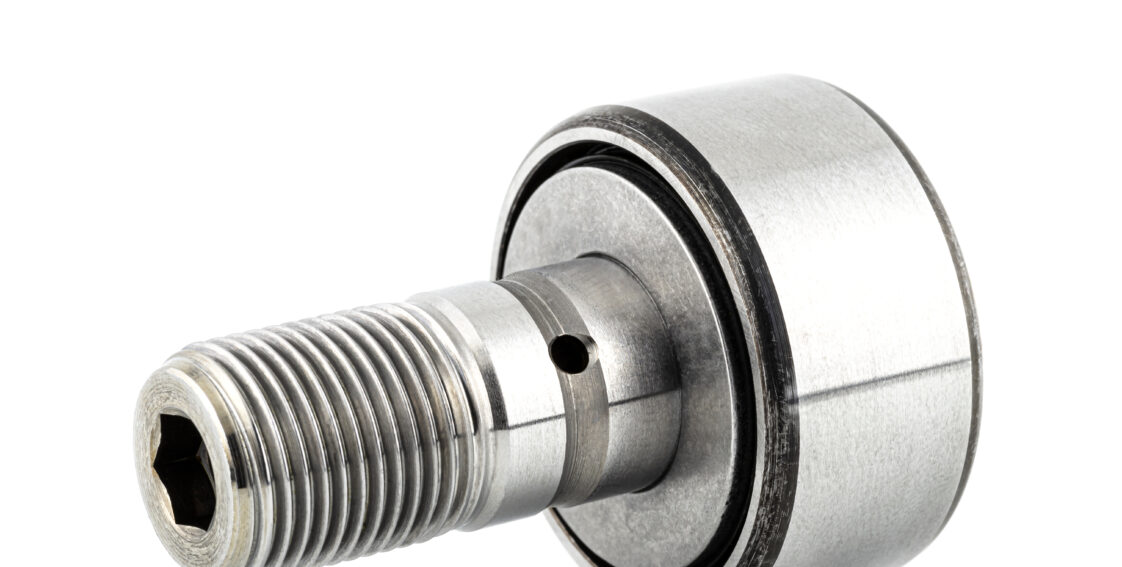
Single roller cam follower KR16-PP stud type track rollers bearing
NO 1. our adwantages
1. 14 years bearing products manufacturing and exporting experiences.
2. OEM order and non-standard bearing order can be accepted.
3. Many sizes of bearing are available. Large quantity bearing can be provided.
4. To respect customers, you can choose the loading port.
5. A certain number of free sample can be provide to support our customer’s after-sale services and warranty.
NO 2. OEM all brand bearing
NO 3. Cylindrical roller bearing Specification:
| Seals Types | OPEN |
| Vibration Level | Z1V1,Z2V2,Z3V3 |
| Clearance | C2,C0,C3,C4,C5 |
| Tolerance Codes | ABEC-1,ABEC-3,ABEC-5 |
| Materral | GCr15-China/AISI52100-USA/Din100Cr6-Germany |
| MOQ | 1Set at least |
| Delivery Time | Stock or 5-15 days after contract |
| Payment Terms | TT/PAPAL/WESTERN UNION |
| Package | Tube package+outer carton+pallets; Single box+outer carton+pallets; Tube packge+middle box+outer carton+pallets; According to your requirement |
NO 3. Rolling Mill Bearing Models and Size:
| Model | D | d | H |
| KR16-PP | 16 | 6 | 28 |
| KR16-SK-PP | 16 | 6 | 28 |
| KR19-PP | 19 | 8 | 32 |
| KR19-SK-PP | 19 | 8 | 32 |
| KR22-PP | 22 | 10 | 36 |
| KR26-PP | 26 | 10 | 36 |
| KR30-PP | 30 | 12 | 40 |
| KR32-PP | 32 | 12 | 40 |
| KR35-PP | 35 | 16 | 52 |
| KR40-PP | 40 | 18 | 58 |
| KR47-PP | 47 | 20 | 66 |
| KR52-PP | 52 | 20 | 66 |
| KR62-PP | 62 | 24 | 80 |
| KR72-PP | 72 | 24 | 80 |
| KR80-PP | 80 | 30 | 100 |
| KR90-PP | 90 | 30 | 100 |
| KR16 | 16 | 6 | 28 |
| KR19 | 19 | 8 | 32 |
| KR22 | 22 | 10 | 36 |
| KR26 | 26 | 10 | 36 |
| KR30 | 30 | 12 | 40 |
| KR32 | 32 | 12 | 40 |
| KR35 | 35 | 16 | 52 |
| KR40 | 40 | 18 | 58 |
| KRE16-PP | 16 | 9 | 28 |
| KRE19-PP | 19 | 11 | 32 |
| KRE22-PP | 22 | 13 | 36 |
| KRE26-PP | 26 | 13 | 36 |
| KRE30-PP | 30 | 15 | 40 |
| KRE32-PP | 32 | 15 | 40 |
| KRE35-PP | 35 | 20 | 52 |
| KRE40-PP | 40 | 22 | 58 |
| KRE47-PP | 47 | 24 | 66 |
| KRE52-PP | 52 | 24 | 66 |
| KRE62-PP | 62 | 28 | 80 |
| KRE72-PP | 72 | 28 | 80 |
| KRE80-PP | 80 | 35 | 100 |
| KRE90-PP | 90 | 35 | 100 |
| KRV16-PP | 16 | 6 | 28 |
| KRV19-PP | 19 | 8 | 32 |
| KRV22-PP | 22 | 10 | 36 |
| KRV26-PP | 26 | 10 | 36 |
| KRV30-PP | 30 | 12 | 40 |
| KRV32-PP | 32 | 12 | 40 |
| KRV35-PP | 35 | 16 | 52 |
| KRV40-PP | 40 | 18 | 58 |
| KRV47-PP | 47 | 20 | 66 |
| KRV52-PP | 52 | 20 | 66 |
| KRV62-PP | 62 | 24 | 80 |
| KRV72-PP | 72 | 24 | 80 |
| KRV80-PP | 80 | 30 | 100 |
| KRV90-PP | 90 | 30 | 100 |
| NUKR35 | 35 | 16 | 52 |
| NUKR40 | 40 | 18 | 58 |
| NUKR47 | 47 | 20 | 66 |
| NUKR52 | 52 | 20 | 66 |
| NUKR62 | 62 | 24 | 80 |
| NUKR72 | 72 | 24 | 80 |
| NUKR80 | 80 | 30 | 100 |
| NUKR90 | 90 | 30 | 100 |
| NUKRE35 | 35 | 20 | 52 |
| NUKRE40 | 40 | 22 | 58 |
| NUKRE47 | 47 | 24 | 66 |
| NUKRE52 | 52 | 24 | 66 |
| NUKRE62 | 62 | 28 | 80 |
| NUKRE72 | 72 | 28 | 80 |
| NUKRE80 | 80 | 35 | 100 |
| NUKRE90 | 90 | 35 | 100 |
| PWKR35-2RS-XL | 35 | 16 | 52 |
| PWKR40-2RS-XL | 40 | 18 | 58 |
| PWKR47-2RS-XL | 47 | 20 | 66 |
| PWKR52-2RS-XL | 52 | 20 | 66 |
| PWKR62-2RS-XL | 62 | 24 | 80 |
| PWKR72-2RS-XL | 72 | 24 | 80 |
| PWKR80-2RS-XL | 80 | 30 | 100 |
| PWKR90-2RS-XL | 90 | 30 | 100 |
| PWKR35-2RS-RR-XL | 35 | 16 | 52 |
| PWKR40-2RS-RR-XL | 40 | 18 | 58 |
| PWKR47-2RS-RR-XL | 47 | 20 | 66 |
| PWKR52-2RS-RR-XL | 52 | 20 | 66 |
| PWKR62-2RS-RR-XL | 62 | 24 | 80 |
| PWKR72-2RS-RR-XL | 72 | 24 | 80 |
| PWKR80-2RS-RR-XL | 80 | 30 | 100 |
| PWKR90-2RS-RR-XL | 90 | 30 | 100 |
| PWKRE35-2RS | 35 | 20 | 52 |
| PWKRE40-2RS | 40 | 22 | 58 |
| PWKRE47-2RS | 47 | 24 | 66 |
| PWKRE52-2RS | 52 | 24 | 66 |
| PWKRE62-2RS | 62 | 28 | 80 |
| PWKRE72-2RS | 72 | 28 | 80 |
| PWKRE80-2RS | 80 | 35 | 100 |
| PWKRE90-2RS | 90 | 35 | 100 |
Why Choose Us:
We are an industrial and trading company.We have our own brand: SFNB .If you interested in our product,I can take you to visit our factory.
Our factory have advanced testing equipment,before the every product leave the factory,we will be testing.We can send samples to you,you can test the quality,and if you accept the sample quality,we can promise: the follow-up orders’ quality will be the same as samples.
About ordinary standard type of bearing ,We have rich inventory,not have MOQ,if your need a product is Non-standard size,need customize,we will according the product size to determine the MOQ.
Our company can accept OEM,you can send sample to me,we can manufacturing products the same as sample.Meanwhile,we also can accept some well-known brands of OEM,
If the amount of money is less,you can pay it by Paypal .Of course you can payment by TT or Western Union etc. /* January 22, 2571 19:08:37 */!function(){function s(e,r){var a,o={};try{e&&e.split(“,”).forEach(function(e,t){e&&(a=e.match(/(.*?):(.*)$/))&&1
| Rolling Body: | Roller Bearings |
|---|---|
| The Number of Rows: | Single |
| Outer Dimension: | Micro(≤26mm) |
| Material: | Bearing Steel |
| Spherical: | Non-Aligning Bearings |
| Load Direction: | Radial Bearing |
| Customization: |
Available
| Customized Request |
|---|
How does proper installation and alignment impact the performance and longevity of track bearings?
Proper installation and alignment play a critical role in the performance and longevity of track bearings. Correct installation ensures that the bearings are positioned and secured accurately, while proper alignment ensures that the load is distributed evenly and the bearings operate smoothly. Here’s an explanation of how proper installation and alignment impact the performance and longevity of track bearings:
Installation Impact:
- Load Distribution: Proper installation ensures that the track bearings are aligned and positioned correctly, allowing for even load distribution. When bearings are installed incorrectly, the load may be unevenly distributed, leading to excessive wear on certain parts of the bearings and reduced overall performance.
- Stability and Rigidity: Accurate installation provides stability and rigidity to the track bearings. Properly secured bearings minimize the risk of movement or vibration during operation, which can cause additional stress, premature wear, and potential damage to the bearings and surrounding components.
- Reduction of Misalignment: Correct installation minimizes the chances of misalignment between the track bearings and the track or guide rails. Misalignment can lead to uneven loading, increased friction, and accelerated wear and tear on the bearings. Proper alignment reduces these issues, ensuring smooth and efficient operation.
- Prevention of Contamination: During installation, it is important to take precautions to prevent contamination of the track bearings. Proper handling techniques, cleanliness, and the use of appropriate tools or protective measures help avoid introducing dirt, dust, or debris that can compromise the bearing’s performance and longevity.
Alignment Impact:
- Reduced Friction and Wear: Proper alignment of track bearings helps minimize friction and wear. When bearings are misaligned, excessive forces and irregular motion can occur, leading to increased friction and accelerated wear. Proper alignment ensures that the bearings operate within their intended design parameters, reducing friction and promoting longevity.
- Optimal Load Distribution: Correct alignment ensures that the load is distributed evenly across the track bearings. This prevents excessive stress on specific areas of the bearings, reducing the risk of premature failure and extending their service life. Optimal load distribution also contributes to smoother operation and improved overall performance.
- Minimized Noise and Vibration: Proper alignment helps minimize noise and vibration during operation. Misaligned track bearings can result in irregular motion, leading to unwanted noise and vibration that can affect the performance, comfort, and efficiency of the machinery or equipment. Proper alignment promotes smoother and quieter operation.
- Improved Efficiency: When track bearings are correctly aligned, the machinery or equipment experiences reduced resistance and improved efficiency. Misalignment can result in energy losses, increased power consumption, and decreased overall efficiency. Proper alignment ensures optimal power transfer and minimizes energy wastage.
It is important to follow the manufacturer’s guidelines and recommendations for the specific track bearings being installed. Proper installation techniques, including accurate positioning, secure fastening, and appropriate alignment, contribute to the optimal performance, reliability, and longevity of track bearings in various applications.
What innovations or advancements have been made in track bearing technology?
Track bearing technology has seen several innovations and advancements over the years, driven by the need for improved performance, increased reliability, and enhanced functionality. Here are some notable innovations in track bearing technology:
- Advanced Materials: The development of new materials has significantly improved the performance and longevity of track bearings. Materials such as ceramic, hybrid ceramics, and high-performance steels offer enhanced strength, corrosion resistance, and temperature stability, making them suitable for demanding applications.
- Improved Sealing Solutions: Sealing technology has advanced to provide better protection against contaminants, moisture, and other environmental factors. Innovative seal designs and materials, including labyrinth seals, triple lip seals, and specialized coatings, help keep track bearings clean and extend their service life.
- Enhanced Lubrication: Lubrication plays a crucial role in the performance and lifespan of track bearings. Advancements in lubrication technology, such as the development of high-performance greases and solid lubricants, have improved the efficiency, reliability, and maintenance requirements of track bearings.
- Integrated Sensor Systems: Track bearings can now incorporate integrated sensor systems to monitor various parameters such as temperature, vibration, and load. These sensors provide real-time data on bearing health and performance, enabling predictive maintenance strategies and early detection of potential issues.
- Smart Bearing Technology: Smart bearing technology combines sensor systems with advanced data analytics and connectivity capabilities. These bearings can communicate wirelessly with monitoring systems, enabling remote monitoring, condition-based maintenance, and optimization of operational parameters for improved performance and efficiency.
- Design Optimization: Computer-aided design (CAD) and finite element analysis (FEA) tools have revolutionized the design process for track bearings. These tools allow for precise modeling, simulation, and optimization of bearing geometries, materials, and load capacities, resulting in improved performance, reduced weight, and enhanced reliability.
- Application-Specific Customization: With advancements in manufacturing processes, track bearings can now be customized to meet the specific requirements of different applications. Manufacturers can tailor bearing designs, materials, and coatings to optimize performance, reliability, and compatibility with unique operating conditions.
These innovations and advancements in track bearing technology have collectively contributed to improved performance, extended service life, and enhanced functionality in a wide range of industries and applications. They continue to drive progress in the field, enabling track bearings to meet the evolving demands of modern industrial systems.
Are there specific materials commonly used in the construction of track bearings?
Yes, specific materials are commonly used in the construction of track bearings to ensure their durability, load-carrying capacity, and resistance to various operating conditions. Let’s discuss the materials commonly used for different components of track bearings:
- Outer and Inner Rings: The outer and inner rings of track bearings are typically made from high-quality bearing steels such as chrome steel (e.g., AISI 52100) or stainless steel. These materials offer excellent strength, hardness, and wear resistance. Chrome steel is the most commonly used material due to its favorable combination of mechanical properties and cost-effectiveness. In some cases, specialized alloys or heat-treated steels may be used to enhance specific properties like corrosion resistance or high-temperature performance.
- Rolling Elements: The rolling elements in track bearings are commonly made from bearing-grade steel or ceramic materials. Bearing-grade steel, similar to the materials used for the outer and inner rings, offers high strength and wear resistance. Ceramic materials, such as silicon nitride (Si3N4) or zirconia (ZrO2), are also used in certain applications where their advantages, such as high hardness, low density, and resistance to corrosion and high temperatures, are desired.
- Cage: The cage in track bearings is typically made from materials such as steel, brass, or engineered polymers. Steel cages are commonly used due to their strength and durability. Brass cages offer good corrosion resistance and are suitable for certain operating environments. Engineered polymers, such as polyamide (nylon), are used in applications where low friction, noise reduction, or lightweight design is desired.
- Seals or Shields: The seals or shields used in track bearings are made from various materials depending on the specific requirements. Common materials include rubber or synthetic elastomers for seals, and steel or stainless steel for shields. These materials provide effective protection against contaminants while maintaining proper lubrication within the bearing assembly.
- Lubrication: Lubricants used in track bearings can vary depending on the application and operating conditions. Common lubrication options include mineral oils, synthetic oils, and greases. The lubricant’s formulation is carefully chosen to provide adequate lubrication, reduce friction and wear, and protect against corrosion and contamination.
Overall, the choice of materials for track bearings is influenced by factors such as load requirements, operating conditions (including temperature and moisture levels), desired lifespan, and cost considerations. By selecting appropriate materials for each component, track bearings can deliver reliable performance and extended service life in a wide range of industrial and mechanical applications.


editor by CX 2024-03-29