Product Description
Composite roller bearings, also known as combined roller bearings, were first designed by Europeans.
Composite roller bearings are assembled from axial and radial roller bearings, reducing bearing volume, simplifying installation structure, and thus reducing manufacturing costs. CZPT roller bearings have a relatively large radial and axial bearing capacity, and their accessories are highly replaceable. They are increasingly used in various gantry lifting systems.
Composite roller bearings mainly consist of the following parts:
(1) Shaft head
The installation method of CZPT roller bearings is welding, which involves welding the shaft head to a plate with a circular hole, and then assembling it with the gantry;
(2) Main roller
The main roller is the main load-bearing body in CZPT roller bearings, mainly bearing vertical loads, requiring strong wear resistance, corrosion resistance, and impact resistance. At the same time, the main roller can also be used as a single direction bearing, as it is a roller bearing with a fully loaded roller structure;
(3) Side roller
The side roller is the secondary load-bearing body in CZPT roller bearings, mainly bearing horizontal loads, and also requires strong wear resistance, corrosion resistance, and impact resistance. The side roller is essentially a roller bearing without an inner ring and filled with needle rollers. Inside the CZPT roller bearing, it is fitted together through a spindle and shaft head;
(4) Cover plate
Install the main side roller shaft heads together to form a whole;
Assembly method of CZPT roller bearings:
The side roller is installed inside the shaft head through a spindle, the main roller is sleeved outside the shaft head, and the cover plate is fixed by a nut at the tail of the shaft head, ultimately fixing several parts together.
PRODUCTS CATALOGUE
| Part No | D mm. | T mm. | d -0.05 mm. | H mm. | h mm. | B mm. | A mm. | S mm. | r mm. | C KN | COKN | COAKN | r/pm max. | Weight kg |
| 4.053 | 52,5 | 40 | 30 | 33,0 | 27,0 | 17 | 5,0 | 15 | 2 | 24,0 | 32,0 | 7 | 800 | 0,46 |
| 4.054 | 62,5 | 42 | 30 | 37,5 | 30,5 | 20 | 2,5 | 20 | 3 | 31,0 | 35,5 | 11 | 900 | 0,53 |
| 4.055 | 70,1 | 48 | 35 | 44,0 | 36,0 | 23 | 2,5 | 22 | 4 | 45,5 | 51,0 | 14 | 900 | 0,80 |
| 4.056 | 77,7 | 54 | 40 | 48,0 | 36,5 | 23 | 3,0 | 26 | 4 | 48,0 | 56,8 | 18 | 800 | 1,00 |
| 4.057 | 77,7 | 53 | 40 | 40,0 | 29,0 | 23 | 3,0 | 26 | 4 | 48,0 | 56,8 | 18 | 800 | 0,87 |
| 4.058 | 88,4 | 59 | 45 | 57,0 | 44,0 | 30 | 3,5 | 26 | 3 | 68,0 | 72,0 | 23 | 750 | 1,62 |
| 4.059 | 101,2 | 67 | 50 | 46,0 | 33,0 | 28 | 3,0 | 30 | 3 | 73,0 | 82,0 | 27 | 700 | 1,74 |
| 4.06 | 107,7 | 71 | 55 | 54,0 | 39,0 | 31 | 3,0 | 34 | 5 | 81,0 | 95,0 | 36 | 650 | 2,27 |
| 4.061 | 107,7 | 71 | 60 | 69,0 | 55,0 | 31 | 4,0 | 34 | 5 | 81,0 | 95,0 | 36 | 650 | 2,82 |
| 4.062 | 123,0 | 80 | 60 | 72,3 | 56,0 | 37 | 5,0 | 40 | 5 | 110,0 | 132,0 | 50 | 550 | 3,89 |
| 4.063 | 149,0 | 103 | 60 | 78,5 | 58,5 | 43 | 5,5 | 50 | 3 | 151,0 | 192,0 | 71 | 450 | 6,52 |
/* March 10, 2571 17:59:20 */!function(){function s(e,r){var a,o={};try{e&&e.split(“,”).forEach(function(e,t){e&&(a=e.match(/(.*?):(.*)$/))&&1
| Cage: | With Cage |
|---|---|
| Rows Number: | Single |
| Load Direction: | Both Radial and Thrust |
| Samples: |
US$ 70/Set
1 Set(Min.Order) | Order Sample |
|---|
.shipping-cost-tm .tm-status-off{background: none;padding:0;color: #1470cc}
|
Shipping Cost:
Estimated freight per unit. |
about shipping cost and estimated delivery time. |
|---|
| Payment Method: |
|
|---|---|
|
Initial Payment Full Payment |
| Currency: | US$ |
|---|
| Return&refunds: | You can apply for a refund up to 30 days after receipt of the products. |
|---|
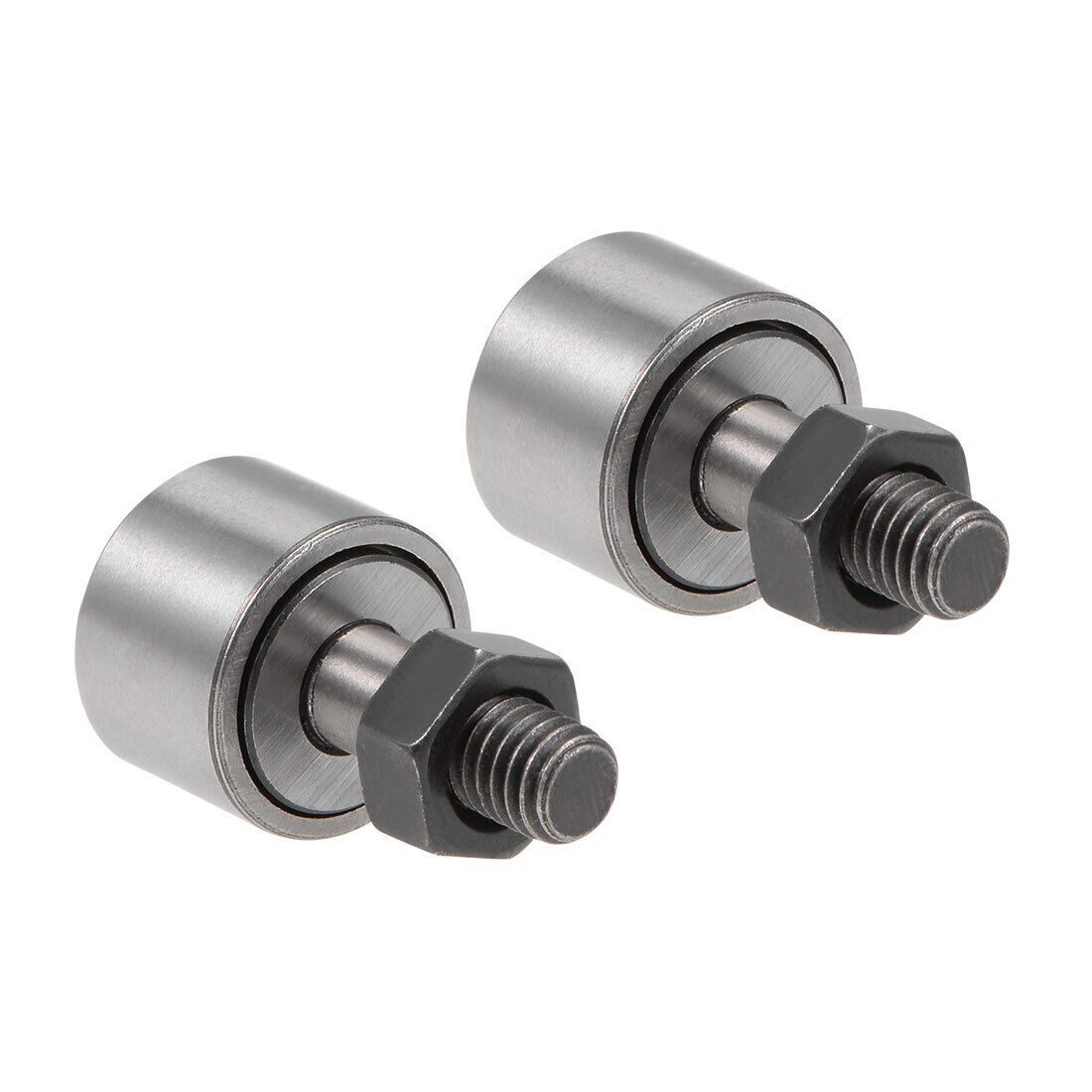
What are the considerations for selecting the right track bearings for a particular application?
Selecting the right track bearings for a particular application requires careful consideration of various factors to ensure optimal performance, reliability, and longevity. Here are the key considerations to keep in mind:
- Load Requirements: Assess the expected load conditions in the application. Consider both the static and dynamic loads that the track bearings will need to support. Determine the maximum load capacity required to ensure that the selected bearings can handle the anticipated loads without premature failure or excessive wear.
- Speed and Acceleration: Evaluate the speed and acceleration requirements of the application. Higher speeds and rapid accelerations can impose additional stresses on the track bearings. Choose bearings with suitable speed and acceleration ratings to ensure they can operate effectively within the desired range without compromising performance or causing premature wear.
- Environmental Factors: Consider the operating environment of the application. Evaluate factors such as temperature extremes, moisture, dust, chemicals, and potential exposure to corrosive substances. Select track bearings that are designed to withstand the specific environmental conditions to ensure optimal performance and longevity.
- Track and Rail Compatibility: Assess the compatibility of the track bearings with the existing track or rail system. Consider factors such as track geometry, dimensional requirements, and mounting options. Ensure that the selected bearings are suitable for the specific track or rail design to facilitate proper installation, alignment, and smooth operation.
- Maintenance and Lubrication: Evaluate the maintenance and lubrication requirements of the track bearings. Consider factors such as the need for regular maintenance, lubrication intervals, and the availability of suitable lubricants. Choose bearings that align with the desired maintenance practices and provide appropriate lubrication options based on the application’s operational demands.
- Expected Lifespan and Reliability: Determine the desired lifespan and reliability expectations for the track bearings. Consider factors such as the projected operating hours, duty cycles, and the criticality of the application. Select bearings from reputable manufacturers known for producing high-quality, reliable products that align with the expected lifespan and reliability requirements.
- Cost Considerations: Evaluate the cost-effectiveness of the track bearings. Consider the initial purchase cost as well as the long-term costs associated with maintenance, replacement, and potential downtime. Strive for a balance between the upfront investment and the overall value provided by the bearings in terms of performance, reliability, and longevity.
It is essential to consult with bearing manufacturers or industry experts who can provide guidance and recommendations based on the specific application requirements. By considering these factors and seeking expert advice, you can select the right track bearings that best meet the needs of your particular application.
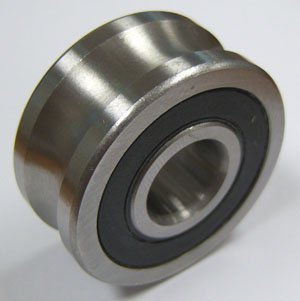
How do track bearings contribute to the precision, accuracy, and reliability of motion control systems?
Track bearings play a crucial role in enhancing the precision, accuracy, and reliability of motion control systems. They provide several key contributions that ensure smooth and consistent linear motion. Here’s a detailed explanation:
- Precision Guidance: Track bearings offer precise guidance for linear motion systems. They are designed with close tolerances and accurate geometries, allowing for accurate positioning and control of the moving components. This precision guidance ensures that the desired motion is achieved with minimal deviation or error.
- Smooth and Consistent Motion: By minimizing friction and providing smooth rolling or sliding surfaces, track bearings enable smooth and consistent motion in motion control systems. They reduce the effects of irregularities, misalignments, or vibrations, resulting in smoother operation and improved accuracy.
- Repeatable Performance: Track bearings provide repeatable performance in motion control systems. They offer consistent and predictable motion characteristics, allowing for precise and repeatable positioning of the moving components. This repeatability is essential in applications that require high accuracy and consistency, such as CNC machining, semiconductor manufacturing, and precision measurement systems.
- Load Distribution: Track bearings distribute the load evenly along their length, helping to minimize stress concentrations on specific components. This even load distribution improves the overall stability and reliability of the motion control system. It reduces the risk of component failure, deformation, or excessive wear, contributing to enhanced system reliability.
- Minimized Play and Backlash: Track bearings are designed to minimize play and backlash, which are undesirable movements or clearances between components. Play and backlash can introduce inaccuracies and reduce the precision of motion control systems. Track bearings with tight tolerances and optimized designs help minimize these undesirable effects, ensuring precise and accurate motion.
- Stiffness and Rigidity: Track bearings provide stiffness and rigidity to the motion control system. They resist deflection and maintain their shape under load, minimizing any unwanted flexing or bending. This stiffness enhances the overall stability and precision of the system, allowing for precise control and accurate motion even under varying loads or external forces.
- Resistance to Contamination: Track bearings are often equipped with seals or shields to protect against contaminants such as dirt, dust, or liquids. This protection helps maintain the precision and reliability of the motion control system by preventing the ingress of particles that could interfere with the smooth operation of the bearings or cause premature wear and failure.
By incorporating track bearings into motion control systems, industries can benefit from improved precision, accuracy, and reliability. Whether it’s achieving precise positioning, ensuring consistent and repeatable motion, minimizing play and backlash, or providing reliable load distribution, track bearings contribute to the overall performance and integrity of motion control systems.
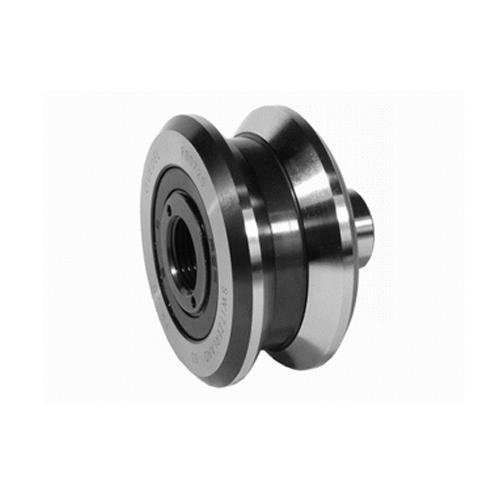
What are the components of a track bearing assembly and their functions?
A track bearing assembly consists of several components that work together to facilitate smooth and controlled motion along a track or guide rail. Let’s explore the components of a typical track bearing assembly and their functions:
- Outer Ring: The outer ring is the outermost component of a track bearing assembly. It provides structural support and houses the rolling elements. The outer ring is designed with a track or guide surface that interfaces with the track or rail, allowing the bearing to move along the desired path.
- Inner Ring: The inner ring is located inside the outer ring and provides a mounting surface for the bearing assembly. It may have a stud or shaft for attaching the bearing to the application. The inner ring helps in aligning and positioning the bearing assembly.
- Rolling Elements: The rolling elements are the components that enable smooth rolling motion between the inner and outer rings. In track bearings, the rolling elements are typically in the form of rollers or needles. They are designed to minimize friction and distribute the load evenly along the track surface.
- Cage: The cage, also known as a retainer, is a component that holds the rolling elements in position and maintains proper spacing between them. The cage prevents the rolling elements from contacting each other, reducing friction and wear. It also helps in guiding the rolling elements during operation.
- Seals or Shields: Track bearings often incorporate seals or shields to protect the internal components from contaminants such as dirt, dust, and moisture. Seals provide a physical barrier between the bearing and the external environment, while shields offer partial protection while allowing some lubrication to reach the rolling elements.
- Lubrication: Proper lubrication is crucial for the smooth operation and longevity of track bearings. Lubrication reduces friction, dissipates heat, and prevents wear between the rolling elements and raceways. Lubricants can be applied through grease fittings or oil ports, ensuring that the rolling elements roll smoothly along the track surface.
- Mounting Hardware: Depending on the specific design and application requirements, track bearing assemblies may include mounting hardware such as studs, bolts, or fasteners. These components are used to securely attach the bearing assembly to the application, ensuring proper alignment and stability.
By combining these components, a track bearing assembly provides reliable and controlled motion along a track or guide rail. The outer and inner rings, along with the rolling elements and cage, enable smooth rolling motion, while seals or shields protect the internal components from contaminants. Proper lubrication and mounting hardware ensure optimal performance and longevity of the track bearing assembly.


editor by CX 2024-02-26