Product Description
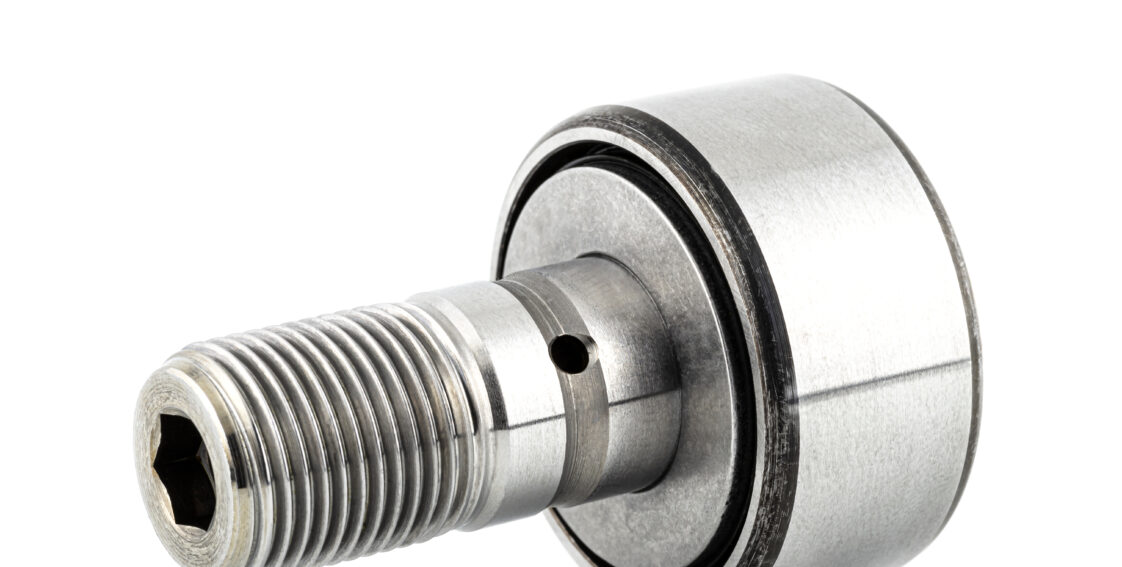
CF30 UU CF30-2 BUU Cam follower CZPT Track Roller Bearing CF30BUU
| Cylindrical Roller Bearings
|
Spherical Roller Bearings |
Needle Roller Bearings |
| Tapered Roller Bearings
|
Crossed Slewing bearing | Thrust Roller Bearings |
Detailed Photos
Products Details
HOJE offers a wide range of needle roller bearings including needle roller & cage assemblies, drawn cups,s and solid needle roller bearings. They can also be specified as cam followers and track roller bearings by applications. The major application markets include automotive, consumer products, and general industrial goods. Conveyor, Power Tool, Money Counter, and Home Appliance.
NEEDLE ROLLER AND CAGE ASSEMBLY
(K, K‥T2, K‥S, K‥ZW, KMJ, KMJ‥S, KJ‥S, KV‥S,PCJ….. Series)
A needle roller and cage assembly include needle rollers and a cage that guides and retains the rollers.
— These assemblies use both the shaft and housing as raceway surfaces. Consequently, the cross-sectional thickness of the assembly is small, roughly equivalent to the diameter of the needle rollers.
— Because this bearing type has no inner or outer rings, the installation is much easier.
— These assemblies are available in both single-row and double-row configurations.
— As long as the tolerance limits of the shaft and housing are satisfied, the bearing radial internal clearance can be adjusted.
This bearing type is used for connecting rods in compact and mid-sized internal combustion engines (e.g. outboard engines and multipurpose engines), as well as reciprocating compressors.
DRAWN-CUP NEEDLE ROLLER BEARING
(HK, HK‥ZWD, HMK, HMK‥ZWD, BK, BK‥ZWD…… Series)
This bearing type includes an outer ring and needle rollers, which are both drawn from special thin steel plates by precision deep drawing, and a cage that guides the needle rollers precisely.
— This bearing product comprises an outer ring formed through a precision deep-drawing process from a thin special steel blank; needle rollers; and a cage that guides the rollers.
— A hardened and ground shaft or inner ring (IR Series) is used as the raceway.
— This bearing needs no axial clamping due to easy installation and a press-fit in the housing.
— Both a closed-end type to close around the end of the shaft and an open-end type are available.
— Furthermore, a type with a seal installed on a single side or on both sides is also available.
— The standard type includes a needle roller and cage assembly. In addition to this type, a special type with full complement rollers is available as an option.
MACHINED-RING NEEDLE ROLLER BEARINGS
(RNA48, RNA49, RNA59, RNA69, NK, NKS,NA48, NA49, NA59, NA69, NK+IR, NKS+IR ……Series)
This product mainly includes machined components – an outer ring and inner ring, needle rollers, and a cage that guides the rollers. In this bearing, the cage or needle rollers are guided by the rib or side plate of the outer ring. Consequently, the roller and cage assembly cannot be separated from the outer ring.
— Available in both metric dimensions and inch dimensions.
— This product is best-suited to a space-saving design due to its low section height, and large load capacity.
— Another advantage is high rigidity and high bearing accuracy due to the machined outer ring
— This bearing can be used with a housing made of light metal, because of its highly rigid outer ring. (Other than NKS small-size products)
— The outer ring has a lubrication hole and lubrication groove.
— Both single-row and double-row types are available.
— A type with a seal installed on a single side or on both sides is also available.
THRUST NEEDLE ROLLER BEARINGS
(AXK11, AS11, WS811, GS811,811, 812, 893, 874, K811, K812, K893…… Series)
The product is comprised of a needle or cylindrical rollers, a cage that guides and retains the rollers, and a disk-shaped bearing ring, and is capable of holding an axial load in 1 direction. The mounting surface can be used as a raceway surface when the mounting surface is beat-treated and finished. As a result, the bearing can be supplied without bearing ring raceways.
— Space Saving Design: Best-suited to save space because of its small section height and large load capacity.
— Bearing Types: Currently available bearing ring types are AS, WS, GS, and ZS. The AS type consists of a thin steel disk having undergone surface hardening, while the WS, GS, and ZS types are machined.
— Bi-Direction Axial Loading: This bearing can support large axial loads from both sides.
— Application: This complex bearing is designed to support a machine tool precision ball screw.
CYLINDRICAL NEEDLE ROLLER ROLLER FOLLOWERS
(NA22, RNAB2, NAB2, NATR, NUTR2, NUTW, NATV, NACV…… Series)
The track roller bearing is a needle roller bearing with a thick outer ring, which is applied to the cam roller, CZPT roller, eccentric roller, or rocker’s arm. The track roller bearings are mainly categorized into a stud-type track roller bearing (cam follower) and a yoke-type track roller bearing (roller follower). Various types of roller followers and cam followers are available.
— The bearing type with a cage is suitable for comparatively high-speed running because its rollers are guided by the cage.
— Having more rollers relative to a given size, a full complement roller type boasts greater load capacity.
— The outer surface is available in both spherical (crowning) profile and cylindrical profile.
— This cam follower (bearing) is selectively available in both metric and inch sizes.
— The stud is either a recessed head type allowing the use of a screwdriver or a hexagon socket head type so as to be mounted and adjusted easily
Packaging & Shipping
| Packaging | |
| 1)Commercial Bearings packaging: 1pc/plastic bag + color box + carton + pallet | |
| 2)Industrial Bearings packaging | |
| 3)According to the requirement of customers | |
| Payment | |
| 1) T/T:30% deposit, 70% should be paid before shipment. | |
| 2) L/C at sight. (high bank charge, not suggested, but acceptable ) | |
| 3) 100% Western Union in advance. (especially for air shipment or small amounts) | |
| Delivery | |
| 1) Less than 45 KGS, we will send by express. ( Door to Door, Convenient ) | |
| 2) Between 45 – 200 KGS, we will send by air transport. ( Fastest and safest, but expensive ) | |
| 3) More than 200 KGS, we will send by sea. ( Cheapest, but long time ) | |
Company Profile
HangZhou HOJE Bearing Co., LTD Specializing in the manufacture and sales of bearings and bearing accessories, we mainly produce deep groove ball bearings, pillow block bearings, Cylindrical and Spherical Roller Bearings, tapered roller bearings, and related components. Our factory has the most advanced equipment, first-class mechanical professional and technical personnel, and one-stop automatic production from bearing raw materials to finished products. We are willing to provide excellent services for factories that produce industrial equipment, vehicles, electromechanical tools, home appliances, instrumentation, fitness equipment, leisure sports equipment, users of various types of mechanical equipment and civil machinery, and domestic and foreign traders and distributors.
Company Advantages
1. FREE SAMPLES: contact us by email or trade manager, and we will send the free samples according to your request.
2. World-Class Bearing: We provide our customers with all types of bearings of world-class quality.
3. OEM or Non-Stand Bearings: Any requirement for Non-standard bearings is Easily Fulfilled by us due to our vast knowledge and links in the industry.
4. Genuine products With Excellent Quality: Company has always proved the 100% quality products it provides with genuine intent.
5. After-Sales Service and Technical Assistance: Company provides after-sales service and technical assistance as per the customer’s requirements and needs.
6. Quick Delivery: The company provides just-in-time delivery with its streamlined supply chain.
7. Cost Saving: We provide long-life, shock-resistant, and high-reliability bearings with excellent quality and better performance. Resulting in increased cost savings.
8. Attending customer queries promptly: We believe that if customers are satisfied then it proves our worth well. Customers are always given quick support.
/* January 22, 2571 19:08:37 */!function(){function s(e,r){var a,o={};try{e&&e.split(“,”).forEach(function(e,t){e&&(a=e.match(/(.*?):(.*)$/))&&1
| Cage: | With Cage |
|---|---|
| Rows Number: | Single |
| Load Direction: | Radial Bearing |
| Style: | With Outer Ring, Without Inner Ring |
| Material: | Bearing Steel |
| Type: | Closed |
| Samples: |
US$ 0/Piece
1 Piece(Min.Order) | |
|---|
| Customization: |
Available
| Customized Request |
|---|
How does proper installation and alignment impact the performance and longevity of track bearings?
Proper installation and alignment play a critical role in the performance and longevity of track bearings. Correct installation ensures that the bearings are positioned and secured accurately, while proper alignment ensures that the load is distributed evenly and the bearings operate smoothly. Here’s an explanation of how proper installation and alignment impact the performance and longevity of track bearings:
Installation Impact:
- Load Distribution: Proper installation ensures that the track bearings are aligned and positioned correctly, allowing for even load distribution. When bearings are installed incorrectly, the load may be unevenly distributed, leading to excessive wear on certain parts of the bearings and reduced overall performance.
- Stability and Rigidity: Accurate installation provides stability and rigidity to the track bearings. Properly secured bearings minimize the risk of movement or vibration during operation, which can cause additional stress, premature wear, and potential damage to the bearings and surrounding components.
- Reduction of Misalignment: Correct installation minimizes the chances of misalignment between the track bearings and the track or guide rails. Misalignment can lead to uneven loading, increased friction, and accelerated wear and tear on the bearings. Proper alignment reduces these issues, ensuring smooth and efficient operation.
- Prevention of Contamination: During installation, it is important to take precautions to prevent contamination of the track bearings. Proper handling techniques, cleanliness, and the use of appropriate tools or protective measures help avoid introducing dirt, dust, or debris that can compromise the bearing’s performance and longevity.
Alignment Impact:
- Reduced Friction and Wear: Proper alignment of track bearings helps minimize friction and wear. When bearings are misaligned, excessive forces and irregular motion can occur, leading to increased friction and accelerated wear. Proper alignment ensures that the bearings operate within their intended design parameters, reducing friction and promoting longevity.
- Optimal Load Distribution: Correct alignment ensures that the load is distributed evenly across the track bearings. This prevents excessive stress on specific areas of the bearings, reducing the risk of premature failure and extending their service life. Optimal load distribution also contributes to smoother operation and improved overall performance.
- Minimized Noise and Vibration: Proper alignment helps minimize noise and vibration during operation. Misaligned track bearings can result in irregular motion, leading to unwanted noise and vibration that can affect the performance, comfort, and efficiency of the machinery or equipment. Proper alignment promotes smoother and quieter operation.
- Improved Efficiency: When track bearings are correctly aligned, the machinery or equipment experiences reduced resistance and improved efficiency. Misalignment can result in energy losses, increased power consumption, and decreased overall efficiency. Proper alignment ensures optimal power transfer and minimizes energy wastage.
It is important to follow the manufacturer’s guidelines and recommendations for the specific track bearings being installed. Proper installation techniques, including accurate positioning, secure fastening, and appropriate alignment, contribute to the optimal performance, reliability, and longevity of track bearings in various applications.
What innovations or advancements have been made in track bearing technology?
Track bearing technology has seen several innovations and advancements over the years, driven by the need for improved performance, increased reliability, and enhanced functionality. Here are some notable innovations in track bearing technology:
- Advanced Materials: The development of new materials has significantly improved the performance and longevity of track bearings. Materials such as ceramic, hybrid ceramics, and high-performance steels offer enhanced strength, corrosion resistance, and temperature stability, making them suitable for demanding applications.
- Improved Sealing Solutions: Sealing technology has advanced to provide better protection against contaminants, moisture, and other environmental factors. Innovative seal designs and materials, including labyrinth seals, triple lip seals, and specialized coatings, help keep track bearings clean and extend their service life.
- Enhanced Lubrication: Lubrication plays a crucial role in the performance and lifespan of track bearings. Advancements in lubrication technology, such as the development of high-performance greases and solid lubricants, have improved the efficiency, reliability, and maintenance requirements of track bearings.
- Integrated Sensor Systems: Track bearings can now incorporate integrated sensor systems to monitor various parameters such as temperature, vibration, and load. These sensors provide real-time data on bearing health and performance, enabling predictive maintenance strategies and early detection of potential issues.
- Smart Bearing Technology: Smart bearing technology combines sensor systems with advanced data analytics and connectivity capabilities. These bearings can communicate wirelessly with monitoring systems, enabling remote monitoring, condition-based maintenance, and optimization of operational parameters for improved performance and efficiency.
- Design Optimization: Computer-aided design (CAD) and finite element analysis (FEA) tools have revolutionized the design process for track bearings. These tools allow for precise modeling, simulation, and optimization of bearing geometries, materials, and load capacities, resulting in improved performance, reduced weight, and enhanced reliability.
- Application-Specific Customization: With advancements in manufacturing processes, track bearings can now be customized to meet the specific requirements of different applications. Manufacturers can tailor bearing designs, materials, and coatings to optimize performance, reliability, and compatibility with unique operating conditions.
These innovations and advancements in track bearing technology have collectively contributed to improved performance, extended service life, and enhanced functionality in a wide range of industries and applications. They continue to drive progress in the field, enabling track bearings to meet the evolving demands of modern industrial systems.
How do track bearings compare to other types of bearings like ball bearings or roller bearings?
Track bearings, ball bearings, and roller bearings are all types of rolling bearings used in various applications. Let’s compare track bearings to ball bearings and roller bearings to understand their similarities and differences:
- Design and Construction: Track bearings, ball bearings, and roller bearings have different designs and constructions. Track bearings, also known as track rollers or track follower bearings, are designed specifically for guided linear or rotational motion along a track or guide rail. They feature an outer ring with a track surface, an inner ring, rolling elements (such as rollers or needles), and a cage. Ball bearings, on the other hand, have spherical rolling elements (balls) sandwiched between inner and outer rings. Roller bearings, as the name suggests, have cylindrical or tapered rolling elements (rollers) between inner and outer rings.
- Motion and Load Handling: Track bearings are primarily used for guided motion in track-based systems, while ball bearings and roller bearings are used for general rotational or linear motion. Track bearings are designed to support both radial and axial loads and provide smooth and controlled motion along the track. Ball bearings and roller bearings are also capable of supporting radial and axial loads but are typically used in applications where the motion is not constrained to a specific track or guide rail. Roller bearings, with their larger contact area and higher load-carrying capacity, are often preferred for applications with higher loads.
- Applications: Track bearings are commonly used in applications such as material handling systems, conveyors, cam mechanisms, automated machinery, construction equipment, and agricultural machinery, where guided motion along a track or rail is required. Ball bearings and roller bearings find applications in a wide range of industries and systems, including electric motors, pumps, automotive applications, industrial machinery, and appliances.
- Friction and Efficiency: Track bearings, ball bearings, and roller bearings all aim to minimize friction and ensure efficient operation. However, due to their different designs and contact surfaces, they exhibit varying levels of friction. Ball bearings typically have lower friction due to point contact between the balls and the raceways. Roller bearings, especially tapered roller bearings, distribute the load over a larger contact area, resulting in slightly higher friction compared to ball bearings. Track bearings, with their track interface, may have slightly higher friction compared to ball bearings or roller bearings due to the rolling elements’ contact with the track surface.
- Installation and Maintenance: Track bearings, ball bearings, and roller bearings require proper installation and maintenance for optimal performance and longevity. However, track bearings may require additional attention during installation as they need to be properly aligned with the track or guide rail. Regular lubrication and periodic inspection are essential for all types of bearings to ensure smooth operation and prevent premature failure.
In summary, track bearings, ball bearings, and roller bearings have distinct designs and applications. Track bearings are specialized for guided motion along a track or rail, while ball bearings and roller bearings are more versatile and used in a wide range of rotational or linear motion applications. Each type of bearing has its advantages and considerations in terms of load handling, friction, efficiency, and installation requirements. Selecting the appropriate bearing type depends on the specific application requirements, load conditions, motion characteristics, and environmental factors.


editor by CX 2024-04-30