Product Description
CF24-1 KR72 Track Roller Bearings Cam Follower for Printing Machines
Description of CF24-1 KR72 Track Roller Bearings Cam Follower for Printing Machines
| Series | Description |
| NATR | Yoke type track rollers with axial guidance by washers,gap seal,with inner ring |
| NATR…PP | Yoke type track rollers with additional sealing rings |
| NATV | Yoke type track rollers with axial guidance by washers,full complement,gap seal,with inner ring |
| NATV…PP | Yoke type track rollers with additional sealing rings |
| NUTR | Yoke type track rollers with axial guidance by the rolling element,full complement,gap seal,with inner ring |
| KR | Stud type track rollers with axial guidance by rid and washer,gap seal |
| KR…PP | Stud type track rollers with sealing rings |
| KRE | Stud type track rollers with eccentric collar |
| KRE…PP | Stud type track rollers with eccentric collar and sealing rings |
| KRV | Stud type track rollers with axial guidance by rid and washer,full complement, gap seal |
| KRV…PP | Stud type track rollers with sealing rings |
| KRVE | Stud type track rollers with eccentric collar |
| KRVE…PP | Stud type track rollers with eccentric collar and sealing rings |
| NUKR | Stud type track rollers with axial guidance by the rolling element,full complement, gap seals |
| NUKRE | Stud type track rollers with eccentric collar |
| CF | Stud type track rollers with cage ,the same as KR series |
Catalogue of CF24-1 KR72 Track Roller Bearings Cam Follower for Printing Machines
|
Outside Diameter |
Bearing Designation and mass approx | Borndary Dimensions | ||||||||||||||
|
Without Eccentric Collar |
Mass |
With Ecctric Coollar |
Mass | D | d | C | B | B1 | B2 | G | G1 | M | M1 | C1 | d2 | |
| mm | g | g | mm | |||||||||||||
| 47 | KR 47 | 386 | KRE 47 | 405.5 | 47 | 20 | 24 | 66 | 40.5 | 9 | M20×1.5 | 21 | 8 | 4 | 0.8 | 37 |
| KR 47 PP | 386 | KRE 47 PP | 405.5 | 47 | 20 | 24 | 66 | 40.5 | 9 | M20×1.5 | 21 | 8 | 4 | 0.8 | 37 | |
| KRV 47 | 390 | KRVE 47 | 409.5 | 47 | 20 | 24 | 66 | 40.5 | 9 | M20×1.5 | 21 | 8 | 4 | 0.8 | 37 | |
| KRV 47 PP | 390 | KRVE 47 PP | 409.5 | 47 | 20 | 24 | 66 | 40.5 | 9 | M20×1.5 | 21 | 8 | 4 | 0.8 | 37 | |
| NUKR 47 | 380 | NUKPE 47 | 399.5 | 47 | 20 | 24 | 66 | 40.5 | 9 | M20×1.5 | 21 | 8 | 4 | 0.8 | 27 | |
| 52 | KR 52 | 461 | KRE 40 | 480.5 | 52 | 20 | 24 | 66 | 40.5 | 9 | M20×1.5 | 21 | 8 | 4 | 0.8 | 37 |
| KR 52 PP | 461 | KRE 52 PP | 480.5 | 52 | 20 | 24 | 66 | 40.5 | 9 | M20×1.5 | 21 | 8 | 4 | 0.8 | 37 | |
| KRV 52 | 465 | KRVE 52 | 484.5 | 52 | 20 | 24 | 66 | 40.5 | 9 | M20×1.5 | 21 | 8 | 4 | 0.8 | 37 | |
| KRV 52 PP | 465 | KRVE 52 PP | 484.5 | 52 | 20 | 24 | 66 | 40.5 | 9 | M20×1.5 | 21 | 8 | 4 | 0.8 | 37 | |
| NUKR 52 | 450 | NUKPE 52 | 469.5 | 52 | 20 | 24 | 66 | 49.5 | 9 | M20×1.5 | 21 | 8 | 4 | 0.8 | 31 | |
| 62 | KR 62 | 790 | KRE 62 | 818.2 | 62 | 24 | 29 | 80 | 49.5 | 11 | M24×1.5 | 25 | 8 | 4 | 0.8 | 44 |
| KR 62 PP | 790 | KRE 62 PP | 818.2 | 62 | 24 | 29 | 80 | 49.5 | 11 | M24×1.5 | 25 | 8 | 4 | 0.8 | 44 | |
| KRV 62 | 802 | KRVE 62 | 830.2 | 62 | 24 | 29 | 80 | 49.5 | 11 | M24×1.5 | 25 | 8 | 4 | 0.8 | 44 | |
| KRV 62 PP | 802 | KRVE 62 PP | 830.2 | 62 | 24 | 29 | 80 | 49.5 | 11 | M24×1.5 | 25 | 8 | 4 | 0.8 | 44 | |
| NUKR 62 | 795 | NUKPE 62 | 823.5 | 62 | 24 | 29 | 80 | 49.5 | 11 | M24×1.5 | 25 | 8 | 4 | 0.8 | 38 | |
| 72 | KR 72 | 1040 | KRE 72 | 1068.2 | 72 | 24 | 29 | 80 | 49.5 | 11 | M20×1.5 | 25 | 8 | 4 | 0.8 | 44 |
| KR 72 PP | 1040 | KRE 72 PP | 1068.2 | 72 | 24 | 29 | 80 | 49.5 | 11 | M24×1.5 | 25 | 8 | 4 | 0.8 | 44 | |
| KRV 72 | 1045 | KRVE 72 | 1073.2 | 72 | 24 | 29 | 80 | 49.5 | 11 | M24×1.5 | 25 | 8 | 4 | 0.8 | 44 | |
| KRV 72 PP | 1045 | KRVE 72 PP | 1073.2 | 72 | 24 | 29 | 80 | 49.5 | 11 | M24×1.5 | 25 | 8 | 4 | 0.8 | 44 | |
| NUKR 72 | 1200 | NUKPE 72 | 1038.2 | 72 | 24 | 29 | 80 | 49.5 | 11 | M24×1.5 | 25 | 8 | 4 | 0.8 | 44 | |
| 80 | KR 80 | 1550 | KRE 80 | 1610 | 80 | 30 | 35 | 100 | 63 | 15 | M30×1.5 | 32 | 8 | 4 | 1 | 53 |
| KR 80 PP | 1550 | KRE 80 PP | 1610 | 80 | 30 | 35 | 100 | 63 | 15 | M30×1.5 | 32 | 8 | 4 | 1 | 53 | |
| KRV 80 | 1561 | KRVE 80 | 1621 | 80 | 30 | 35 | 100 | 63 | 15 | M30×1.5 | 32 | 8 | 4 | 1 | 53 | |
| KRV 80 PP | 1561 | KRVE 80 PP | 1621 | 80 | 30 | 35 | 100 | 63 | 15 | M30×1.5 | 32 | 8 | 4 | 1 | 53 | |
| NUKR 80 | 1800 | NUKPE 80 | 1600 | 80 | 30 | 35 | 100 | 63 | 15 | M30×1.5 | 32 | 8 | 4 | 1 | 47 | |
| 85 | KR 85 | 1740 | KRE 85 | 1800 | 85 | 30 | 35 | 100 | 63 | 15 | M30×1.5 | 32 | 8 | 4 | 1 | 53 |
| KR 85 PP | 1740 | KRE 85 PP | 1800 | 85 | 30 | 35 | 100 | 63 | 15 | M30×1.5 | 32 | 8 | 4 | 1 | 53 | |
| 90 | KR 90 | 1950 | KRE 90 | 2571 | 90 | 30 | 35 | 100 | 63 | 15 | M30×1.5 | 32 | 8 | 4 | 1 | 53 |
| KR 90 PP | 1950 | KRE 90 PP | 2571 | 90 | 30 | 35 | 100 | 63 | 15 | M30×1.5 | 32 | 8 | 4 | 1 | 53 | |
| KRV 90 | 1970 | KRVE 90 | 2030 | 90 | 30 | 35 | 100 | 63 | 15 | M30×1.5 | 32 | 8 | 4 | 1 | 53 | |
| KRV 90 PP | 1970 | KRVE 90 PP | 2030 | 90 | 30 | 35 | 100 | 63 | 15 | M30×1.5 | 32 | 8 | 4 | 1 | 53 | |
| NUKR 90 | 2300 | NUKPE 90 | 2571 | 90 | 30 | 35 | 100 | 63 | 15 | M30×1.5 | 32 | 8 | 4 | 1 | 47 | |
Pictures
/* January 22, 2571 19:08:37 */!function(){function s(e,r){var a,o={};try{e&&e.split(“,”).forEach(function(e,t){e&&(a=e.match(/(.*?):(.*)$/))&&1
| Cage: | With Cage |
|---|---|
| Rows Number: | Single |
| Load Direction: | Radial Bearing |
| Style: | With Outer Ring |
| Material: | Bearing Steel |
| Type: | Closed |
| Customization: |
Available
| Customized Request |
|---|
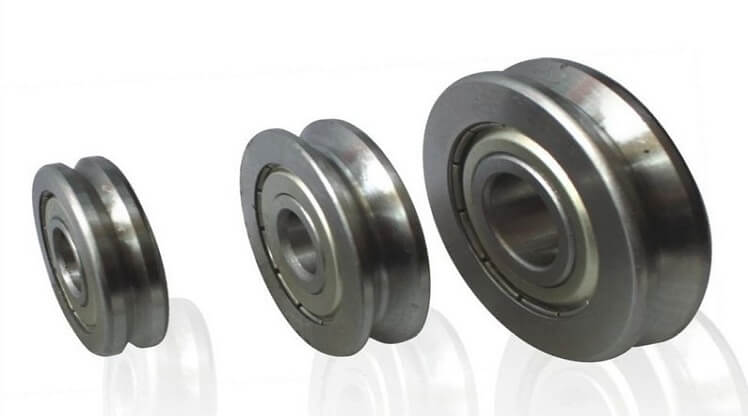
Can you explain the maintenance and lubrication requirements for track bearings?
Maintenance and lubrication are essential aspects of ensuring the optimal performance and longevity of track bearings. Proper maintenance practices and appropriate lubrication help minimize wear, reduce friction, prevent corrosion, and extend the service life of the bearings. Here’s an explanation of the maintenance and lubrication requirements for track bearings:
Maintenance Requirements:
- Cleanliness: It is crucial to maintain a clean operating environment for track bearings. Regularly remove dirt, dust, and debris from the track and bearing surfaces to prevent contamination, which can lead to premature wear and damage.
- Inspection: Periodically inspect the track bearings for signs of wear, damage, or misalignment. Check for excessive play, noise, or roughness during operation. If any issues are detected, take appropriate measures such as bearing replacement or realignment to ensure optimal performance.
- Tightening and Fasteners: Check the tightness of fasteners, such as bolts or screws, that secure the track bearings. Loose fasteners can lead to misalignment or instability. Ensure that all fasteners are properly tightened according to the manufacturer’s specifications.
- Track Alignment: Proper track alignment is crucial for smooth and efficient operation of track bearings. Regularly check the alignment of the track or guide rails and make necessary adjustments to maintain proper alignment, minimizing excessive loads and wear on the bearings.
- Load Limits: Adhere to the specified load limits for the track bearings. Exceeding the recommended load capacity can cause premature wear and failure. Consider the dynamic and static load ratings of the bearings to ensure they are not subjected to excessive loads that can compromise their performance.
Lubrication Requirements:
- Proper Lubricant Selection: Select the appropriate lubricant based on the operating conditions, such as temperature, load, and speed. Consult the manufacturer’s recommendations or seek expert advice to ensure the lubricant’s compatibility with the track bearings and the specific application.
- Regular Lubrication: Follow a regular lubrication schedule as recommended by the manufacturer. This may involve applying lubricant at specified intervals or based on the operating hours. Adequate lubrication helps minimize friction, reduce wear, and maintain proper functioning of the track bearings.
- Correct Lubrication Method: Apply the lubricant using the appropriate method, whether it’s manual greasing, automatic lubrication systems, or specialized lubrication techniques. Ensure that the lubricant reaches all necessary contact points and provides sufficient coverage to the bearing surfaces.
- Monitoring and Replenishment: Monitor the lubricant levels regularly and replenish as needed. In some cases, track bearings may have built-in lubrication systems that require periodic refilling or maintenance. Keep track of the lubricant condition and replace it when it becomes contaminated or degraded.
- Environmental Considerations: Consider the operating environment when selecting the lubricant. Extreme temperatures, exposure to moisture, or the presence of chemicals or contaminants may require special lubricants that can withstand these conditions and provide effective protection and lubrication.
It is important to consult the manufacturer’s guidelines and recommendations specific to the track bearings being used. Following the recommended maintenance and lubrication practices ensures optimal performance, reduces the risk of premature failure, and maximizes the overall lifespan of the track bearings.
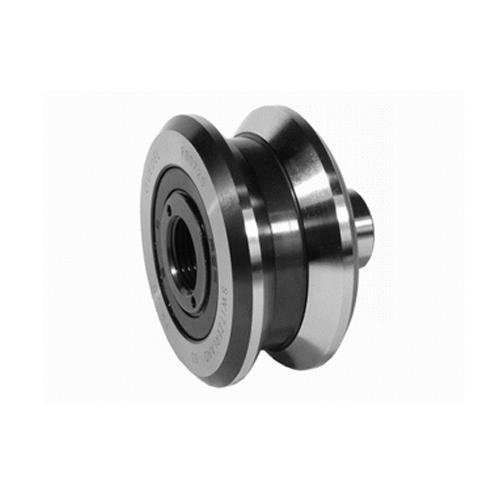
Can track bearings be used in both light-duty and heavy-duty machinery applications?
Yes, track bearings can be used in both light-duty and heavy-duty machinery applications. They are versatile components that offer reliable support for linear motion in a wide range of industrial settings. Here’s a detailed explanation:
1. Light-Duty Machinery Applications:
In light-duty machinery applications, track bearings provide cost-effective and efficient solutions for various tasks. Light-duty track bearings are designed to handle lower loads and are commonly used in applications such as:
- Office automation equipment
- Consumer electronics
- Printing machinery
- Small conveyors and material handling systems
- Automated vending machines
- Textile machinery
These applications typically involve lighter loads and lower operating speeds, making light-duty track bearings suitable for providing smooth and reliable linear motion.
2. Heavy-Duty Machinery Applications:
Track bearings are also widely used in heavy-duty machinery applications that require robust components capable of handling substantial loads and challenging operating conditions. Heavy-duty track bearings are designed to withstand higher loads and offer increased durability. They are commonly employed in applications such as:
- Material handling equipment
- Construction machinery
- Mining equipment
- Transportation systems
- Industrial automation
- Large-scale conveyors
- Steel mills
These applications often involve heavy loads, high operating speeds, and demanding environments. Track bearings in heavy-duty machinery applications are engineered to provide reliable performance, extended service life, and resistance to factors such as contamination, shock, and vibration.
Track bearings are available in various sizes, designs, and load capacities, allowing them to be tailored to the specific requirements of both light-duty and heavy-duty machinery applications. Manufacturers offer a range of options to accommodate different load capacities, operating conditions, and performance specifications.
It is important to consider the specific requirements and operating conditions of the machinery application when selecting track bearings. Consulting with bearing manufacturers or industry experts can help ensure the appropriate track bearings are chosen for optimal performance and reliability in both light-duty and heavy-duty machinery applications.
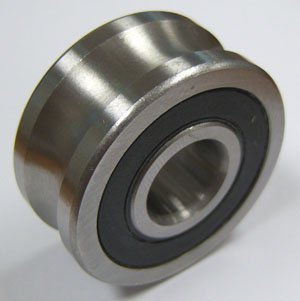
Are there specific materials commonly used in the construction of track bearings?
Yes, specific materials are commonly used in the construction of track bearings to ensure their durability, load-carrying capacity, and resistance to various operating conditions. Let’s discuss the materials commonly used for different components of track bearings:
- Outer and Inner Rings: The outer and inner rings of track bearings are typically made from high-quality bearing steels such as chrome steel (e.g., AISI 52100) or stainless steel. These materials offer excellent strength, hardness, and wear resistance. Chrome steel is the most commonly used material due to its favorable combination of mechanical properties and cost-effectiveness. In some cases, specialized alloys or heat-treated steels may be used to enhance specific properties like corrosion resistance or high-temperature performance.
- Rolling Elements: The rolling elements in track bearings are commonly made from bearing-grade steel or ceramic materials. Bearing-grade steel, similar to the materials used for the outer and inner rings, offers high strength and wear resistance. Ceramic materials, such as silicon nitride (Si3N4) or zirconia (ZrO2), are also used in certain applications where their advantages, such as high hardness, low density, and resistance to corrosion and high temperatures, are desired.
- Cage: The cage in track bearings is typically made from materials such as steel, brass, or engineered polymers. Steel cages are commonly used due to their strength and durability. Brass cages offer good corrosion resistance and are suitable for certain operating environments. Engineered polymers, such as polyamide (nylon), are used in applications where low friction, noise reduction, or lightweight design is desired.
- Seals or Shields: The seals or shields used in track bearings are made from various materials depending on the specific requirements. Common materials include rubber or synthetic elastomers for seals, and steel or stainless steel for shields. These materials provide effective protection against contaminants while maintaining proper lubrication within the bearing assembly.
- Lubrication: Lubricants used in track bearings can vary depending on the application and operating conditions. Common lubrication options include mineral oils, synthetic oils, and greases. The lubricant’s formulation is carefully chosen to provide adequate lubrication, reduce friction and wear, and protect against corrosion and contamination.
Overall, the choice of materials for track bearings is influenced by factors such as load requirements, operating conditions (including temperature and moisture levels), desired lifespan, and cost considerations. By selecting appropriate materials for each component, track bearings can deliver reliable performance and extended service life in a wide range of industrial and mechanical applications.


editor by CX 2024-05-08