Product Description
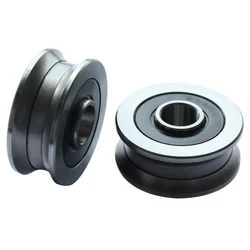
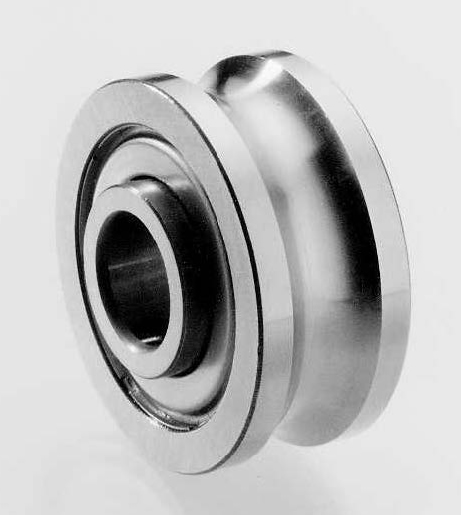
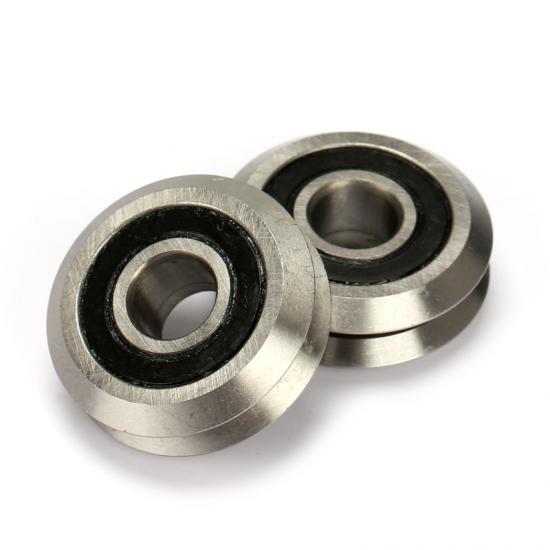
V Groove Track Roller Embroidery machine bearing W2 RM2 W3 RM3 W3X Bearing
Quick Detail
Embroidery machine track roller bearing
v groove track roller bearing
w groove track roller bearing
U groove track roller bearing
*Xihu (West Lake) Dis. roller bearing manufacturer
*ISO9001: 2008
*LV(RV) SG W V U LFR series
*OEM
w3x bearing
RM2 Bearing
W1 RM1 BEARING
W2 RM2 BEARING
W3 RM3 BEARING
W4 RM4 BEARING
Features
-“W” Groove Profile is the formed by the 2 “V” with 90 degrees Angle.
-Double Row Angular Contact Ball and Thick-Walled Outer Rings
-High Quality Chrome Steel and Stainless Steel
-Precision Tolerance and Multi-Purpose Grease Choice
-Metal Shields or Rubber Seals
– Low resistance, Long Service Life, Widely-Use,
-Easy Installation
Application
For mounting wherever axial and radial loads are expected
For most parts for torque transmission
Home appliances, electric motors, automotive components
SG Series Embroidery machine track roller bearing models:
SG15 SG15-10 SG20 SG20 SG25 SG35 SG15N SG20N SG25N SG35N LFR50/5-4N LFR50/5N LFR50/5 LFR50/8N LFR50/8-8N
LV Series track roller bearing: LV 20/7 ZZ, LV 20/8 ZZ, LV20/10ZZ, LV 202-38 ZZ, LV 202-40 ZZ, LV 201 ZZ, LV 201-14.2RS, LV 202-41 ZZ, LV 203 ZZ, LV 204-57 ZZ, LV 204-58 ZZ
V groove bearing w1x w2x w3x w4x used for single edge track
Specifications
1. Cheap and high quality bearing
2. OEM service offered
3. Low noise, long life
4. Ease of assembly
5. Stock available
Any need,please kindly contact us
Ivy wang
V CZPT wheel bearing with Eccentric shaft
Packaging & Delivery
A. According to customer’s requirements.
B.The outer is color polybag + box + carton, industrial standard packaging.
Delivery Detail: 1-3 working days after order confirmed. (depend on the amount)
Application
For mounting wherever axial and radial loads are expected
For most parts for torque transmission
Home appliances, electric motors, automotive components
W series V groove bearing size:
|
Designation
|
A1 | A2 | Chamfer r/min | Weight | ||||||
| Bore | O.D. | Width | mm | Load | ||||||
| mm | mm | mm | ||||||||
| D1 | D | B | A1 | A2 | R/min | Cw(KN) | Cow(KN) | Kg | ||
| W1 | 4.763 | 19.56 | 7.87 | 7.9. | 11.86 | 0.3 | 2.2 | 1 | 11 | |
| W1X | 4.763 | 19.56 | 7.87 | 7.93 | 11.86 | 0.3 | 2.2 | 1 | 11 | |
| W2 | 9.525 | 30.73 | 11.1 | 12.7 | 18.24 | 0.3 | 4.9 | 2.5 | 38 | |
| W2X | 9.525 | 30.73 | 11.1 | 12.7 | 18.24 | 0.3 | 4.9 | 2.5 | 38 | |
| W3 | 12 | 45.72 | 15.88 | 19.05 | 26.98 | 0.6 | 9.4 | 4.9 | 130 | |
| W3X | 12 | 45.72 | 15.88 | 19.05 | 26.98 | 0.6 | 9.4 | 4.9 | 130 | |
| W4 | 15 | 59.94 | 19.05 | 25.4 | 34.93 | 1 | 14.8 | 8.2 | 280 | |
| W4X | 15 | 59.94 | 19.05 | 25.4 | 34.93 | 1 | 14.8 | 8.2 | 280 | |
| RM1ZZ | 4.763 | 19.56 | 7.87 | 7.9. | 11.86 | 0.3 | 2.2 | 1 | 11 | |
| RM1 2RS | 4.763 | 19.56 | 7.87 | 7.93 | 11.86 | 0.3 | 2.2 | 1 | 11 | |
| RM2ZZ | 9.525 | 30.73 | 11.1 | 12.7 | 18.24 | 0.3 | 4.9 | 2.5 | 38 | |
| RM2 2RS | 9.525 | 30.73 | 11.1 | 12.7 | 18.24 | 0.3 | 4.9 | 2.5 | 38 | |
| RM3ZZ | 12 | 45.72 | 15.88 | 19.05 | 26.98 | 0.6 | 9.4 | 4.9 | 130 | |
| RM3 2RS | 12 | 45.72 | 15.88 | 19.05 | 26.98 | 0.6 | 9.4 | 4.9 | 130 | |
| RM4ZZ | 15 | 59.94 | 19.05 | 25.4 | 34.93 | 1 | 14.8 | 8.2 | 280 | |
| RM4 2RS | 15 | 59.94 | 19.05 | 25.4 | 34.93 | 1 | 14.8 | 8.2 | 280 | |
Company information
HangZhou CZPT Bearing Imp. & Exp. Co., Ltd. is specialized in bearings export production selling and after-service.
In practice for many years, we established strict quality assurance system.
Our products covers Roller Bearing, Ball Bearing, Linear bearing, Rod end bearing, Joint bearing, Stainless Steel Bearings, Ceramic bearings, Plastic bearing, Thin wall bearing, Excavator bearing, and Rotor bearing.
We do brands:NSK CZPT CZPT CZPT ASAHI CZPT THK UBC NMB and DPI.
We do OEM service
Related products
/* January 22, 2571 19:08:37 */!function(){function s(e,r){var a,o={};try{e&&e.split(“,”).forEach(function(e,t){e&&(a=e.match(/(.*?):(.*)$/))&&1
| Rolling Body: | Roller Bearings |
|---|---|
| The Number of Rows: | Double |
| Outer Dimension: | Small (28-55mm) |
| Material: | Bearing Steel |
| Spherical: | Non-Aligning Bearings |
| Load Direction: | Axial Bearing |
| Samples: |
US$ 2/Set
1 Set(Min.Order) | |
|---|
| Customization: |
Available
| Customized Request |
|---|
What are the benefits of using self-lubricating or maintenance-free track bearings?
Using self-lubricating or maintenance-free track bearings can offer several significant benefits in terms of convenience, performance, and cost-effectiveness. Let’s explore the advantages of utilizing self-lubricating or maintenance-free track bearings:
- Elimination of External Lubrication: One of the primary advantages of self-lubricating or maintenance-free track bearings is that they eliminate the need for external lubrication. These bearings are pre-lubricated with a solid lubricant or have a built-in lubrication system that provides a continuous supply of lubrication to the bearing surfaces. This eliminates the requirement for manual lubrication or periodic re-lubrication, saving time and effort in maintenance tasks.
- Extended Service Life: Self-lubricating or maintenance-free track bearings are designed to provide long service life. The presence of a solid lubricant or a self-lubricating material within the bearing helps reduce friction, wear, and the risk of surface damage. This results in improved durability and extended service life, reducing the frequency of bearing replacements and downtime for maintenance.
- Reduced Contamination and Cleanliness: External lubricants, such as grease or oil, can attract and accumulate contaminants, such as dust, dirt, or debris. In contrast, self-lubricating or maintenance-free track bearings minimize the risk of contamination since they do not require additional lubricants. This helps maintain a cleaner operating environment and reduces the potential for bearing failure due to contamination-related issues.
- Improved Reliability and Performance: Self-lubricating or maintenance-free track bearings offer consistent and reliable performance throughout their service life. The presence of an effective lubrication system ensures proper lubrication even under demanding operating conditions, such as high temperatures or high loads. This contributes to smoother and more predictable motion, reduced friction, and enhanced overall performance of the machinery or equipment.
- Cost Savings: While self-lubricating or maintenance-free track bearings may have a higher initial cost compared to standard bearings, they can result in cost savings over the long term. The elimination of manual lubrication and the extended service life of these bearings reduce maintenance requirements, labor costs, and the need for lubrication supplies. Additionally, the increased reliability and performance can minimize downtime and associated production losses.
- Ease of Installation: Self-lubricating or maintenance-free track bearings are typically designed for easy installation. They often come pre-assembled, pre-lubricated, or with integral lubrication systems, simplifying the installation process. This can save time and effort during initial setup or replacement of bearings in machinery or equipment.
Overall, self-lubricating or maintenance-free track bearings offer the advantages of reduced maintenance, extended service life, improved reliability, and cost savings. These bearings are particularly beneficial in applications where regular lubrication is challenging, time-consuming, or not feasible, or in environments where contamination control is critical.
Are there potential challenges or limitations in using track bearings in specific industries?
While track bearings are widely used in various industries for their ability to support linear motion and handle heavy loads, there can be potential challenges and limitations associated with their use in specific industries. Here’s a detailed explanation:
1. Contamination and Harsh Environments:
Industries such as mining, construction, and agriculture often operate in harsh environments with high levels of contamination, including dust, dirt, and moisture. These contaminants can enter the track bearings and cause accelerated wear, reduced performance, and potential failure. Regular maintenance and appropriate sealing measures are required to mitigate these challenges.
2. High-Temperature Environments:
In industries like metal processing, glass manufacturing, and foundries, track bearings may be exposed to high temperatures. Excessive heat can affect the lubrication properties and structural integrity of bearings, leading to premature failure. Selecting track bearings specifically designed for high-temperature applications and using suitable lubricants are necessary to overcome this limitation.
3. Corrosive Chemicals:
Industries such as chemical processing, food and beverage, and wastewater treatment involve exposure to corrosive chemicals. Corrosion can significantly affect the performance and lifespan of track bearings. Choosing bearings made from corrosion-resistant materials or applying protective coatings can help address this challenge.
4. Heavy Load and Impact:
Industries like material handling, mining, and construction often require track bearings to withstand heavy loads and frequent impacts. Excessive load or impact can lead to premature wear, deformation, or even catastrophic failure of the bearings. Selecting track bearings with appropriate load capacities and impact resistance is crucial in these industries.
5. Precision and Accuracy:
In industries such as robotics, semiconductor manufacturing, and precision machining, track bearings may need to meet stringent requirements for precision and accuracy. Any deviation or play in the bearings can impact the overall performance and quality of the process. Using high-precision track bearings and ensuring proper alignment and installation are essential in these cases.
6. Speed and Acceleration:
Applications involving high-speed or rapid acceleration, such as automated assembly lines or conveyor systems, can impose additional challenges on track bearings. Excessive speed or acceleration can generate heat and vibration, leading to increased wear and reduced bearing life. Choosing track bearings with suitable speed and acceleration ratings is vital in these industries.
It is important to consult with bearing manufacturers or industry experts to identify and address any potential challenges or limitations specific to the industry and application at hand. By understanding these challenges and selecting track bearings designed to overcome them, industries can optimize performance, reliability, and longevity while mitigating risks and ensuring smooth operation.
Can you describe the load-carrying capacity and load ratings of track bearings?
Track bearings are designed to withstand and carry various types of loads while maintaining smooth and controlled motion along a track or guide rail. The load-carrying capacity and load ratings of track bearings are crucial factors to consider when selecting the appropriate bearing for a specific application. Let’s delve into these concepts:
Load-Carrying Capacity:
The load-carrying capacity of a track bearing refers to its ability to support and distribute the applied loads without excessive deformation or failure. It is influenced by several factors, including the bearing’s design, materials, and operating conditions. The load-carrying capacity is typically specified in terms of static load capacity and dynamic load capacity.
The static load capacity indicates the maximum load that a track bearing can support without permanent deformation. It is determined by the bearing’s internal geometry, material strength, and the contact area between the rolling elements and raceways. Static loads are those that do not cause relative motion between the bearing and the track, such as when the bearing is stationary or subjected to a constant load.
The dynamic load capacity represents the maximum load that a track bearing can handle while still allowing smooth rolling motion. It takes into account the bearing’s ability to handle both radial and axial loads and considers factors such as the bearing’s internal clearance, lubrication, and operating speed. Dynamic loads are those that cause relative motion between the bearing and the track, such as when the bearing is subjected to varying loads or subjected to motion along the track.
Load Ratings:
Load ratings provide standardized values that indicate the maximum allowable loads for track bearings based on industry standards. These load ratings are commonly provided by bearing manufacturers and help users select the appropriate bearing for their specific application requirements. The two primary load ratings used for track bearings are the radial load rating and the axial load rating.
The radial load rating specifies the maximum radial load that a track bearing can withstand while maintaining proper performance and service life. It is expressed as a static load rating and a dynamic load rating. The static radial load rating indicates the maximum radial load that the bearing can support without permanent deformation, while the dynamic radial load rating represents the maximum radial load that the bearing can handle under typical operating conditions.
The axial load rating indicates the maximum axial load that a track bearing can withstand without excessive deformation or failure. It considers the applied axial force in the direction perpendicular to the track or guide rail. The axial load rating is typically provided as a static load rating and a dynamic load rating.
It’s important to note that load ratings are based on specific operating conditions, such as a certain speed, lubrication, and temperature. It is necessary to consider the actual operating conditions and factors such as shock loads, vibrations, and misalignments when applying load ratings to real-world applications.
By understanding the load-carrying capacity and load ratings of track bearings, engineers and designers can make informed decisions to ensure reliable and safe performance of the bearings in their applications.


editor by CX 2024-04-09