Product Description
-
Main Dimensions & Performance Data
D 47 mm
Outside diameter d 17 mm
Bore diameter C 12 mm
Height Cr w 8,900 N
Basic dynamic load rating, radial C0r w 4,550 N
Basic static load rating, radial Cur w 229 N
Fatigue load limit, radial nD G 9,000 1/min
Speed on permanent grease lubrication ≈m 0.108 kg
Weight
Specification
|
NUTR Series |
||||
|
Item |
Weight(g) |
d(mm) |
D(mm) |
B(mm) |
|
NUTR15 |
99 |
15 |
35 |
19 |
|
NUTR1542 |
158 |
15 |
42 |
19 |
|
NUTR17 |
147 |
17 |
40 |
21 |
|
NUTR1747 |
220 |
17 |
47 |
21 |
|
NUTR20 |
245 |
20 |
47 |
25 |
|
NUTR2052 |
321 |
20 |
52 |
25 |
|
NUTR25 |
281 |
25 |
52 |
25 |
|
NUTR2562 |
450 |
25 |
62 |
25 |
|
NUTR30 |
465 |
30 |
62 |
29 |
|
NUTR3072 |
697 |
30 |
72 |
29 |
|
NUTR35 |
630 |
35 |
72 |
29 |
|
NUTR3580 |
836 |
35 |
80 |
29 |
|
NUTR40 |
816 |
40 |
80 |
32 |
|
NUTR4090 |
1129 |
40 |
90 |
32 |
|
NUTR45 |
883 |
45 |
85 |
32 |
|
NUTR45100 |
1396 |
45 |
100 |
32 |
|
NUTR50 |
950 |
50 |
90 |
32 |
|
NUTR50110 |
1690 |
50 |
110 |
32 |
|
NATR Series |
||||
|
Item |
Weight(g) |
d(mm) |
D(mm) |
B(mm) |
|
NATR5 |
14 |
5 |
16 |
12 |
|
NATR6 |
20 |
6 |
19 |
12 |
|
NATR8 |
41 |
8 |
24 |
15 |
|
NATR10 |
64 |
10 |
30 |
15 |
|
NATR12 |
71 |
12 |
32 |
15 |
|
NATR15 |
101 |
15 |
35 |
19 |
|
NATR17 |
144 |
17 |
40 |
21 |
|
NATR20 |
246 |
20 |
47 |
25 |
|
NATR25 |
275 |
25 |
52 |
25 |
|
NATR30 |
470 |
30 |
62 |
29 |
|
NATR..PP Series |
||||
|
Item |
Weight(g) |
d(mm) |
D(mm) |
B(mm) |
|
NATR5 PP |
14 |
5 |
16 |
12 |
|
NATR6 PP |
19 |
6 |
19 |
12 |
|
NATR8 PP |
38 |
8 |
24 |
15 |
|
NATR10 PP |
64 |
10 |
30 |
15 |
|
NATR12 PP |
66 |
12 |
32 |
15 |
|
NATR15 PP |
95 |
15 |
35 |
19 |
|
NATR17 PP |
139 |
17 |
40 |
21 |
|
NATR20 PP |
236 |
20 |
47 |
25 |
|
NATR25 PP |
271 |
25 |
52 |
25 |
|
NATR30 PP |
444 |
30 |
62 |
29 |
|
NATR35 PP |
547 |
35 |
72 |
29 |
|
NATR40 PP |
795 |
40 |
80 |
32 |
|
NATR50 PP |
867 |
50 |
90 |
32 |
deep groove ball bearing packaging
FAQ of deep groove ball bearing
1.Q:Are you a factory or trading company?
A:SEMRI Bearing is specialized in manufacturing and exporting bearings.
SEMRI Bearing have own factory and warehouse.
2.Q:Can I get some samples and do you offer the sample free?
A:Yes, sure, SEMRI Bearing are honored to offer you samples.Can you buy a ticket ?3.Q:What is the payment?
A: 30% T/T In Advance, 70% T/T Against Copy Of B/L
B: 100% L/C At Sight
4.Q:What is the MOQ for bearing?
A: SEMRI Bearing MOQ is 1 pc.
5.Q:What kind of service you can offer?
A:Technology support;Installation guidance;OE
/* January 22, 2571 19:08:37 */!function(){function s(e,r){var a,o={};try{e&&e.split(“,”).forEach(function(e,t){e&&(a=e.match(/(.*?):(.*)$/))&&1
| Cage: | With Cage |
|---|---|
| Rows Number: | Single |
| Load Direction: | Radial Bearing |
| Samples: |
US$ 0.34/Piece
1 Piece(Min.Order) | Order Sample |
|---|
| Customization: |
Available
| Customized Request |
|---|
.shipping-cost-tm .tm-status-off{background: none;padding:0;color: #1470cc}
|
Shipping Cost:
Estimated freight per unit. |
about shipping cost and estimated delivery time. |
|---|
| Payment Method: |
|
|---|---|
|
Initial Payment Full Payment |
| Currency: | US$ |
|---|
| Return&refunds: | You can apply for a refund up to 30 days after receipt of the products. |
|---|
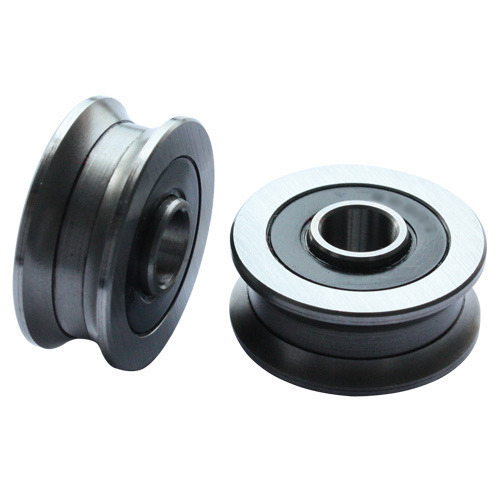
Can you provide examples of industries and applications where track bearings are frequently used?
Track bearings find extensive use in various industries and applications where smooth and controlled motion along tracks or guide rails is required. Let’s explore some examples of industries and applications where track bearings are frequently used:
- Material Handling and Conveying: Track bearings are widely employed in material handling and conveying systems, such as conveyor belts, roller conveyors, and overhead cranes. They facilitate the smooth movement of goods, packages, and components along the tracks, ensuring efficient and reliable transportation within warehouses, distribution centers, manufacturing facilities, and airports.
- Automotive and Transportation: Track bearings are utilized in various automotive applications, including suspension systems, steering systems, and sliding doors. They enable smooth and precise movement of components, contributing to vehicle performance, comfort, and safety. Additionally, track bearings are used in railway applications, such as railcar doors, sliding mechanisms, and track guidance systems.
- Aerospace and Defense: Track bearings play a crucial role in aerospace and defense applications, including aircraft landing gears, flap systems, and missile launchers. They provide the necessary support, guidance, and load-carrying capacity for critical components, ensuring smooth and controlled motion in demanding operating conditions.
- Industrial Machinery: Track bearings are commonly found in various industrial machinery and equipment. They are used in machine tools, robotics, printing presses, industrial ovens, and packaging machines, among others. In these applications, track bearings contribute to precise motion control, accurate positioning, and reliable performance of moving components.
- Construction and Mining: Track bearings are extensively employed in construction and mining equipment, such as excavators, bulldozers, cranes, and drilling machines. They provide support and guidance for the movable parts, allowing efficient and controlled movement in rugged and demanding environments.
- Medical and Healthcare: Track bearings are utilized in various medical and healthcare applications. They are used in hospital beds, medical imaging equipment, laboratory automation systems, and patient handling devices. Track bearings enable smooth and quiet operation, precise positioning, and patient comfort in these critical healthcare settings.
- Renewable Energy: Track bearings are employed in renewable energy systems, including solar tracking systems and wind turbine pitch and yaw mechanisms. They enable the precise tracking of solar panels and the controlled adjustment of wind turbine blades, maximizing energy capture and optimizing system performance.
These examples represent just a fraction of the many industries and applications where track bearings are frequently used. The versatility, reliability, and precise motion control provided by track bearings make them a fundamental component in numerous mechanical systems across various sectors.
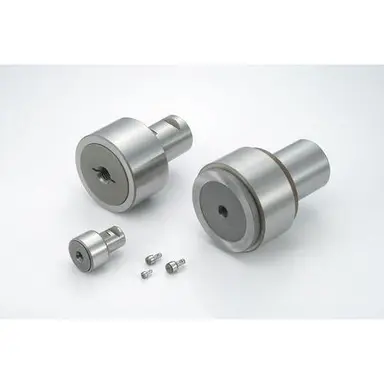
Can track bearings withstand harsh environments or exposure to contaminants?
Track bearings are designed to operate in a wide range of environments, including harsh conditions and exposure to contaminants. However, the ability of track bearings to withstand such environments depends on their specific design, materials, and protective measures. Here’s a detailed explanation:
Many track bearings are engineered with features that enhance their resistance to harsh environments and contaminants. These features may include:
- Sealing and Shielding: Some track bearings are equipped with seals or shields that provide a physical barrier against contaminants such as dirt, dust, water, and debris. These seals or shields help prevent the entry of contaminants into the bearing’s internal components, reducing the risk of damage and premature wear.
- Corrosion Resistance: Track bearings intended for use in corrosive environments are often constructed from materials that offer high corrosion resistance. Stainless steel, for example, is commonly used due to its ability to withstand exposure to moisture, chemicals, and other corrosive substances.
- Specialized Coatings: Some track bearings may feature specialized coatings or surface treatments that provide additional protection against contaminants and harsh conditions. These coatings can enhance the bearing’s resistance to corrosion, abrasion, and chemical exposure.
- High-Temperature Capability: Certain track bearings are designed to withstand high-temperature environments. They are typically constructed using heat-resistant materials and lubricants that can maintain their structural integrity and performance even under extreme heat.
- Environmental Sealing: In applications where track bearings are exposed to extreme conditions, such as underwater or in highly dusty environments, special environmental sealing measures may be employed. These measures can include the use of advanced sealing technologies or the encapsulation of the bearings within protective housings.
While track bearings are designed to withstand harsh environments and exposure to contaminants, it is important to note that their performance and longevity can still be affected over time. Regular maintenance, including cleaning, inspection, and lubrication, is crucial to ensure proper functioning and to mitigate the impact of contaminants on the bearings.
It is recommended to consult the manufacturer’s specifications and guidelines for the track bearings being used in a specific application. Manufacturers often provide information on the environmental ratings and limits of their bearings, helping users determine the suitability of the bearings for particular harsh environments or exposure to contaminants.
By selecting track bearings with appropriate features, materials, and protection, and by implementing proper maintenance practices, it is possible to enhance the bearings’ ability to withstand harsh environments and exposure to contaminants, thereby maximizing their performance and longevity.
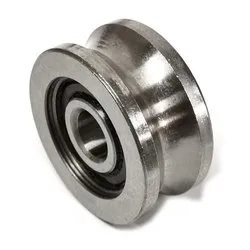
Can you explain the different types of track bearings used in industrial and mechanical systems?
Track bearings, also known as track rollers or track follower bearings, come in various types to suit different industrial and mechanical system requirements. Let’s explore the different types of track bearings commonly used in these applications:
- Yoke Type Track Rollers: Yoke type track rollers are a popular type of track bearing characterized by their thick outer rings. They are designed to handle high radial loads and moderate axial loads. Yoke type track rollers feature an inner ring with a stud for mounting on a shaft or stud. They are widely used in applications such as conveyors, cam mechanisms, material handling systems, and agricultural machinery.
- Stud Type Track Rollers: Stud type track rollers are similar to yoke type track rollers but lack an inner ring. Instead, they have a stud that serves as the mounting component. Stud type track rollers are suitable for applications with limited space or where the outer ring can be directly mounted onto a mating surface. They are commonly used in applications such as cam mechanisms, indexing equipment, and tensioning systems.
- Cam Followers: Cam followers, also known as cam bearings or track followers, are track bearings designed specifically for cam-driven systems. They have a stud or shaft for mounting and a built-in roller or needle bearing. Cam followers follow the profile of a cam, converting the rotary motion of the cam into linear or oscillating motion. They are used in applications such as printing presses, packaging machinery, textile machinery, and automotive engines.
- Guiding Track Rollers: Guiding track rollers are track bearings designed to provide precise and guided linear motion. They feature a thick outer ring with a track or guide surface. Guiding track rollers are commonly used in material handling systems, conveyor systems, and automated machinery to facilitate smooth and controlled movement along a track or guide rail.
- V-Groove Track Rollers: V-groove track rollers have a specialized V-shaped groove on the outer ring. This groove allows the rollers to run on V-shaped tracks or rails, providing accurate alignment and guidance. V-groove track rollers are used in applications such as track systems, sliding gates, and linear motion guides.
- Flanged Track Rollers: Flanged track rollers feature an additional flange on the outer ring. The flange helps in axial guidance and prevents the track roller from shifting or tilting under axial loads. Flanged track rollers are commonly used in applications such as cam mechanisms, linear motion systems, and conveyor systems.
- Idler Track Rollers: Idler track rollers are non-powered track rollers used to support and guide conveyor belts, chains, or other moving components. They are typically used in material handling systems, conveyor systems, and packaging machinery.
These different types of track bearings offer versatility and flexibility in industrial and mechanical systems. Depending on the specific application requirements, engineers and designers can select the most suitable type of track bearing to ensure smooth motion, reliable operation, and efficient load support. The choice of track bearing type depends on factors such as load capacity, space constraints, track configuration, and environmental conditions.


editor by CX 2024-04-09