Product Description
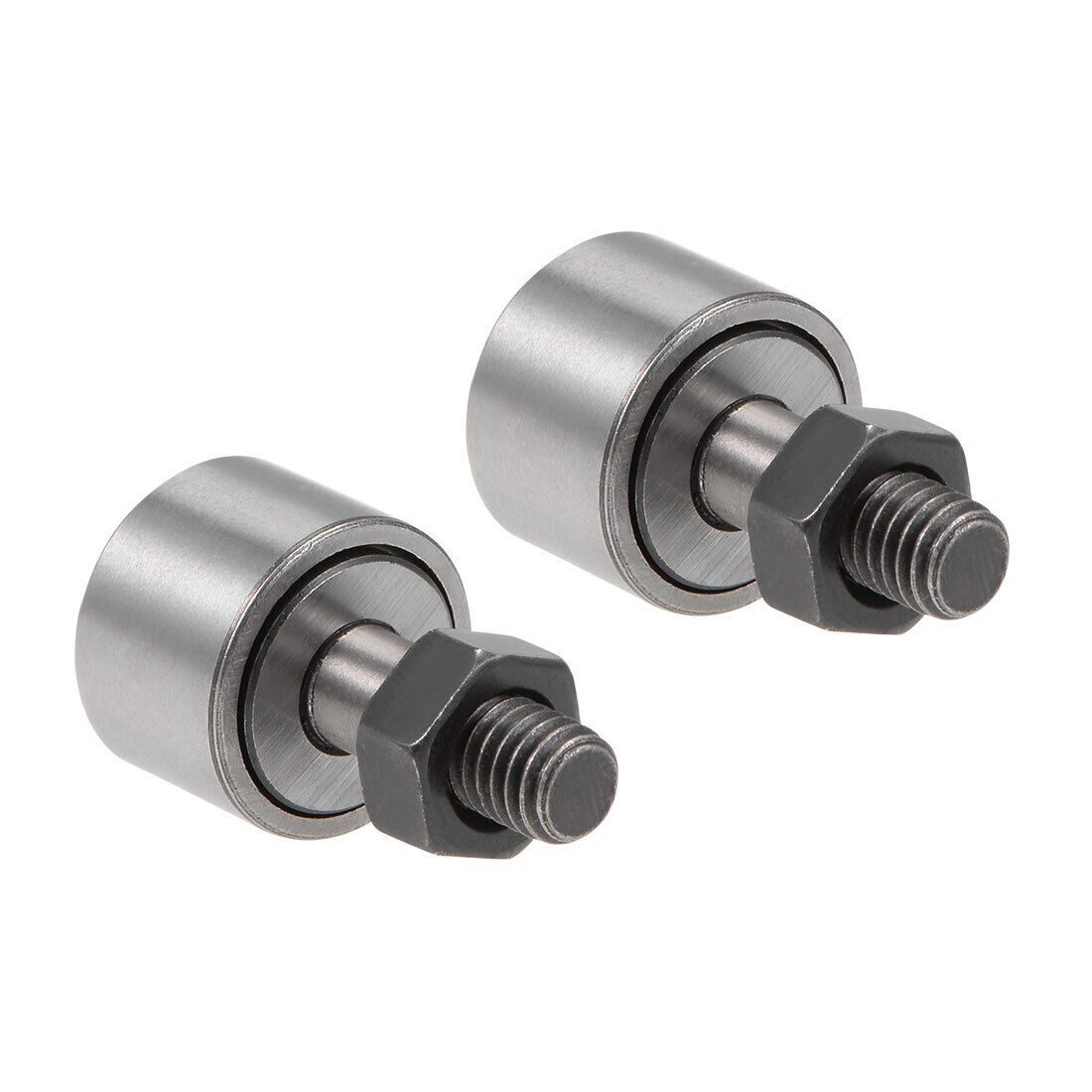
F-57439.02.KR Cam Follower Bearing Track Roller Bearing
The F-57439.02.KR is a cam follower. Cam followers are designed for use with various types of tracks. Thanks to a thick-walled outer ring, they can withstand high radial loads. Instead of an inner ring, they feature a solid, threaded stud, enabling easy mounting. Axial loads due to alignment errors or misalignment can be absorbed in both directions. They are not mounted in a housing bore, but a flat (counter) track provides support. Common applications of support rollers include conveyor systems, linear guidance systems, and cam mechanisms.
1. Type: cam follower bearing
2. Specification:
| Bearing number | F-57439.02.KR |
| ID | 6 mm |
| OD | 16 mm |
| Roller Thickness | 11 mm |
| Bearing length | 20.8 mm |
3. Application: printing machine and so on
4. Feature:
(1) Good quality
(2) Competitive price
(3) Quick delivery
(4) Quality guarantee
5. Bearing photos:
Why choose us ?
1. Quality Control To ensure the quality of our vehicles and other products, Our QC staffs do strict supplier evaluations, in-coming inspections, in-process inspections, final inspections and pre-delivery inspections. The most important is that we listen to what our customers say and are always looking for ways to improve the quality of our products through continuous improvement.
2. OEM Ability We have built stable and long-term cooperate relationshilp with supermarkets,we canalso provide ODM, OEM and Agent services to our customers over the world.
3. Parts Available We have spare bearings for immediate delivery to anywhere in the world. Our Bearings widely used in the fields of motor, fan, injection molding machine, mining, mechanical equipment, metallurgy, rolling, automobile, railway, iron and steel, power, textile, packaging, petroleum, paper making, etc
4. Good Warranty We take customer satisfaction and product quality as the first priority for us. We supply reliable warranties and good after-sales services.
1. Quality Control To ensure the quality of our vehicles and other products, Our QC staffs do strict supplier evaluations, in-coming inspections, in-process inspections, final inspections and pre-delivery inspections. The most important is that we listen to what our customers say and are always looking for ways to improve the quality of our products through continuous improvement.
2. OEM Ability We have built stable and long-term cooperate relationshilp with supermarkets,we canalso provide ODM, OEM and Agent services to our customers over the world.
3. Parts Available We have spare bearings for immediate delivery to anywhere in the world. Our Bearings widely used in the fields of motor, fan, injection molding machine, mining, mechanical equipment, metallurgy, rolling, automobile, railway, iron and steel, power, textile, packaging, petroleum, paper making, etc
4. Good Warranty We take customer satisfaction and product quality as the first priority for us. We supply reliable warranties and good after-sales services.
F A Q
*Q:Can I get samples from you?
A:We are honored to offer you samples for quality check.
*Q:What parts are manufactured by you?
A: :90% of bearings are manufactured by us.
*Q:What’s the leading time? (How long do you need to prepare my goods?)
A:10 days for sample orders. 30 days for mass production orders (based on different quantities)
*Q:How long do I need to wait before my goods arrive?
A:3-5 days for international express. 5-7 days for air transportation, 35-40 days for sea transportation.
*Q:Can you put my brand name (logo) on these products?
A: Yes, or container order. Sticker order qty over 100pcs.
*Q:What payment methods do you accept?
A:T/T, L/C, Western Union, etc.
*Q:What certificates do you have?
A: All of our products are with CE IAF certificate. For some models, the certificates are already available. For other models, we will need your assistance to apply the certificates. For some models, the certificates are already available. For other models, we will need your assistance to apply the certificates.
*Q:What is your product quality?
A:Our raw materials are purchased from qualified suppliers. And we have a strong quality control team to guarantee our quality. We always care what you care!!
*Q:What is your warranty?
A:Our warranty is 24 months after delivery. We always pay high attention to after sale service!! For those out of warranty, we have adequate parts.
Electrical and easy wear parts are not included in warranty range.
*Q:How are parts availability?
A:We keep stock of spare parts and make sure all parts available whenever you need.
/* January 22, 2571 19:08:37 */!function(){function s(e,r){var a,o={};try{e&&e.split(“,”).forEach(function(e,t){e&&(a=e.match(/(.*?):(.*)$/))&&1
| Cage: | With Cage |
|---|---|
| Rows Number: | Single |
| Load Direction: | Radial Bearing |
| Style: | With Outer Ring, With Inner Ring |
| Material: | Bearing Steel |
| Type: | Open |
| Samples: |
US$ 0.1/Piece
1 Piece(Min.Order) | |
|---|
| Customization: |
Available
| Customized Request |
|---|
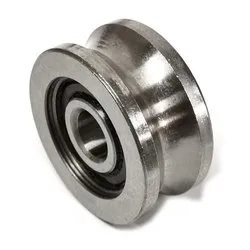
What are the considerations for selecting the right track bearings for a particular application?
Selecting the right track bearings for a particular application requires careful consideration of various factors to ensure optimal performance, reliability, and longevity. Here are the key considerations to keep in mind:
- Load Requirements: Assess the expected load conditions in the application. Consider both the static and dynamic loads that the track bearings will need to support. Determine the maximum load capacity required to ensure that the selected bearings can handle the anticipated loads without premature failure or excessive wear.
- Speed and Acceleration: Evaluate the speed and acceleration requirements of the application. Higher speeds and rapid accelerations can impose additional stresses on the track bearings. Choose bearings with suitable speed and acceleration ratings to ensure they can operate effectively within the desired range without compromising performance or causing premature wear.
- Environmental Factors: Consider the operating environment of the application. Evaluate factors such as temperature extremes, moisture, dust, chemicals, and potential exposure to corrosive substances. Select track bearings that are designed to withstand the specific environmental conditions to ensure optimal performance and longevity.
- Track and Rail Compatibility: Assess the compatibility of the track bearings with the existing track or rail system. Consider factors such as track geometry, dimensional requirements, and mounting options. Ensure that the selected bearings are suitable for the specific track or rail design to facilitate proper installation, alignment, and smooth operation.
- Maintenance and Lubrication: Evaluate the maintenance and lubrication requirements of the track bearings. Consider factors such as the need for regular maintenance, lubrication intervals, and the availability of suitable lubricants. Choose bearings that align with the desired maintenance practices and provide appropriate lubrication options based on the application’s operational demands.
- Expected Lifespan and Reliability: Determine the desired lifespan and reliability expectations for the track bearings. Consider factors such as the projected operating hours, duty cycles, and the criticality of the application. Select bearings from reputable manufacturers known for producing high-quality, reliable products that align with the expected lifespan and reliability requirements.
- Cost Considerations: Evaluate the cost-effectiveness of the track bearings. Consider the initial purchase cost as well as the long-term costs associated with maintenance, replacement, and potential downtime. Strive for a balance between the upfront investment and the overall value provided by the bearings in terms of performance, reliability, and longevity.
It is essential to consult with bearing manufacturers or industry experts who can provide guidance and recommendations based on the specific application requirements. By considering these factors and seeking expert advice, you can select the right track bearings that best meet the needs of your particular application.
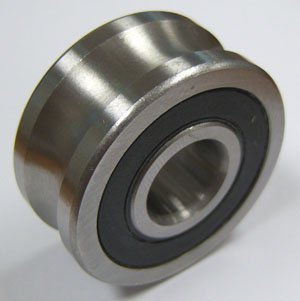
What innovations or advancements have been made in track bearing technology?
Track bearing technology has seen several innovations and advancements over the years, driven by the need for improved performance, increased reliability, and enhanced functionality. Here are some notable innovations in track bearing technology:
- Advanced Materials: The development of new materials has significantly improved the performance and longevity of track bearings. Materials such as ceramic, hybrid ceramics, and high-performance steels offer enhanced strength, corrosion resistance, and temperature stability, making them suitable for demanding applications.
- Improved Sealing Solutions: Sealing technology has advanced to provide better protection against contaminants, moisture, and other environmental factors. Innovative seal designs and materials, including labyrinth seals, triple lip seals, and specialized coatings, help keep track bearings clean and extend their service life.
- Enhanced Lubrication: Lubrication plays a crucial role in the performance and lifespan of track bearings. Advancements in lubrication technology, such as the development of high-performance greases and solid lubricants, have improved the efficiency, reliability, and maintenance requirements of track bearings.
- Integrated Sensor Systems: Track bearings can now incorporate integrated sensor systems to monitor various parameters such as temperature, vibration, and load. These sensors provide real-time data on bearing health and performance, enabling predictive maintenance strategies and early detection of potential issues.
- Smart Bearing Technology: Smart bearing technology combines sensor systems with advanced data analytics and connectivity capabilities. These bearings can communicate wirelessly with monitoring systems, enabling remote monitoring, condition-based maintenance, and optimization of operational parameters for improved performance and efficiency.
- Design Optimization: Computer-aided design (CAD) and finite element analysis (FEA) tools have revolutionized the design process for track bearings. These tools allow for precise modeling, simulation, and optimization of bearing geometries, materials, and load capacities, resulting in improved performance, reduced weight, and enhanced reliability.
- Application-Specific Customization: With advancements in manufacturing processes, track bearings can now be customized to meet the specific requirements of different applications. Manufacturers can tailor bearing designs, materials, and coatings to optimize performance, reliability, and compatibility with unique operating conditions.
These innovations and advancements in track bearing technology have collectively contributed to improved performance, extended service life, and enhanced functionality in a wide range of industries and applications. They continue to drive progress in the field, enabling track bearings to meet the evolving demands of modern industrial systems.
Are there specific materials commonly used in the construction of track bearings?
Yes, specific materials are commonly used in the construction of track bearings to ensure their durability, load-carrying capacity, and resistance to various operating conditions. Let’s discuss the materials commonly used for different components of track bearings:
- Outer and Inner Rings: The outer and inner rings of track bearings are typically made from high-quality bearing steels such as chrome steel (e.g., AISI 52100) or stainless steel. These materials offer excellent strength, hardness, and wear resistance. Chrome steel is the most commonly used material due to its favorable combination of mechanical properties and cost-effectiveness. In some cases, specialized alloys or heat-treated steels may be used to enhance specific properties like corrosion resistance or high-temperature performance.
- Rolling Elements: The rolling elements in track bearings are commonly made from bearing-grade steel or ceramic materials. Bearing-grade steel, similar to the materials used for the outer and inner rings, offers high strength and wear resistance. Ceramic materials, such as silicon nitride (Si3N4) or zirconia (ZrO2), are also used in certain applications where their advantages, such as high hardness, low density, and resistance to corrosion and high temperatures, are desired.
- Cage: The cage in track bearings is typically made from materials such as steel, brass, or engineered polymers. Steel cages are commonly used due to their strength and durability. Brass cages offer good corrosion resistance and are suitable for certain operating environments. Engineered polymers, such as polyamide (nylon), are used in applications where low friction, noise reduction, or lightweight design is desired.
- Seals or Shields: The seals or shields used in track bearings are made from various materials depending on the specific requirements. Common materials include rubber or synthetic elastomers for seals, and steel or stainless steel for shields. These materials provide effective protection against contaminants while maintaining proper lubrication within the bearing assembly.
- Lubrication: Lubricants used in track bearings can vary depending on the application and operating conditions. Common lubrication options include mineral oils, synthetic oils, and greases. The lubricant’s formulation is carefully chosen to provide adequate lubrication, reduce friction and wear, and protect against corrosion and contamination.
Overall, the choice of materials for track bearings is influenced by factors such as load requirements, operating conditions (including temperature and moisture levels), desired lifespan, and cost considerations. By selecting appropriate materials for each component, track bearings can deliver reliable performance and extended service life in a wide range of industrial and mechanical applications.


editor by CX 2024-03-25