Product Description
Description and Features of SR Track Roller
• The function of series SG rollers are same as the series LFR rollers. But they are mainly used in the flat track and in the condition required compact structure. After rollers are installed to the slider, the shaft will be not or seldom over the roller’s side planes. There are 2 contact points between the roller andtrack, so the contact function is favorable.
• Rollers feature double row angular contact ball bearing in its internal structure design and a thick-walled outer ring so rollers can accommodate higher loads.
• Bearings are made of the high-quality bearing steel, processed by heat treatment and precision grinding, and are filled with a long service life, high-grade and multipurposes grease. Bearings take the metal shields to prevent the dust.
• Can provide the rollers with concentric or eccentric pivot. Some types of the rollers can be made from the corrosion resistant stainless steel.
Characteristics of Xihu (West Lake) Dis. System that series SG track roller are applied
• High allowance speed, low resistance and long life
For series SG rollers, the surface profile of the outer ring is designed as the GOTHIC ARCH.When rollers run, there are 2 contact points with anangle 60 degrees between the roller and track. So the friction resistance is low and the load is in equality thus avoiding the stresses centralization and edge effect caused by the error from installation and manufacturing, making the track system has the characteristics of highspeed, low energy consumption, long service life and minimum noise level.
• Easy installation
After bearing assembled the concentric or eccentric pivot, installation will be convenient. To adjust the eccentric one’s eccentricity, the bearing can get the fitting preload.
• Smooth running, minimum error and lower noise level
The high precision machinery and complete inspection facilities make accuracy in the profile of roller. Mature manufacturing techniques and critical inspection procedure make all rollers good in the Kea (radial runout) of outer ring and roundness of working surface, so the CZPT system in motion is smooth running, minimum error and lower running noise level.
I have all the models you need, these are just some of them, please contact us now
| Part No | Dimensions(mm) | Load Ratings(KN) | Liming Speed (r/min) | Weight(g) | ||||||||
| dw | d | D | C | B | L | d2 | H | Cr | Cor | |||
| SG15-2RS | 6 | 5 | 17 | 8 | 5.75 | 20.46 | 8.6 | 1 | 1.78 | 0.94 | 15000 | 8 |
| SG15-10-2RS | 10 | 5 | 17 | 8 | 5.75 | 25.5 | 8.6 | 1 | 1.78 | 0.94 | 15000 | 9 |
| SG20-2RS | 8 | 6 | 24 | 11 | 7.25 | 28.62 | 11.1 | 1.2 | 3.44 | 1.73 | 12000 | 25 |
| SG25-2RS | 10 | 8 | 30 | 14 | 8.5 | 35.77 | 13 | 1.5 | 5.09 | 2.6 | 11000 | 49 |
| SG35-2RS | 12 | 12 | 42 | 19 | 12.5 | 48.93 | 18 | 1.5 | 10.5 | 5.8 | 7000 | 136 |
| SG15N-2RS | 6 | 5 | 17 | 8 | 5.75 | 20.46 | 8.6 | 0.5 | 1.78 | 0.94 | 15000 | 8 |
| SG20N-2RS | 8 | 6 | 24 | 11 | 7.25 | 28.62 | 11.1 | 0.7 | 3.44 | 1.73 | 12000 | 25 |
| SG25N-2RS | 10 | 8 | 30 | 14 | 8.5 | 35.77 | 13 | 1 | 5.09 | 2.6 | 11000 | 49 |
| SG35N-2RS | 12 | 12 | 42 | 19 | 12.5 | 48.93 | 18 | 1 | 10.5 | 5.8 | 7000 | 136 |
| LFR50/5-4N-2Z | 4 | 5 | 16 | 7 | 5 | 18 | 6.9 | 0 | 2.22 | 0.93 | 27000 | 8 |
| LFR50/5-5-2Z | 5 | 5 | 17 | 7 | 5 | 20 | 6.9 | 0 | 2.02 | 0.93 | 27000 | 8 |
| LFR50/5-6N-2Z | 6 | 5 | 17 | 7 | 5 | 21 | 6.9 | 0 | 2.02 | 0.93 | 27000 | 8 |
| LFR50/8-6N-2Z | 6 | 8 | 24 | 11 | 7 | 28 | 12.3 | 0 | 5.09 | 2.6 | 20000 | 25 |
| LFR50/8-8N-2Z | 8 | 8 | 24 | 11 | 7 | 29 | 12.3 | 0 | 5.09 | 2.6 | 20000 | 25 |
Application of Gothic CZPT Groove Track Rollers SG Series
• Industrial machinery: printing machinery, paper machinery, automation machinery, textile machinery, vending machines, woodworking machinery, packaging machinery
• Electronic equipment: mechanical arm, measuring equipment, X-X platform, medical equipment, factory automation equipment
• Rotation machinery: metal heat treatment designed nuclear reactor, brakes, etc
• Aerospace industries: aircraft flaps brakes, seat brakes, missiles, airport apparatus and other equipment
• Other: radio antenna brakes, door and window control, medical bed control, parking facilities, machine tool doors, laboratory automation, etc.
1.FREE SAMPLES:
contact us by email or trade manager, we will send the free sampls according to your request.
2. World Class Bearing:We provide our customers with all type of indigenous bearing with world class quality.
3. OEM or Non Stand Bearings: Any requirement for Non standard bearings is Easily Fulfilled by us due to
its vast knowledge and links in the industry.
4. Genuine products With Excellent Quality: Company has always proved the
100% quality products it provides with genuine intent.
5.After Sales Service and technical Assistance: Company provides after sales service and technical assistance
as per the customers requirement and needs.
6. Quick Delivery: The company provides just-in-time delivery with its streamlined supply chain.
7. Cost Saving: We provide long-life, shock-resistant and high reliability bearings with
excellent quality and better performance. Resulting in increased cost saving.
8.Attending customer queries promptly: We believe that if customer are satisfied
then it proves our worth well. Customers are always given quick support.
/* January 22, 2571 19:08:37 */!function(){function s(e,r){var a,o={};try{e&&e.split(“,”).forEach(function(e,t){e&&(a=e.match(/(.*?):(.*)$/))&&1
| Rolling Body: | Roller Bearings |
|---|---|
| The Number of Rows: | Single |
| Outer Dimension: | Small and Medium-Sized (60-115mm) |
| Material: | Bearing Steel |
| Spherical: | Non-Aligning Bearings |
| Load Direction: | Radial Bearing |
| Customization: |
Available
| Customized Request |
|---|
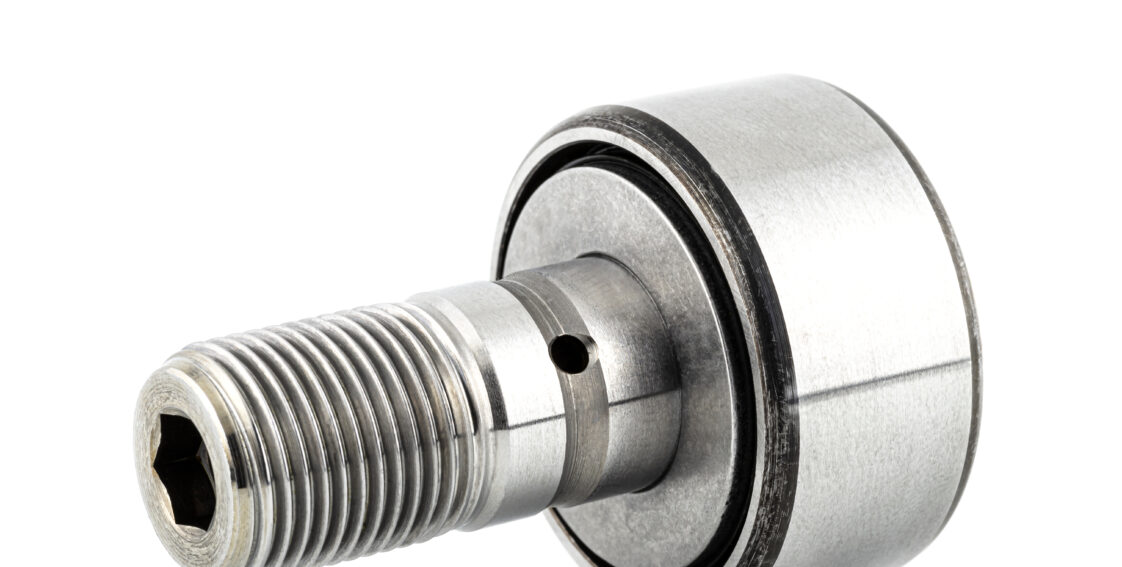
How does proper installation and alignment impact the performance and longevity of track bearings?
Proper installation and alignment play a critical role in the performance and longevity of track bearings. Correct installation ensures that the bearings are positioned and secured accurately, while proper alignment ensures that the load is distributed evenly and the bearings operate smoothly. Here’s an explanation of how proper installation and alignment impact the performance and longevity of track bearings:
Installation Impact:
- Load Distribution: Proper installation ensures that the track bearings are aligned and positioned correctly, allowing for even load distribution. When bearings are installed incorrectly, the load may be unevenly distributed, leading to excessive wear on certain parts of the bearings and reduced overall performance.
- Stability and Rigidity: Accurate installation provides stability and rigidity to the track bearings. Properly secured bearings minimize the risk of movement or vibration during operation, which can cause additional stress, premature wear, and potential damage to the bearings and surrounding components.
- Reduction of Misalignment: Correct installation minimizes the chances of misalignment between the track bearings and the track or guide rails. Misalignment can lead to uneven loading, increased friction, and accelerated wear and tear on the bearings. Proper alignment reduces these issues, ensuring smooth and efficient operation.
- Prevention of Contamination: During installation, it is important to take precautions to prevent contamination of the track bearings. Proper handling techniques, cleanliness, and the use of appropriate tools or protective measures help avoid introducing dirt, dust, or debris that can compromise the bearing’s performance and longevity.
Alignment Impact:
- Reduced Friction and Wear: Proper alignment of track bearings helps minimize friction and wear. When bearings are misaligned, excessive forces and irregular motion can occur, leading to increased friction and accelerated wear. Proper alignment ensures that the bearings operate within their intended design parameters, reducing friction and promoting longevity.
- Optimal Load Distribution: Correct alignment ensures that the load is distributed evenly across the track bearings. This prevents excessive stress on specific areas of the bearings, reducing the risk of premature failure and extending their service life. Optimal load distribution also contributes to smoother operation and improved overall performance.
- Minimized Noise and Vibration: Proper alignment helps minimize noise and vibration during operation. Misaligned track bearings can result in irregular motion, leading to unwanted noise and vibration that can affect the performance, comfort, and efficiency of the machinery or equipment. Proper alignment promotes smoother and quieter operation.
- Improved Efficiency: When track bearings are correctly aligned, the machinery or equipment experiences reduced resistance and improved efficiency. Misalignment can result in energy losses, increased power consumption, and decreased overall efficiency. Proper alignment ensures optimal power transfer and minimizes energy wastage.
It is important to follow the manufacturer’s guidelines and recommendations for the specific track bearings being installed. Proper installation techniques, including accurate positioning, secure fastening, and appropriate alignment, contribute to the optimal performance, reliability, and longevity of track bearings in various applications.
How do track bearings contribute to the precision, accuracy, and reliability of motion control systems?
Track bearings play a crucial role in enhancing the precision, accuracy, and reliability of motion control systems. They provide several key contributions that ensure smooth and consistent linear motion. Here’s a detailed explanation:
- Precision Guidance: Track bearings offer precise guidance for linear motion systems. They are designed with close tolerances and accurate geometries, allowing for accurate positioning and control of the moving components. This precision guidance ensures that the desired motion is achieved with minimal deviation or error.
- Smooth and Consistent Motion: By minimizing friction and providing smooth rolling or sliding surfaces, track bearings enable smooth and consistent motion in motion control systems. They reduce the effects of irregularities, misalignments, or vibrations, resulting in smoother operation and improved accuracy.
- Repeatable Performance: Track bearings provide repeatable performance in motion control systems. They offer consistent and predictable motion characteristics, allowing for precise and repeatable positioning of the moving components. This repeatability is essential in applications that require high accuracy and consistency, such as CNC machining, semiconductor manufacturing, and precision measurement systems.
- Load Distribution: Track bearings distribute the load evenly along their length, helping to minimize stress concentrations on specific components. This even load distribution improves the overall stability and reliability of the motion control system. It reduces the risk of component failure, deformation, or excessive wear, contributing to enhanced system reliability.
- Minimized Play and Backlash: Track bearings are designed to minimize play and backlash, which are undesirable movements or clearances between components. Play and backlash can introduce inaccuracies and reduce the precision of motion control systems. Track bearings with tight tolerances and optimized designs help minimize these undesirable effects, ensuring precise and accurate motion.
- Stiffness and Rigidity: Track bearings provide stiffness and rigidity to the motion control system. They resist deflection and maintain their shape under load, minimizing any unwanted flexing or bending. This stiffness enhances the overall stability and precision of the system, allowing for precise control and accurate motion even under varying loads or external forces.
- Resistance to Contamination: Track bearings are often equipped with seals or shields to protect against contaminants such as dirt, dust, or liquids. This protection helps maintain the precision and reliability of the motion control system by preventing the ingress of particles that could interfere with the smooth operation of the bearings or cause premature wear and failure.
By incorporating track bearings into motion control systems, industries can benefit from improved precision, accuracy, and reliability. Whether it’s achieving precise positioning, ensuring consistent and repeatable motion, minimizing play and backlash, or providing reliable load distribution, track bearings contribute to the overall performance and integrity of motion control systems.
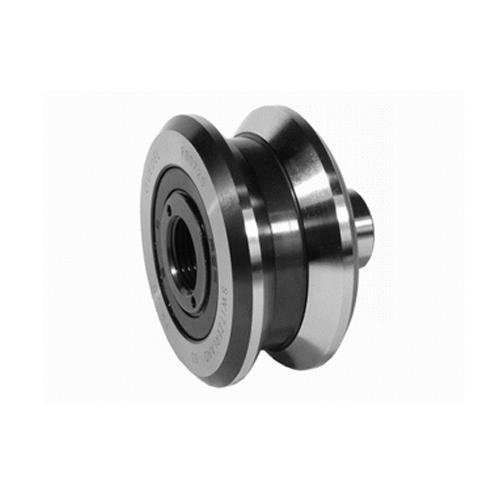
What are the components of a track bearing assembly and their functions?
A track bearing assembly consists of several components that work together to facilitate smooth and controlled motion along a track or guide rail. Let’s explore the components of a typical track bearing assembly and their functions:
- Outer Ring: The outer ring is the outermost component of a track bearing assembly. It provides structural support and houses the rolling elements. The outer ring is designed with a track or guide surface that interfaces with the track or rail, allowing the bearing to move along the desired path.
- Inner Ring: The inner ring is located inside the outer ring and provides a mounting surface for the bearing assembly. It may have a stud or shaft for attaching the bearing to the application. The inner ring helps in aligning and positioning the bearing assembly.
- Rolling Elements: The rolling elements are the components that enable smooth rolling motion between the inner and outer rings. In track bearings, the rolling elements are typically in the form of rollers or needles. They are designed to minimize friction and distribute the load evenly along the track surface.
- Cage: The cage, also known as a retainer, is a component that holds the rolling elements in position and maintains proper spacing between them. The cage prevents the rolling elements from contacting each other, reducing friction and wear. It also helps in guiding the rolling elements during operation.
- Seals or Shields: Track bearings often incorporate seals or shields to protect the internal components from contaminants such as dirt, dust, and moisture. Seals provide a physical barrier between the bearing and the external environment, while shields offer partial protection while allowing some lubrication to reach the rolling elements.
- Lubrication: Proper lubrication is crucial for the smooth operation and longevity of track bearings. Lubrication reduces friction, dissipates heat, and prevents wear between the rolling elements and raceways. Lubricants can be applied through grease fittings or oil ports, ensuring that the rolling elements roll smoothly along the track surface.
- Mounting Hardware: Depending on the specific design and application requirements, track bearing assemblies may include mounting hardware such as studs, bolts, or fasteners. These components are used to securely attach the bearing assembly to the application, ensuring proper alignment and stability.
By combining these components, a track bearing assembly provides reliable and controlled motion along a track or guide rail. The outer and inner rings, along with the rolling elements and cage, enable smooth rolling motion, while seals or shields protect the internal components from contaminants. Proper lubrication and mounting hardware ensure optimal performance and longevity of the track bearing assembly.


editor by CX 2024-03-29