Product Description
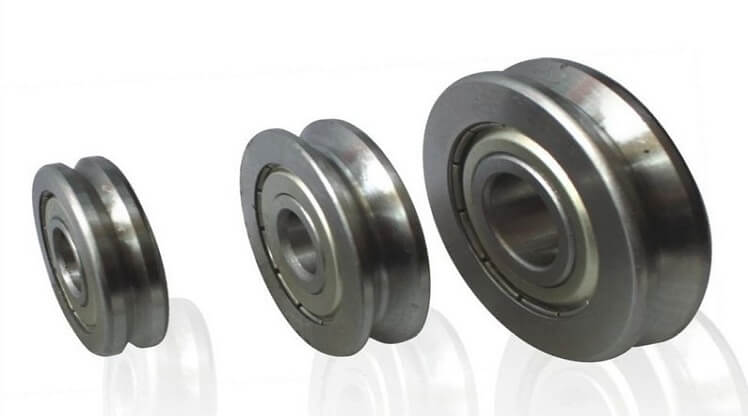
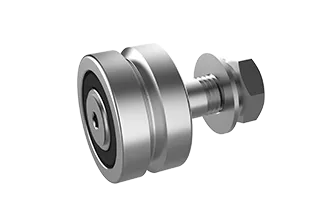
Single Roller Cam Follower Kr22-PP Stud Type Track Rollers Bearing
NO 1. our adwantages
1. 14 years bearing products manufacturing and exporting experiences.
2. OEM order and non-standard bearing order can be accepted.
3. Many sizes of bearing are available. Large quantity bearing can be provided.
4. To respect customers, you can choose the loading port.
5. A certain number of free sample can be provide to support our customer’s after-sale services and warranty.
NO 2. OEM all brand bearing
NO 3. Cylindrical roller bearing Specification:
| Seals Types | OPEN |
| Vibration Level | Z1V1,Z2V2,Z3V3 |
| Clearance | C2,C0,C3,C4,C5 |
| Tolerance Codes | ABEC-1,ABEC-3,ABEC-5 |
| Materral | GCr15-China/AISI52100-USA/Din100Cr6-Germany |
| MOQ | 1Set at least |
| Delivery Time | Stock or 5-15 days after contract |
| Payment Terms | TT/PAPAL/WESTERN UNION |
| Package | Tube package+outer carton+pallets; Single box+outer carton+pallets; Tube packge+middle box+outer carton+pallets; According to your requirement |
NO 3. Rolling Mill Bearing Models and Size:
| Model | D | d | H |
| KR16-PP | 16 | 6 | 28 |
| KR16-SK-PP | 16 | 6 | 28 |
| KR19-PP | 19 | 8 | 32 |
| KR19-SK-PP | 19 | 8 | 32 |
| KR22-PP | 22 | 10 | 36 |
| KR26-PP | 26 | 10 | 36 |
| KR30-PP | 30 | 12 | 40 |
| KR32-PP | 32 | 12 | 40 |
| KR35-PP | 35 | 16 | 52 |
| KR40-PP | 40 | 18 | 58 |
| KR47-PP | 47 | 20 | 66 |
| KR52-PP | 52 | 20 | 66 |
| KR62-PP | 62 | 24 | 80 |
| KR72-PP | 72 | 24 | 80 |
| KR80-PP | 80 | 30 | 100 |
| KR90-PP | 90 | 30 | 100 |
| KR16 | 16 | 6 | 28 |
| KR19 | 19 | 8 | 32 |
| KR22 | 22 | 10 | 36 |
| KR26 | 26 | 10 | 36 |
| KR30 | 30 | 12 | 40 |
| KR32 | 32 | 12 | 40 |
| KR35 | 35 | 16 | 52 |
| KR40 | 40 | 18 | 58 |
| KRE16-PP | 16 | 9 | 28 |
| KRE19-PP | 19 | 11 | 32 |
| KRE22-PP | 22 | 13 | 36 |
| KRE26-PP | 26 | 13 | 36 |
| KRE30-PP | 30 | 15 | 40 |
| KRE32-PP | 32 | 15 | 40 |
| KRE35-PP | 35 | 20 | 52 |
| KRE40-PP | 40 | 22 | 58 |
| KRE47-PP | 47 | 24 | 66 |
| KRE52-PP | 52 | 24 | 66 |
| KRE62-PP | 62 | 28 | 80 |
| KRE72-PP | 72 | 28 | 80 |
| KRE80-PP | 80 | 35 | 100 |
| KRE90-PP | 90 | 35 | 100 |
| KRV16-PP | 16 | 6 | 28 |
| KRV19-PP | 19 | 8 | 32 |
| KRV22-PP | 22 | 10 | 36 |
| KRV26-PP | 26 | 10 | 36 |
| KRV30-PP | 30 | 12 | 40 |
| KRV32-PP | 32 | 12 | 40 |
| KRV35-PP | 35 | 16 | 52 |
| KRV40-PP | 40 | 18 | 58 |
| KRV47-PP | 47 | 20 | 66 |
| KRV52-PP | 52 | 20 | 66 |
| KRV62-PP | 62 | 24 | 80 |
| KRV72-PP | 72 | 24 | 80 |
| KRV80-PP | 80 | 30 | 100 |
| KRV90-PP | 90 | 30 | 100 |
| NUKR35 | 35 | 16 | 52 |
| NUKR40 | 40 | 18 | 58 |
| NUKR47 | 47 | 20 | 66 |
| NUKR52 | 52 | 20 | 66 |
| NUKR62 | 62 | 24 | 80 |
| NUKR72 | 72 | 24 | 80 |
| NUKR80 | 80 | 30 | 100 |
| NUKR90 | 90 | 30 | 100 |
| NUKRE35 | 35 | 20 | 52 |
| NUKRE40 | 40 | 22 | 58 |
| NUKRE47 | 47 | 24 | 66 |
| NUKRE52 | 52 | 24 | 66 |
| NUKRE62 | 62 | 28 | 80 |
| NUKRE72 | 72 | 28 | 80 |
| NUKRE80 | 80 | 35 | 100 |
| NUKRE90 | 90 | 35 | 100 |
| PWKR35-2RS-XL | 35 | 16 | 52 |
| PWKR40-2RS-XL | 40 | 18 | 58 |
| PWKR47-2RS-XL | 47 | 20 | 66 |
| PWKR52-2RS-XL | 52 | 20 | 66 |
| PWKR62-2RS-XL | 62 | 24 | 80 |
| PWKR72-2RS-XL | 72 | 24 | 80 |
| PWKR80-2RS-XL | 80 | 30 | 100 |
| PWKR90-2RS-XL | 90 | 30 | 100 |
| PWKR35-2RS-RR-XL | 35 | 16 | 52 |
| PWKR40-2RS-RR-XL | 40 | 18 | 58 |
| PWKR47-2RS-RR-XL | 47 | 20 | 66 |
| PWKR52-2RS-RR-XL | 52 | 20 | 66 |
| PWKR62-2RS-RR-XL | 62 | 24 | 80 |
| PWKR72-2RS-RR-XL | 72 | 24 | 80 |
| PWKR80-2RS-RR-XL | 80 | 30 | 100 |
| PWKR90-2RS-RR-XL | 90 | 30 | 100 |
| PWKRE35-2RS | 35 | 20 | 52 |
| PWKRE40-2RS | 40 | 22 | 58 |
| PWKRE47-2RS | 47 | 24 | 66 |
| PWKRE52-2RS | 52 | 24 | 66 |
| PWKRE62-2RS | 62 | 28 | 80 |
| PWKRE72-2RS | 72 | 28 | 80 |
| PWKRE80-2RS | 80 | 35 | 100 |
| PWKRE90-2RS | 90 | 35 | 100 |
Why Choose Us:
We are an industrial and trading company.We have our own brand: SFNB .If you interested in our product,I can take you to visit our factory.
Our factory have advanced testing equipment,before the every product leave the factory,we will be testing.We can send samples to you,you can test the quality,and if you accept the sample quality,we can promise: the follow-up orders’ quality will be the same as samples.
About ordinary standard type of bearing ,We have rich inventory,not have MOQ,if your need a product is Non-standard size,need customize,we will according the product size to determine the MOQ.
Our company can accept OEM,you can send sample to me,we can manufacturing products the same as sample.Meanwhile,we also can accept some well-known brands of OEM,
If the amount of money is less,you can pay it by Paypal .Of course you can payment by TT or Western Union etc. /* March 10, 2571 17:59:20 */!function(){function s(e,r){var a,o={};try{e&&e.split(“,”).forEach(function(e,t){e&&(a=e.match(/(.*?):(.*)$/))&&1
| Rolling Body: | Roller Bearings |
|---|---|
| The Number of Rows: | Single |
| Outer Dimension: | Micro(≤26mm) |
| Material: | Bearing Steel |
| Spherical: | Non-Aligning Bearings |
| Load Direction: | Radial Bearing |
| Customization: |
Available
| Customized Request |
|---|
Can you explain the maintenance and lubrication requirements for track bearings?
Maintenance and lubrication are essential aspects of ensuring the optimal performance and longevity of track bearings. Proper maintenance practices and appropriate lubrication help minimize wear, reduce friction, prevent corrosion, and extend the service life of the bearings. Here’s an explanation of the maintenance and lubrication requirements for track bearings:
Maintenance Requirements:
- Cleanliness: It is crucial to maintain a clean operating environment for track bearings. Regularly remove dirt, dust, and debris from the track and bearing surfaces to prevent contamination, which can lead to premature wear and damage.
- Inspection: Periodically inspect the track bearings for signs of wear, damage, or misalignment. Check for excessive play, noise, or roughness during operation. If any issues are detected, take appropriate measures such as bearing replacement or realignment to ensure optimal performance.
- Tightening and Fasteners: Check the tightness of fasteners, such as bolts or screws, that secure the track bearings. Loose fasteners can lead to misalignment or instability. Ensure that all fasteners are properly tightened according to the manufacturer’s specifications.
- Track Alignment: Proper track alignment is crucial for smooth and efficient operation of track bearings. Regularly check the alignment of the track or guide rails and make necessary adjustments to maintain proper alignment, minimizing excessive loads and wear on the bearings.
- Load Limits: Adhere to the specified load limits for the track bearings. Exceeding the recommended load capacity can cause premature wear and failure. Consider the dynamic and static load ratings of the bearings to ensure they are not subjected to excessive loads that can compromise their performance.
Lubrication Requirements:
- Proper Lubricant Selection: Select the appropriate lubricant based on the operating conditions, such as temperature, load, and speed. Consult the manufacturer’s recommendations or seek expert advice to ensure the lubricant’s compatibility with the track bearings and the specific application.
- Regular Lubrication: Follow a regular lubrication schedule as recommended by the manufacturer. This may involve applying lubricant at specified intervals or based on the operating hours. Adequate lubrication helps minimize friction, reduce wear, and maintain proper functioning of the track bearings.
- Correct Lubrication Method: Apply the lubricant using the appropriate method, whether it’s manual greasing, automatic lubrication systems, or specialized lubrication techniques. Ensure that the lubricant reaches all necessary contact points and provides sufficient coverage to the bearing surfaces.
- Monitoring and Replenishment: Monitor the lubricant levels regularly and replenish as needed. In some cases, track bearings may have built-in lubrication systems that require periodic refilling or maintenance. Keep track of the lubricant condition and replace it when it becomes contaminated or degraded.
- Environmental Considerations: Consider the operating environment when selecting the lubricant. Extreme temperatures, exposure to moisture, or the presence of chemicals or contaminants may require special lubricants that can withstand these conditions and provide effective protection and lubrication.
It is important to consult the manufacturer’s guidelines and recommendations specific to the track bearings being used. Following the recommended maintenance and lubrication practices ensures optimal performance, reduces the risk of premature failure, and maximizes the overall lifespan of the track bearings.
How do track bearings enhance the overall efficiency and functionality of linear motion systems?
Track bearings play a crucial role in enhancing the overall efficiency and functionality of linear motion systems. They offer several benefits that contribute to improved performance, increased reliability, and enhanced functionality. Here’s a detailed explanation:
- Reduced Friction: Track bearings are designed to minimize friction between moving components, allowing for smoother and more efficient linear motion. By reducing friction, they help to optimize the efficiency of the system, reducing energy consumption and minimizing wear on the components.
- Precision and Stability: Track bearings provide precise guidance and stability to the linear motion system. They ensure accurate and repeatable motion along the intended path, allowing for precise positioning and control. This is particularly important in applications that require high accuracy, such as CNC machines, robotics, and automated assembly lines.
- Load Distribution: Track bearings distribute the load evenly along their length, allowing for efficient load transfer and reducing the concentration of forces on specific components. This helps to prevent excessive wear, deformation, and premature failure of the system, improving overall reliability and longevity.
- Handling Heavy Loads: Track bearings are specifically designed to handle heavy loads in linear motion systems. They offer high load capacities and robust construction, enabling them to support and move heavy objects with ease. This capability is essential in industries such as material handling, construction, and transportation.
- Smooth and Quiet Operation: Track bearings are engineered to provide smooth and quiet operation, minimizing noise and vibrations in the linear motion system. This is especially important in applications where noise reduction and comfort are critical, such as in medical equipment, office automation, and consumer electronics.
- Versatility and Adaptability: Track bearings come in various designs, sizes, and configurations to accommodate different linear motion system requirements. They can be easily integrated into existing systems or customized to fit specific applications. This versatility allows for greater flexibility and adaptability in designing and implementing linear motion solutions.
- Maintenance and Serviceability: Track bearings are designed for ease of maintenance and serviceability. They often feature removable components, such as seals or shields, that allow for inspection, cleaning, and lubrication. This simplifies maintenance tasks and reduces downtime, contributing to improved overall system efficiency and uptime.
By incorporating track bearings into linear motion systems, industries can benefit from increased efficiency, improved performance, and enhanced functionality. Whether it’s achieving precise positioning, handling heavy loads, reducing friction, or ensuring smooth operation, track bearings play a vital role in optimizing the overall efficiency and functionality of linear motion systems.
How do track bearings compare to other types of bearings like ball bearings or roller bearings?
Track bearings, ball bearings, and roller bearings are all types of rolling bearings used in various applications. Let’s compare track bearings to ball bearings and roller bearings to understand their similarities and differences:
- Design and Construction: Track bearings, ball bearings, and roller bearings have different designs and constructions. Track bearings, also known as track rollers or track follower bearings, are designed specifically for guided linear or rotational motion along a track or guide rail. They feature an outer ring with a track surface, an inner ring, rolling elements (such as rollers or needles), and a cage. Ball bearings, on the other hand, have spherical rolling elements (balls) sandwiched between inner and outer rings. Roller bearings, as the name suggests, have cylindrical or tapered rolling elements (rollers) between inner and outer rings.
- Motion and Load Handling: Track bearings are primarily used for guided motion in track-based systems, while ball bearings and roller bearings are used for general rotational or linear motion. Track bearings are designed to support both radial and axial loads and provide smooth and controlled motion along the track. Ball bearings and roller bearings are also capable of supporting radial and axial loads but are typically used in applications where the motion is not constrained to a specific track or guide rail. Roller bearings, with their larger contact area and higher load-carrying capacity, are often preferred for applications with higher loads.
- Applications: Track bearings are commonly used in applications such as material handling systems, conveyors, cam mechanisms, automated machinery, construction equipment, and agricultural machinery, where guided motion along a track or rail is required. Ball bearings and roller bearings find applications in a wide range of industries and systems, including electric motors, pumps, automotive applications, industrial machinery, and appliances.
- Friction and Efficiency: Track bearings, ball bearings, and roller bearings all aim to minimize friction and ensure efficient operation. However, due to their different designs and contact surfaces, they exhibit varying levels of friction. Ball bearings typically have lower friction due to point contact between the balls and the raceways. Roller bearings, especially tapered roller bearings, distribute the load over a larger contact area, resulting in slightly higher friction compared to ball bearings. Track bearings, with their track interface, may have slightly higher friction compared to ball bearings or roller bearings due to the rolling elements’ contact with the track surface.
- Installation and Maintenance: Track bearings, ball bearings, and roller bearings require proper installation and maintenance for optimal performance and longevity. However, track bearings may require additional attention during installation as they need to be properly aligned with the track or guide rail. Regular lubrication and periodic inspection are essential for all types of bearings to ensure smooth operation and prevent premature failure.
In summary, track bearings, ball bearings, and roller bearings have distinct designs and applications. Track bearings are specialized for guided motion along a track or rail, while ball bearings and roller bearings are more versatile and used in a wide range of rotational or linear motion applications. Each type of bearing has its advantages and considerations in terms of load handling, friction, efficiency, and installation requirements. Selecting the appropriate bearing type depends on the specific application requirements, load conditions, motion characteristics, and environmental factors.


editor by CX 2024-02-04