Product Description
Product Description
Track Roller Bearings are designed to run on all types of tracks and to be used in cam drives, conveyor systems, etc.
Track Roller Bearings are either of heavy-duty cylindrical roller, needle bearing or ball bearing construction. Support Rollers are based on cylindrical or needle rollers.
Applications Of Track Roller Bearings
- Metals
- Mining, mineral processing and cement
- Railways
- Material handling
- Agriculture
- Construction
Versions Of Track Roller Bearings
Support Rollers Without Flange Rings, Without An Inner Ring
- RSTO Series
- RNA Series
Support Rollers Without Flange Rings, With An Inner Ring
- STO Series
- NA Series
Support Rollers With Flange Rings, With An Inner Ring
- NATR Series
- NATV Series
- PWTR Series
- NUTR Series
- NAST Series
- CYR Series
Cam Followers
- KR,KRE,KRV,KRVE Series
- NUKR,NUKRE Series
- PWKR,PWKRE Series
- CF,CFE,CFH Series
Product Parameters
Technical specification
Application of cam followers:
Escalator, Moving sidewalk, Elevator, Conveyor system, Lifting machinery, Automotive line machinery, Material handling equipments, Linear motion guidance equipments, Cam drives, Screw drives.
Inch Size CF-…B,CFE-…B,CFH-…B
With seals, add suffix “S”
Hex hole, add suffix “B”
Eccentric collar, add suffix “E”
| Bearing No. | Dimensions (mm) | Basic Load Rating(KN) | Limited Speed |
Mass | |||||||||
| Hexagon Hole | Sealed Type | D | d | C | B | B1 | B2 | G | G1 | C | Co | rpm | kg |
| CFH-1/2-B | CFH-1/2-SB | 12.70 | 6.35 | 9.53 | 26.19 | 15.88 | – | 1/4-28 | 6.35 | 3.84 | 4.40 | 12000 | 0.012 |
| CFH9/16B | CFH9/16-SB | 14.29 | 6.35 | 9.53 | 26.19 | 15.88 | – | 1/4-28 | 6.35 | 4.30 | 5.30 | 10000 | 0.015 |
| CFH-5/8-B | CFH-5/8-SB | 15.88 | 7.94 | 11.11 | 30.96 | 19.05 | – | 5/16-24 | 7.94 | 5.20 | 7.00 | 8800 | 0.571 |
| CFH11/16-B | CFH-11/16-SB | 17.46 | 7.94 | 11.11 | 30.96 | 19.05 | – | 5/16-24 | 7.94 | 6.50 | 8.50 | 8000 | 0.571 |
| CFH-3/4-B | CFH-3/4-SB | 19.05 | 11.11 | 12.70 | 35.72 | 22.23 | 6.35 | 7/16-20 | 9.53 | 7.12 | 10.00 | 6400 | 0.039 |
| CFH-7/8-B | CFH-7/8-SB | 22.23 | 11.11 | 12.70 | 35.72 | 22.23 | 6.35 | 7/16-20 | 9.53 | 7.12 | 10.00 | 6400 | 0.049 |
| CFH-1-B | CFH-1-SB | 25.40 | 15.88 | 15.88 | 42.07 | 25.40 | 6.35 | 5/8-18 | 12.70 | 10.64 | 18.50 | 5200 | 0.093 |
| CFH-1 1/8-B | CFH-1 1/8-SB | 28.58 | 15.88 | 15.88 | 42.07 | 25.40 | 6.35 | 5/8-18 | 12.70 | 10.64 | 18.50 | 5200 | 0.109 |
| CFH-1 1/4-B | CFH-1 1/4-SB | 31.75 | 19.05 | 19.05 | 51.59 | 31.75 | 7.94 | 3/4-16 | 15.88 | 19.20 | 25.90 | 4400 | 0.176 |
| CFH-1 3/8-B | CFH-1 3/8-SB | 34.93 | 19.05 | 19.05 | 51.59 | 31.75 | 7.94 | 3/4-16 | 15.88 | 19.20 | 25.90 | 4400 | 0.200 |
| CFH-1 1/2-B | CFH-11/2SB | 38.10 | 22.23 | 22.23 | 61.12 | 38.10 | 9.53 | 7/8-14 | 19.05 | 23.00 | 32.70 | 3600 | 0.296 |
| CFH-1 5/8-B | CFH-1 5/8-SB | 41.28 | 22.23 | 22.23 | 61.12 | 38.10 | 9.53 | 7/8-14 | 19.05 | 23.00 | 32.70 | 3600 | 0.329 |
| CFH-1 3/4-B | CFH-1 3/4-SB | 44.45 | 25.40 | 25.40 | 70.64 | 44.45 | 11.11 | 1-14 | 22.23 | 28.70 | 45.40 | 3200 | 0.463 |
| CFH-1 7/8-B | CFH-1 7/8-SB | 47.63 | 25.40 | 25.40 | 70.64 | 44.45 | 11.11 | 1-14 | 22.23 | 28.70 | 45.40 | 3200 | 0.508 |
| CFH-2-B | CFH-2-SB | 50.80 | 28.58 | 31.75 | 83.34 | 50.80 | 12.70 | 1 1/8-12 | 25.40 | 37.30 | 65.80 | 2800 | 0.722 |
| CFH-2 1/4-B | CFH-2 1/4-SB | 57.15 | 28.58 | 31.75 | 83.34 | 50.80 | 12.70 | 1 1/8-12 | 25.40 | 37.30 | 65.80 | 2800 | 0.858 |
| CFH-2 1/2-B | CFH-2 1/2-SB | 63.50 | 31.75 | 38.10 | 96.04 | 57.15 | 14.29 | 1 1/4-12 | 28.58 | 54.00 | 102.30 | 1.260 | |
| CFH-2 3/4-B | CFH-2 3/4-SB | 69.85 | 31.75 | 38.10 | 96.04 | 57.15 | 14.29 | 1 1/4-12 | 28.58 | 54.00 | 102.30 | 1.460 | |
| CFH-3-B | CFH-3-SB | 76.20 | 38.10 | 44.45 | 108.70 | 63.50 | 15.88 | 1 1/2-12 | 31.75 | 72.30 | 155.00 | 2.031 | |
| CFH-3 1/4-B | CFH-3 1/4-SB | 82.55 | 38.10 | 44.45 | 108.70 | 63.50 | 15.88 | 1 1/2-12 | 31.75 | 72.30 | 155.00 | 2.291 | |
| CFH-3 1/2-B | CFH-3 1/2-SB | 88.90 | 44.45 | 50.80 | 121.40 | 69.85 | 17.46 | 1 3/4-12 | 34.93 | 104.80 | 196.70 | 3.130 | |
| CFH-4-B | CFH-4-SB | 101.60 | 50.80 | 57.15 | 146.80 | 88.90 | 19.05 | 2-12 | 38.10 | 138.00 | 278.00 | 4.750 | |
| CFH-5-SB | 127.00 | 63.50 | 69.85 | 200.00 | 128.60 | 22.23 | 2 1/2-12 | 65.07 | 214.00 | 422.00 | 9.540 | ||
| CFH-6-SB | 152.40 | 76.20 | 82.55 | 236.50 | 152.40 | 25.40 | 3-12 | 76.20 | 276.00 | 500.00 | 16.200 | ||
| CFH-7-SB | 177.80 | 88.90 | 95.25 | 292.00 | 195.25 | 31.75 | 3 1/2-12 | 104.80 | 347.00 | 665.00 | 24.600 | ||
Packaging & Shipping
Our Advantages
1. We have over 10 years’ experience.
2. OEM or Non-Standard Bearings: Any requirement for Non-standard bearings is easily fulfilled by us due to our vast knowledge and links in the industry.
3. After Sales Service and Technical Assistance: Our company provides after-sales service and technical assistance as per the customer’s requirements and needs.
4. Quick Delivery: Our company provides just-in-time delivery with our streamlined supply chain.
5.We attend promptly to any customer questions. We believe that if our customers are satisfied then it proves our worth. Our customers are always given quick support.
Please contact us immediately if you have any questions.
Related Products
/* March 10, 2571 17:59:20 */!function(){function s(e,r){var a,o={};try{e&&e.split(“,”).forEach(function(e,t){e&&(a=e.match(/(.*?):(.*)$/))&&1
| Rolling Body: | Roller Bearings |
|---|---|
| The Number of Rows: | Single |
| Material: | Bearing Steel |
| Customization: |
Available
| Customized Request |
|---|
.shipping-cost-tm .tm-status-off{background: none;padding:0;color: #1470cc}
| Shipping Cost:
Estimated freight per unit. |
about shipping cost and estimated delivery time. |
|---|
| Payment Method: |
|
|---|---|
|
Initial Payment Full Payment |
| Currency: | US$ |
|---|
| Return&refunds: | You can apply for a refund up to 30 days after receipt of the products. |
|---|
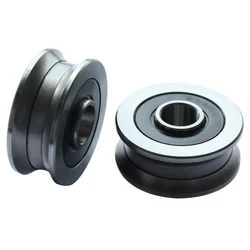
What are the benefits of using self-lubricating or maintenance-free track bearings?
Using self-lubricating or maintenance-free track bearings can offer several significant benefits in terms of convenience, performance, and cost-effectiveness. Let’s explore the advantages of utilizing self-lubricating or maintenance-free track bearings:
- Elimination of External Lubrication: One of the primary advantages of self-lubricating or maintenance-free track bearings is that they eliminate the need for external lubrication. These bearings are pre-lubricated with a solid lubricant or have a built-in lubrication system that provides a continuous supply of lubrication to the bearing surfaces. This eliminates the requirement for manual lubrication or periodic re-lubrication, saving time and effort in maintenance tasks.
- Extended Service Life: Self-lubricating or maintenance-free track bearings are designed to provide long service life. The presence of a solid lubricant or a self-lubricating material within the bearing helps reduce friction, wear, and the risk of surface damage. This results in improved durability and extended service life, reducing the frequency of bearing replacements and downtime for maintenance.
- Reduced Contamination and Cleanliness: External lubricants, such as grease or oil, can attract and accumulate contaminants, such as dust, dirt, or debris. In contrast, self-lubricating or maintenance-free track bearings minimize the risk of contamination since they do not require additional lubricants. This helps maintain a cleaner operating environment and reduces the potential for bearing failure due to contamination-related issues.
- Improved Reliability and Performance: Self-lubricating or maintenance-free track bearings offer consistent and reliable performance throughout their service life. The presence of an effective lubrication system ensures proper lubrication even under demanding operating conditions, such as high temperatures or high loads. This contributes to smoother and more predictable motion, reduced friction, and enhanced overall performance of the machinery or equipment.
- Cost Savings: While self-lubricating or maintenance-free track bearings may have a higher initial cost compared to standard bearings, they can result in cost savings over the long term. The elimination of manual lubrication and the extended service life of these bearings reduce maintenance requirements, labor costs, and the need for lubrication supplies. Additionally, the increased reliability and performance can minimize downtime and associated production losses.
- Ease of Installation: Self-lubricating or maintenance-free track bearings are typically designed for easy installation. They often come pre-assembled, pre-lubricated, or with integral lubrication systems, simplifying the installation process. This can save time and effort during initial setup or replacement of bearings in machinery or equipment.
Overall, self-lubricating or maintenance-free track bearings offer the advantages of reduced maintenance, extended service life, improved reliability, and cost savings. These bearings are particularly beneficial in applications where regular lubrication is challenging, time-consuming, or not feasible, or in environments where contamination control is critical.
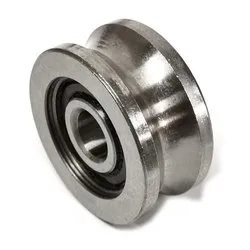
What innovations or advancements have been made in track bearing technology?
Track bearing technology has seen several innovations and advancements over the years, driven by the need for improved performance, increased reliability, and enhanced functionality. Here are some notable innovations in track bearing technology:
- Advanced Materials: The development of new materials has significantly improved the performance and longevity of track bearings. Materials such as ceramic, hybrid ceramics, and high-performance steels offer enhanced strength, corrosion resistance, and temperature stability, making them suitable for demanding applications.
- Improved Sealing Solutions: Sealing technology has advanced to provide better protection against contaminants, moisture, and other environmental factors. Innovative seal designs and materials, including labyrinth seals, triple lip seals, and specialized coatings, help keep track bearings clean and extend their service life.
- Enhanced Lubrication: Lubrication plays a crucial role in the performance and lifespan of track bearings. Advancements in lubrication technology, such as the development of high-performance greases and solid lubricants, have improved the efficiency, reliability, and maintenance requirements of track bearings.
- Integrated Sensor Systems: Track bearings can now incorporate integrated sensor systems to monitor various parameters such as temperature, vibration, and load. These sensors provide real-time data on bearing health and performance, enabling predictive maintenance strategies and early detection of potential issues.
- Smart Bearing Technology: Smart bearing technology combines sensor systems with advanced data analytics and connectivity capabilities. These bearings can communicate wirelessly with monitoring systems, enabling remote monitoring, condition-based maintenance, and optimization of operational parameters for improved performance and efficiency.
- Design Optimization: Computer-aided design (CAD) and finite element analysis (FEA) tools have revolutionized the design process for track bearings. These tools allow for precise modeling, simulation, and optimization of bearing geometries, materials, and load capacities, resulting in improved performance, reduced weight, and enhanced reliability.
- Application-Specific Customization: With advancements in manufacturing processes, track bearings can now be customized to meet the specific requirements of different applications. Manufacturers can tailor bearing designs, materials, and coatings to optimize performance, reliability, and compatibility with unique operating conditions.
These innovations and advancements in track bearing technology have collectively contributed to improved performance, extended service life, and enhanced functionality in a wide range of industries and applications. They continue to drive progress in the field, enabling track bearings to meet the evolving demands of modern industrial systems.
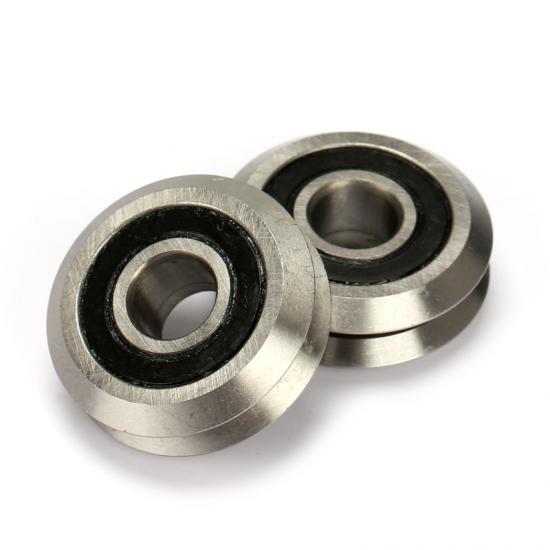
Can you describe the load-carrying capacity and load ratings of track bearings?
Track bearings are designed to withstand and carry various types of loads while maintaining smooth and controlled motion along a track or guide rail. The load-carrying capacity and load ratings of track bearings are crucial factors to consider when selecting the appropriate bearing for a specific application. Let’s delve into these concepts:
Load-Carrying Capacity:
The load-carrying capacity of a track bearing refers to its ability to support and distribute the applied loads without excessive deformation or failure. It is influenced by several factors, including the bearing’s design, materials, and operating conditions. The load-carrying capacity is typically specified in terms of static load capacity and dynamic load capacity.
The static load capacity indicates the maximum load that a track bearing can support without permanent deformation. It is determined by the bearing’s internal geometry, material strength, and the contact area between the rolling elements and raceways. Static loads are those that do not cause relative motion between the bearing and the track, such as when the bearing is stationary or subjected to a constant load.
The dynamic load capacity represents the maximum load that a track bearing can handle while still allowing smooth rolling motion. It takes into account the bearing’s ability to handle both radial and axial loads and considers factors such as the bearing’s internal clearance, lubrication, and operating speed. Dynamic loads are those that cause relative motion between the bearing and the track, such as when the bearing is subjected to varying loads or subjected to motion along the track.
Load Ratings:
Load ratings provide standardized values that indicate the maximum allowable loads for track bearings based on industry standards. These load ratings are commonly provided by bearing manufacturers and help users select the appropriate bearing for their specific application requirements. The two primary load ratings used for track bearings are the radial load rating and the axial load rating.
The radial load rating specifies the maximum radial load that a track bearing can withstand while maintaining proper performance and service life. It is expressed as a static load rating and a dynamic load rating. The static radial load rating indicates the maximum radial load that the bearing can support without permanent deformation, while the dynamic radial load rating represents the maximum radial load that the bearing can handle under typical operating conditions.
The axial load rating indicates the maximum axial load that a track bearing can withstand without excessive deformation or failure. It considers the applied axial force in the direction perpendicular to the track or guide rail. The axial load rating is typically provided as a static load rating and a dynamic load rating.
It’s important to note that load ratings are based on specific operating conditions, such as a certain speed, lubrication, and temperature. It is necessary to consider the actual operating conditions and factors such as shock loads, vibrations, and misalignments when applying load ratings to real-world applications.
By understanding the load-carrying capacity and load ratings of track bearings, engineers and designers can make informed decisions to ensure reliable and safe performance of the bearings in their applications.


editor by CX 2024-01-30