Product Description
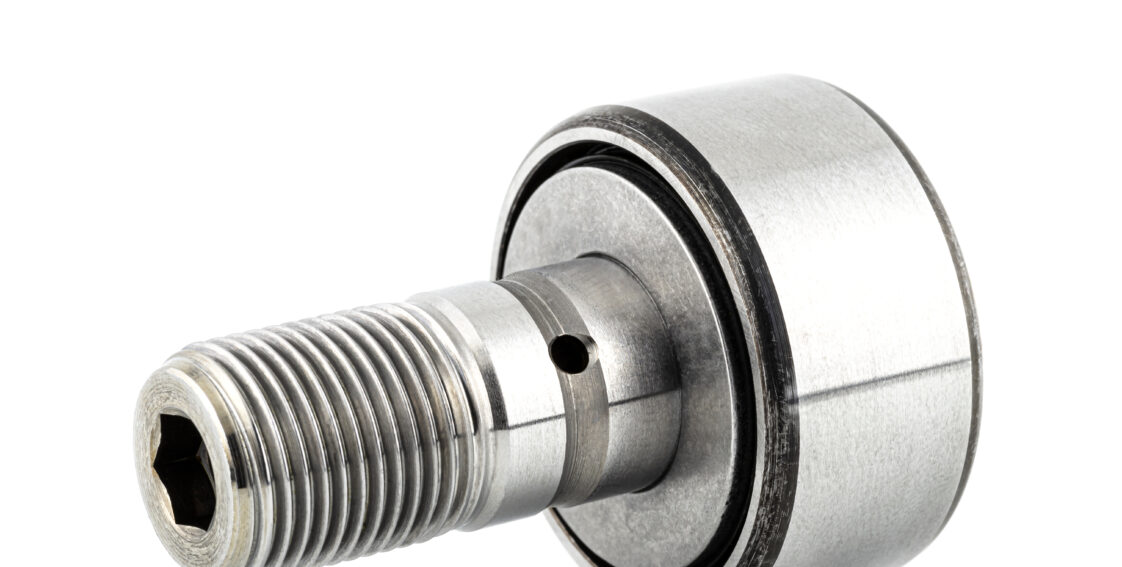
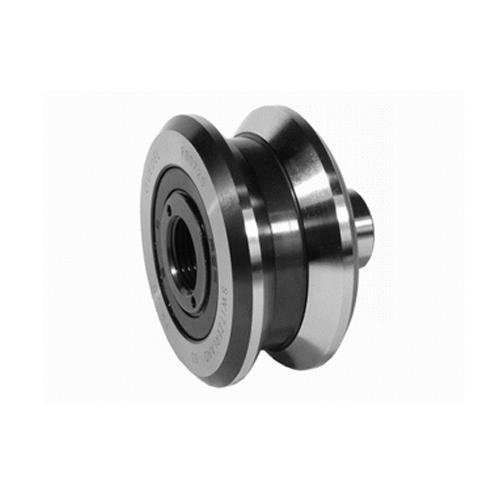
NATR Yoke Type Track Rollers NATR20 Cam Followers
Description of NATR Yoke Type Track Rollers NATR20 Cam Followers
| Series | Description |
| NATR | Yoke type track rollers with axial guidance by washers,gap seal,with inner ring |
| NATR…PP | Yoke type track rollers with additional sealing rings |
| NATV | Yoke type track rollers with axial guidance by washers,full complement,gap seal,with inner ring |
| NATV…PP | Yoke type track rollers with additional sealing rings |
| NUTR | Yoke type track rollers with axial guidance by the rolling element,full complement,gap seal,with inner ring |
| KR | Stud type track rollers with axial guidance by rid and washer,gap seal |
| KR…PP | Stud type track rollers with sealing rings |
| KRE | Stud type track rollers with eccentric collar |
| KRE…PP | Stud type track rollers with eccentric collar and sealing rings |
| KRV | Stud type track rollers with axial guidance by rid and washer,full complement, gap seal |
| KRV…PP | Stud type track rollers with sealing rings |
| KRVE | Stud type track rollers with eccentric collar |
| KRVE…PP | Stud type track rollers with eccentric collar and sealing rings |
| NUKR | Stud type track rollers with axial guidance by the rolling element,full complement, gap seals |
| NUKRE | Stud type track rollers with eccentric collar |
| CF | Stud type track rollers with cage ,the same as KR series |
Catalogue of NATR Yoke Type Track Rollers NATR20 Cam Followers
|
Outside Diameter |
Bearing Designation and mass approx |
Borndary Dimensions | Basic Load Rating |
Limiting Speed |
||||||||||
|
Without seal |
Mass | Sealed | Mass | d | D | B | C | d1 | Cr | Cor | As Yoke Type Track Rollers | Grease | ||
| Dynamic | Static | Cw | Cow | |||||||||||
| mm | g | g | mm | N | rpm | |||||||||
| 16 | NATR 5 | 14 | NATR 5 PP | 14 | 5 | 16 | 12 | 11 | 12 | 3050 | 3000 | 2050 | 2400 | 22000 |
| NATV 5 | 15 | NATV 5 PP | 15 | 5 | 16 | 12 | 11 | 12 | 4500 | 6300 | 3680 | 4300 | 8500 | |
| 19 | NATR 6 | 20 | NATR 6 PP | 20 | 6 | 19 | 12 | 11 | 14 | 3600 | 3650 | 2450 | 2850 | 20000 |
| NATV 6 | 21 | NATV 6 PP | 21 | 6 | 19 | 12 | 11 | 14 | 5700 | 8700 | 4600 | 6750 | 7000 | |
| 24 | NATR 8 | 41 | NATR 8 PP | 41 | 8 | 24 | 15 | 14 | 19 | 4500 | 5400 | 3900 | 4500 | 5000 |
| NATV 8 | 42 | NATV 8 PP | 42 | 8 | 24 | 15 | 14 | 19 | 8600 | 12000 | 6700 | 9800 | 5500 | |
| 30 | NATR 10 | 64 | NATR 10 PP | 64 | 10 | 30 | 15 | 14 | 23 | 6100 | 7800 | 4500 | 6900 | 11000 |
| NATV 10 | 65 | NATV 10 PP | 65 | 10 | 30 | 15 | 14 | 23 | 10900 | 17000 | 7600 | 11800 | 4500 | |
| 32 | NATR 12 | 71 | NATR 12 PP | 71 | 12 | 32 | 15 | 14 | 25 | 6600 | 9800 | 4660 | 7000 | 9000 |
| NATV 12 | 72 | NATV 12 PP | 72 | 12 | 32 | 15 | 14 | 25 | 11800 | 19000 | 7800 | 13000 | 3900 | |
| 35 | NATR 15 | 103 | NATR 15 PP | 103 | 15 | 35 | 19 | 18 | 27 | 10500 | 17500 | 7800 | 11500 | 7000 |
| NATV 15 | 105 | NATV 15 PP | 105 | 15 | 35 | 19 | 18 | 27 | 16000 | 32500 | 15710 | 20500 | 3400 | |
| 40 | NATR 17 | 144 | NATR 17 PP | 144 | 17 | 40 | 21 | 20 | 32 | 11800 | 19400 | 9500 | 13500 | 6000 |
| NATV 17 | 152 | NATV 17 PP | 152 | 17 | 40 | 21 | 20 | 32 | 19600 | 37000 | 1200 | 23000 | 2900 | |
| 47 | NATR 20 | 246 | NATR 20 PP | 246 | 20 | 47 | 25 | 24 | 37 | 17500 | 29800 | 13500 | 22500 | 4900 |
| NATV 20 | 254 | NATV 20 PP | 254 | 20 | 47 | 25 | 24 | 37 | 25800 | 57000 | 19000 | 39500 | 2600 | |
| 52 | NATR 25 | 275 | NATR 25 PP | 275 | 25 | 52 | 25 | 24 | 42 | 19500 | 36500 | 13400 | 23500 | 3600 |
| NATV 25 | 285 | NATV 25 PP | 285 | 25 | 52 | 25 | 24 | 42 | 29000 | 69600 | 19800 | 40900 | 2100 | |
| 62 | NATR 30 | 470 | NATR 30 PP | 470 | 30 | 62 | 29 | 28 | 51 | 31000 | 57500 | 20900 | 35500 | 2600 |
| NATV 30 | 481 | NATV 30 PP | 481 | 30 | 62 | 29 | 28 | 51 | 45500 | 104000 | 27800 | 60900 | 1700 | |
| 72 | NATR 35 | 635 | NATR 35 PP | 635 | 35 | 72 | 29 | 28 | 58 | 34500 | 67500 | 22500 | 41000 | 2000 |
| NATV 35 | 647 | NATV 35 PP | 647 | 35 | 72 | 29 | 28 | 58 | 50800 | 109500 | 30900 | 70800 | 1400 | |
| 80 | NATR 40 | 805 | NATR 40 PP | 805 | 40 | 80 | 32 | 30 | 66 | 47000 | 91500 | 30900 | 56500 | 1700 |
| NATV 40 | 890 | NATV 40 PP | 890 | 40 | 80 | 32 | 30 | 66 | 64000 | 139000 | 39800 | 87800 | 1300 | |
| 85 | NATR 45 | 910 | NATR 45 PP | 910 | 45 | 85 | 32 | 30 | 72 | 49100 | 98000 | 30600 | 56900 | 1500 |
| 90 | NATR 50 | 960 | NATR 50 PP | 960 | 50 | 90 | 32 | 30 | 76 | 50500 | 10600 | 30600 | 57500 | 1300 |
| NATV 50 | 990 | NATV 50 PP | 990 | 50 | 90 | 32 | 30 | 76 | 69500 | 187000 | 38700 | 90900 | 1000 | |
/* March 10, 2571 17:59:20 */!function(){function s(e,r){var a,o={};try{e&&e.split(“,”).forEach(function(e,t){e&&(a=e.match(/(.*?):(.*)$/))&&1
| Rolling Body: | Roller Bearings |
|---|---|
| The Number of Rows: | Single |
| Outer Dimension: | Small and Medium-Sized (60-115mm) |
| Material: | Bearing Steel |
| Spherical: | Non-Aligning Bearings |
| Load Direction: | Radial Bearing |
| Customization: |
Available
| Customized Request |
|---|
How does proper installation and alignment impact the performance and longevity of track bearings?
Proper installation and alignment play a critical role in the performance and longevity of track bearings. Correct installation ensures that the bearings are positioned and secured accurately, while proper alignment ensures that the load is distributed evenly and the bearings operate smoothly. Here’s an explanation of how proper installation and alignment impact the performance and longevity of track bearings:
Installation Impact:
- Load Distribution: Proper installation ensures that the track bearings are aligned and positioned correctly, allowing for even load distribution. When bearings are installed incorrectly, the load may be unevenly distributed, leading to excessive wear on certain parts of the bearings and reduced overall performance.
- Stability and Rigidity: Accurate installation provides stability and rigidity to the track bearings. Properly secured bearings minimize the risk of movement or vibration during operation, which can cause additional stress, premature wear, and potential damage to the bearings and surrounding components.
- Reduction of Misalignment: Correct installation minimizes the chances of misalignment between the track bearings and the track or guide rails. Misalignment can lead to uneven loading, increased friction, and accelerated wear and tear on the bearings. Proper alignment reduces these issues, ensuring smooth and efficient operation.
- Prevention of Contamination: During installation, it is important to take precautions to prevent contamination of the track bearings. Proper handling techniques, cleanliness, and the use of appropriate tools or protective measures help avoid introducing dirt, dust, or debris that can compromise the bearing’s performance and longevity.
Alignment Impact:
- Reduced Friction and Wear: Proper alignment of track bearings helps minimize friction and wear. When bearings are misaligned, excessive forces and irregular motion can occur, leading to increased friction and accelerated wear. Proper alignment ensures that the bearings operate within their intended design parameters, reducing friction and promoting longevity.
- Optimal Load Distribution: Correct alignment ensures that the load is distributed evenly across the track bearings. This prevents excessive stress on specific areas of the bearings, reducing the risk of premature failure and extending their service life. Optimal load distribution also contributes to smoother operation and improved overall performance.
- Minimized Noise and Vibration: Proper alignment helps minimize noise and vibration during operation. Misaligned track bearings can result in irregular motion, leading to unwanted noise and vibration that can affect the performance, comfort, and efficiency of the machinery or equipment. Proper alignment promotes smoother and quieter operation.
- Improved Efficiency: When track bearings are correctly aligned, the machinery or equipment experiences reduced resistance and improved efficiency. Misalignment can result in energy losses, increased power consumption, and decreased overall efficiency. Proper alignment ensures optimal power transfer and minimizes energy wastage.
It is important to follow the manufacturer’s guidelines and recommendations for the specific track bearings being installed. Proper installation techniques, including accurate positioning, secure fastening, and appropriate alignment, contribute to the optimal performance, reliability, and longevity of track bearings in various applications.
Can track bearings be used in both light-duty and heavy-duty machinery applications?
Yes, track bearings can be used in both light-duty and heavy-duty machinery applications. They are versatile components that offer reliable support for linear motion in a wide range of industrial settings. Here’s a detailed explanation:
1. Light-Duty Machinery Applications:
In light-duty machinery applications, track bearings provide cost-effective and efficient solutions for various tasks. Light-duty track bearings are designed to handle lower loads and are commonly used in applications such as:
- Office automation equipment
- Consumer electronics
- Printing machinery
- Small conveyors and material handling systems
- Automated vending machines
- Textile machinery
These applications typically involve lighter loads and lower operating speeds, making light-duty track bearings suitable for providing smooth and reliable linear motion.
2. Heavy-Duty Machinery Applications:
Track bearings are also widely used in heavy-duty machinery applications that require robust components capable of handling substantial loads and challenging operating conditions. Heavy-duty track bearings are designed to withstand higher loads and offer increased durability. They are commonly employed in applications such as:
- Material handling equipment
- Construction machinery
- Mining equipment
- Transportation systems
- Industrial automation
- Large-scale conveyors
- Steel mills
These applications often involve heavy loads, high operating speeds, and demanding environments. Track bearings in heavy-duty machinery applications are engineered to provide reliable performance, extended service life, and resistance to factors such as contamination, shock, and vibration.
Track bearings are available in various sizes, designs, and load capacities, allowing them to be tailored to the specific requirements of both light-duty and heavy-duty machinery applications. Manufacturers offer a range of options to accommodate different load capacities, operating conditions, and performance specifications.
It is important to consider the specific requirements and operating conditions of the machinery application when selecting track bearings. Consulting with bearing manufacturers or industry experts can help ensure the appropriate track bearings are chosen for optimal performance and reliability in both light-duty and heavy-duty machinery applications.
What are the components of a track bearing assembly and their functions?
A track bearing assembly consists of several components that work together to facilitate smooth and controlled motion along a track or guide rail. Let’s explore the components of a typical track bearing assembly and their functions:
- Outer Ring: The outer ring is the outermost component of a track bearing assembly. It provides structural support and houses the rolling elements. The outer ring is designed with a track or guide surface that interfaces with the track or rail, allowing the bearing to move along the desired path.
- Inner Ring: The inner ring is located inside the outer ring and provides a mounting surface for the bearing assembly. It may have a stud or shaft for attaching the bearing to the application. The inner ring helps in aligning and positioning the bearing assembly.
- Rolling Elements: The rolling elements are the components that enable smooth rolling motion between the inner and outer rings. In track bearings, the rolling elements are typically in the form of rollers or needles. They are designed to minimize friction and distribute the load evenly along the track surface.
- Cage: The cage, also known as a retainer, is a component that holds the rolling elements in position and maintains proper spacing between them. The cage prevents the rolling elements from contacting each other, reducing friction and wear. It also helps in guiding the rolling elements during operation.
- Seals or Shields: Track bearings often incorporate seals or shields to protect the internal components from contaminants such as dirt, dust, and moisture. Seals provide a physical barrier between the bearing and the external environment, while shields offer partial protection while allowing some lubrication to reach the rolling elements.
- Lubrication: Proper lubrication is crucial for the smooth operation and longevity of track bearings. Lubrication reduces friction, dissipates heat, and prevents wear between the rolling elements and raceways. Lubricants can be applied through grease fittings or oil ports, ensuring that the rolling elements roll smoothly along the track surface.
- Mounting Hardware: Depending on the specific design and application requirements, track bearing assemblies may include mounting hardware such as studs, bolts, or fasteners. These components are used to securely attach the bearing assembly to the application, ensuring proper alignment and stability.
By combining these components, a track bearing assembly provides reliable and controlled motion along a track or guide rail. The outer and inner rings, along with the rolling elements and cage, enable smooth rolling motion, while seals or shields protect the internal components from contaminants. Proper lubrication and mounting hardware ensure optimal performance and longevity of the track bearing assembly.


editor by CX 2024-01-19