Product Description
Product Description
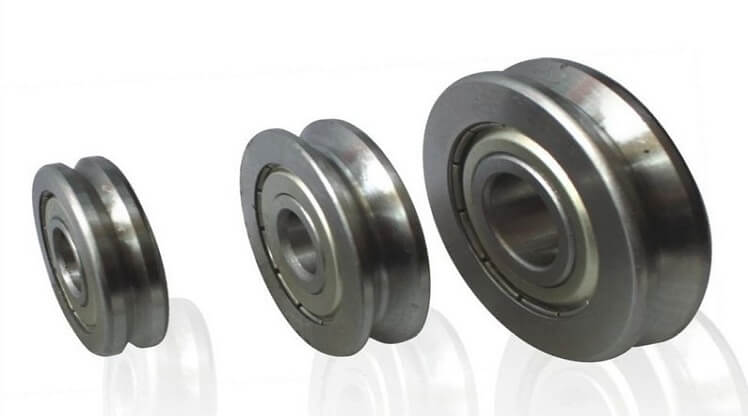
Specification
| Brand | CSZBTR |
| Model No. | NUTR 15 |
| Material | chrome steel |
Other Model
| Outside Diameter | Bearing Designation and mass approx | Boundary Dimensions | Basic Load Rating | Limiting Speed | ||||||||
| With IR |
Mass |
d | D | B | C | d1 | Cr Dynamic | Cor Static | York Type Track | Grease | ||
| Cw | Cow | |||||||||||
| mm | g | mm | N | rpm | ||||||||
| 35 | NUTR 15 | 99 | 15 | 35 | 19 | 18 | 20 | 20500 | 24500 | 13900 | 15300 | 6500 |
| 40 | NUTR 17 | 147 | 17 | 40 | 21 | 20 | 22 | 21800 | 28500 | 16500 | 20500 | 5500 |
| 42 | NUTR 15 42 | 158 | 15 | 42 | 19 | 18 | 20 | 20500 | 24500 | 16800 | 21800 | 6500 |
| 47 | NUTR 17 47 | 220 | 17 | 47 | 21 | 20 | 22 | 21800 | 28500 | 19000 | 25000 | 5500 |
| NUTR 20 | 245 | 20 | 47 | 25 | 24 | 27 | 36900 | 48900 | 26000 | 33500 | 4200 | |
| 52 | NUTR 20 52 | 321 | 20 | 52 | 25 | 24 | 27 | 36900 | 48900 | 29800 | 39800 | 4200 |
| NUTR 25 | 281 | 25 | 52 | 25 | 24 | 31 | 40800 | 58500 | 27500 | 35000 | 3400 | |
| 62 | NUTR 25 62 | 450 | 25 | 62 | 25 | 24 | 31 | 40800 | 58500 | 32500 | 47800 | 3400 |
| NUTR 30 | 465 | 30 | 62 | 29 | 28 | 38 | 56800 | 77500 | 39500 | 49500 | 2600 | |
| 72 | NUTR 30 72 | 697 | 30 | 72 | 29 | 28 | 38 | 56800 | 77500 | 46000 | 62800 | 2600 |
| NUTR 35 | 630 | 35 | 72 | 29 | 28 | 44 | 63000 | 91000 | 42500 | 59000 | 2100 | |
| 80 | NUTR 35 80 | 836 | 35 | 80 | 29 | 28 | 44 | 63000 | 91000 | 49500 | 70500 | 2100 |
| NUTR 40 | 816 | 40 | 80 | 32 | 30 | 51 | 87900 | 108000 | 54000 | 73600 | 1600 | |
| 85 | NUTR 45 | 883 | 45 | 85 | 32 | 30 | 55 | 93600 | 119000 | 54000 | 77500 | 1400 |
| 90 | NUTR 40 90 | 1129 | 40 | 90 | 32 | 30 | 51 | 87900 | 108000 | 63800 | 93600 | 1600 |
| NUTR 50 | 950 | 50 | 90 | 32 | 30 | 60 | 98900 | 140000 | 55900 | 79000 | 1300 | |
| 100 | NUTR 45 100 | 1396 | 45 | 100 | 32 | 30 | 55 | 93600 | 119000 | 70500 | 106000 | 1400 |
| 110 | NUTR 50 110 | 1690 | 50 | 110 | 32 | 30 | 60 | 98900 | 140000 | 73600 | 118000 | 1300 |
Applcation
Company Profile
HangZhou Terry Machinery Co.Ltd is a leading supplier of bearings, linear motion system for CNC, ball transfer unit and transmission component. The growing industrial and favorable policy of HangZhou benefit the development of Terry Machinery.Our products are utilized in industrial, motorcycle, vehicle and Automation applications. Now we are exporting to 46 countries includingUSA, GBR, Germany, Spain,Poland, Turkey ect. The goal of Terry Machinery to provide out customers with widest range of productsatcompetitive prices, backed with the best Service.
Packing &Delivery
Customer Praise
FAQ
| Rolling Body: | Roller Bearings |
|---|---|
| The Number of Rows: | Single |
| Outer Dimension: | Micro(≤26mm) |
| Material: | Bearing Steel |
| Spherical: | Non-Aligning Bearings |
| Load Direction: | Radial Bearing |
| Samples: |
US$ 4.64/Piece
1 Piece(Min.Order) | |
|---|
Can you explain the maintenance and lubrication requirements for track bearings?
Maintenance and lubrication are essential aspects of ensuring the optimal performance and longevity of track bearings. Proper maintenance practices and appropriate lubrication help minimize wear, reduce friction, prevent corrosion, and extend the service life of the bearings. Here’s an explanation of the maintenance and lubrication requirements for track bearings:
Maintenance Requirements:
- Cleanliness: It is crucial to maintain a clean operating environment for track bearings. Regularly remove dirt, dust, and debris from the track and bearing surfaces to prevent contamination, which can lead to premature wear and damage.
- Inspection: Periodically inspect the track bearings for signs of wear, damage, or misalignment. Check for excessive play, noise, or roughness during operation. If any issues are detected, take appropriate measures such as bearing replacement or realignment to ensure optimal performance.
- Tightening and Fasteners: Check the tightness of fasteners, such as bolts or screws, that secure the track bearings. Loose fasteners can lead to misalignment or instability. Ensure that all fasteners are properly tightened according to the manufacturer’s specifications.
- Track Alignment: Proper track alignment is crucial for smooth and efficient operation of track bearings. Regularly check the alignment of the track or guide rails and make necessary adjustments to maintain proper alignment, minimizing excessive loads and wear on the bearings.
- Load Limits: Adhere to the specified load limits for the track bearings. Exceeding the recommended load capacity can cause premature wear and failure. Consider the dynamic and static load ratings of the bearings to ensure they are not subjected to excessive loads that can compromise their performance.
Lubrication Requirements:
- Proper Lubricant Selection: Select the appropriate lubricant based on the operating conditions, such as temperature, load, and speed. Consult the manufacturer’s recommendations or seek expert advice to ensure the lubricant’s compatibility with the track bearings and the specific application.
- Regular Lubrication: Follow a regular lubrication schedule as recommended by the manufacturer. This may involve applying lubricant at specified intervals or based on the operating hours. Adequate lubrication helps minimize friction, reduce wear, and maintain proper functioning of the track bearings.
- Correct Lubrication Method: Apply the lubricant using the appropriate method, whether it’s manual greasing, automatic lubrication systems, or specialized lubrication techniques. Ensure that the lubricant reaches all necessary contact points and provides sufficient coverage to the bearing surfaces.
- Monitoring and Replenishment: Monitor the lubricant levels regularly and replenish as needed. In some cases, track bearings may have built-in lubrication systems that require periodic refilling or maintenance. Keep track of the lubricant condition and replace it when it becomes contaminated or degraded.
- Environmental Considerations: Consider the operating environment when selecting the lubricant. Extreme temperatures, exposure to moisture, or the presence of chemicals or contaminants may require special lubricants that can withstand these conditions and provide effective protection and lubrication.
It is important to consult the manufacturer’s guidelines and recommendations specific to the track bearings being used. Following the recommended maintenance and lubrication practices ensures optimal performance, reduces the risk of premature failure, and maximizes the overall lifespan of the track bearings.
Can track bearings withstand harsh environments or exposure to contaminants?
Track bearings are designed to operate in a wide range of environments, including harsh conditions and exposure to contaminants. However, the ability of track bearings to withstand such environments depends on their specific design, materials, and protective measures. Here’s a detailed explanation:
Many track bearings are engineered with features that enhance their resistance to harsh environments and contaminants. These features may include:
- Sealing and Shielding: Some track bearings are equipped with seals or shields that provide a physical barrier against contaminants such as dirt, dust, water, and debris. These seals or shields help prevent the entry of contaminants into the bearing’s internal components, reducing the risk of damage and premature wear.
- Corrosion Resistance: Track bearings intended for use in corrosive environments are often constructed from materials that offer high corrosion resistance. Stainless steel, for example, is commonly used due to its ability to withstand exposure to moisture, chemicals, and other corrosive substances.
- Specialized Coatings: Some track bearings may feature specialized coatings or surface treatments that provide additional protection against contaminants and harsh conditions. These coatings can enhance the bearing’s resistance to corrosion, abrasion, and chemical exposure.
- High-Temperature Capability: Certain track bearings are designed to withstand high-temperature environments. They are typically constructed using heat-resistant materials and lubricants that can maintain their structural integrity and performance even under extreme heat.
- Environmental Sealing: In applications where track bearings are exposed to extreme conditions, such as underwater or in highly dusty environments, special environmental sealing measures may be employed. These measures can include the use of advanced sealing technologies or the encapsulation of the bearings within protective housings.
While track bearings are designed to withstand harsh environments and exposure to contaminants, it is important to note that their performance and longevity can still be affected over time. Regular maintenance, including cleaning, inspection, and lubrication, is crucial to ensure proper functioning and to mitigate the impact of contaminants on the bearings.
It is recommended to consult the manufacturer’s specifications and guidelines for the track bearings being used in a specific application. Manufacturers often provide information on the environmental ratings and limits of their bearings, helping users determine the suitability of the bearings for particular harsh environments or exposure to contaminants.
By selecting track bearings with appropriate features, materials, and protection, and by implementing proper maintenance practices, it is possible to enhance the bearings’ ability to withstand harsh environments and exposure to contaminants, thereby maximizing their performance and longevity.
What are track bearings, and how are they used in various applications?
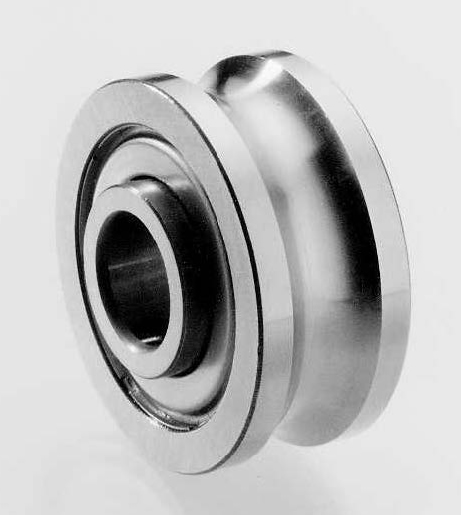
Track bearings, also known as track rollers or track follower bearings, are specialized rolling bearings designed to operate in track-based systems. They are used in various applications that require guided linear or rotational motion. Let’s explore in detail the characteristics of track bearings and their common applications:
- Design and Construction: Track bearings typically consist of an outer ring, an inner ring, a set of rolling elements (such as rollers or needles), and a cage that holds the rolling elements together. The outer ring features a track or guide surface, while the inner ring is mounted on a shaft or stud. The rolling elements facilitate smooth rolling motion along the track, allowing for linear or rotational movement.
- Guided Motion: Track bearings are primarily used to provide guided motion in applications where components need to move along a defined path or track. The outer ring’s track surface interfaces with the track or guide rail, ensuring precise and controlled motion. This guided motion is crucial in various applications such as material handling systems, conveyors, cam mechanisms, and automated machinery.
- Load Support: Track bearings are designed to support and distribute loads, both radial and axial, in track-based systems. They can handle substantial loads while maintaining smooth motion and minimizing friction. The load-carrying capacity of track bearings makes them suitable for applications involving heavy loads, such as construction equipment, agricultural machinery, and industrial automation systems.
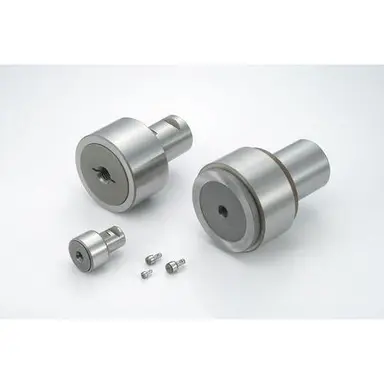
- Multiple Types: Track bearings come in various types to suit different application requirements. Some common types include yoke type track rollers, stud type track rollers, and cam followers. Yoke type track rollers have thick outer rings and can withstand high radial loads. Stud type track rollers have a stud instead of an inner ring and are suitable for applications with limited space. Cam followers have a stud with a built-in roller and are commonly used in cam-driven systems.
- Sealing and Contamination Protection: In many applications, track bearings are exposed to harsh environments and contaminants. To ensure reliable operation, track bearings often incorporate sealing arrangements or protective coatings. These features help prevent the ingress of dust, dirt, moisture, or other contaminants, prolonging the bearing’s service life and reducing the risk of premature failure.
- Various Applications: Track bearings find applications in a wide range of industries and systems. Some common applications include:
- Material Handling Systems: Track bearings are used in conveyors, roller tracks, and overhead cranes to facilitate smooth and guided movement of materials.
- Automated Machinery: Track bearings are employed in automated machines and robotic systems for precise motion control and positioning.
- Cam Mechanisms: Track bearings are utilized in cam-driven systems, where they follow the profile of the cam and translate the rotary motion into linear or oscillating motion.
- Construction Equipment: Track bearings are found in construction machinery, such as excavators, bulldozers, and compactors, to support the tracks or guide wheels.
- Agricultural Machinery: Track bearings are used in agricultural equipment, including tractors, combines, and harvesters, to support the tracks or guide wheels and provide reliable movement.
- Printing and Packaging Machinery: Track bearings are employed in printing presses, packaging machines, and labeling systems to ensure precise and guided movement of the printing heads, packaging materials, or labels.
In summary, track bearings are specialized rolling bearings designed for guided linear or rotational motion along a track or guide rail. They provide precise motion control, support substantial loads, and find applications in various industries such as material handling, automation, construction, agriculture, printing, and packaging. With their ability to facilitate guided motion and handle significant loads, track bearings contribute to the smooth and reliable operation of track-based systems in a wide range of applications.


editor by CX 2023-11-17