Product Description
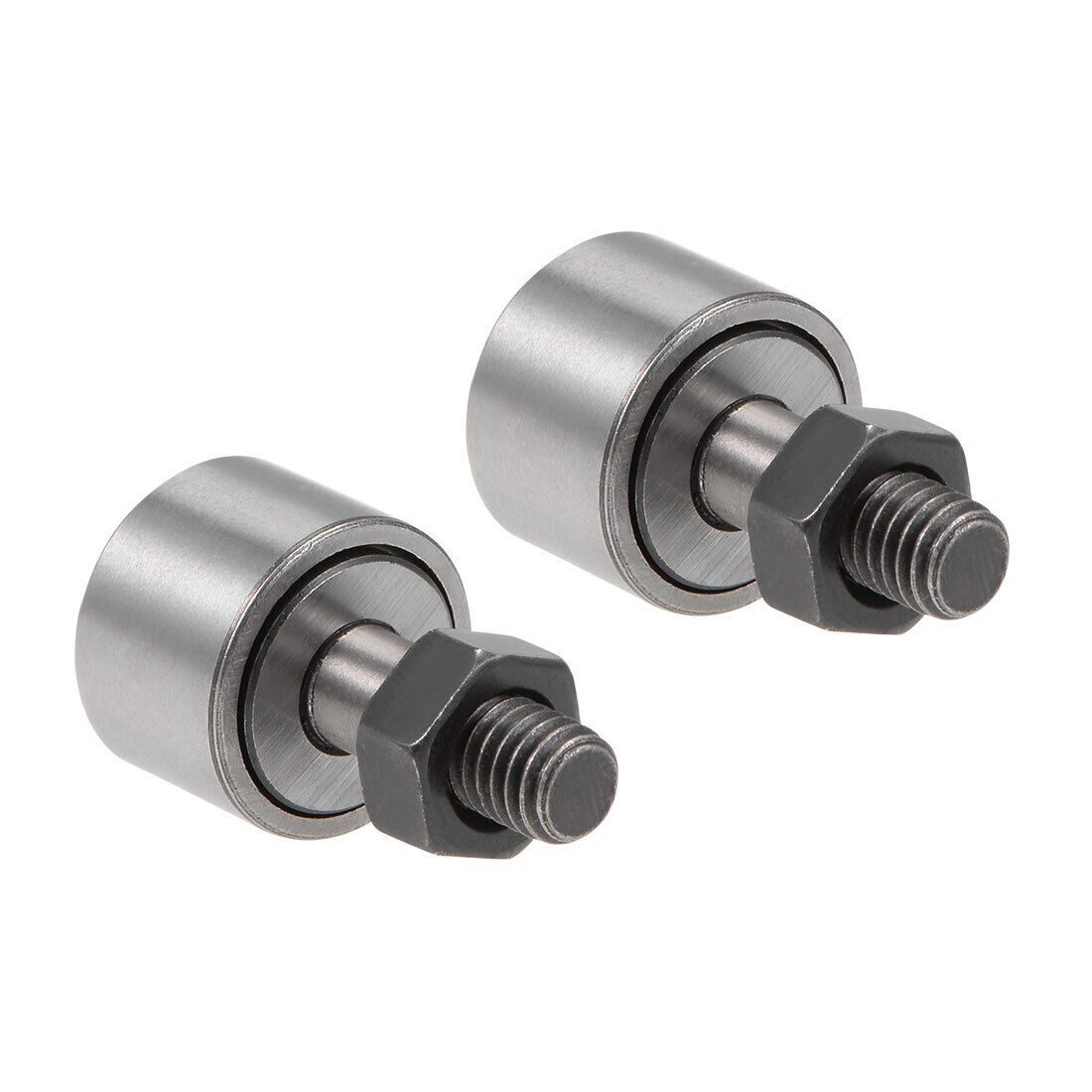
IKO bearing track roller bearing CF3 CF3UU
Quick Details
| Type: | Needle | Brand Name: | IKO | Bore Size: | 3 – 560 mm |
| Outside Diameter: | 5 – 620 mm | Precision Rating: | P0 P6 P5 P4 P2 | ||
| Seals Type: | Open 2Z 2RS | Number of Row: | Single Row | ||
| Price: | competitive | Sample: | free of charge | Port: | HangZhou,ZheJiang ,ZheJiang |
| Payment: | Paypla,Western Union, Money Gram | Material: | chrome steel,carbon steel,stainless still | Package: | original package |
| Service: | available |
Specifications
1. High accuracy
2. Low noise
3. Low weight
4. Can be customized according to your requirements
Needle roller bearing features:
Needle roller bearing with pressed outer ring is made of high-quality thin sheet by fine stamping process. It has such characteristics as small structure space and large load capacity, and is suitably used for the place where the installing space is limited and case hole cannot be used as the rolling race. Further axial orientation is not necessary after pressing into the bearing seat hole. B series are inch-size drawn cup full complement needle roller bearings with open end.
Widely used in automobiles, motorcycles, power tools, textile machines, farm machines, printers, etc.
Needle roller bearing model series: NK, NKS, RNA49, RNA69, RNA49-RS, RNA49-2RS
Packaging & Delivery
Packaging Detail: Product Packing: Polybag+Box/Polybox or Wooden Box Outer Packing: Carton/Wooden Box + Pallet
Delivery Detail: 5-15days
Our company are specialized in manufacturing various types of bearings and we also accept OEM service with NSK KOYO NTN etc brand.
We can produce the bearings accordingly to the customers’ samples or drawings.
Our products are in good quality and reasonable prices
| Unit No. | Shaft Dia. | Dimensions (mm) | Basic Load Rating | Weight | ||||
| mm | Fw | D | C | rs/min | C kN | Co kN | g | |
| RNA6900 | 14 | 14 | 22 | 22 | 0.3 | 16 | 20 | 29.1 |
| RNA6901 | 16 | 16 | 24 | 22 | 0.3 | 16 | 21.6 | 31 |
| RNA6902 | 20 | 20 | 28 | 23 | 0.3 | 17.3 | 25.5 | 39.7 |
| RNA6903 | 22 | 22 | 30 | 23 | 0.3 | 18.6 | 29 | 42.4 |
| RNA6904 | 25 | 25 | 37 | 30 | 0.3 | 36 | 51 | 100 |
| RNA69/22 | 28 | 28 | 39 | 30 | 0.3 | 37.5 | 55 | 98 |
| RNA6905 | 30 | 30 | 42 | 30 | 0.3 | 39 | 59 | 112 |
| RNA69/28 | 32 | 32 | 45 | 30 | 0.3 | 40.5 | 63 | 135 |
| RNA6906 | 35 | 35 | 47 | 30 | 0.3 | 43.5 | 71 | 126 |
| RNA69/32 | 40 | 40 | 52 | 36 | 0.6 | 47 | 82 | 162 |
| RNA6907 | 42 | 42 | 55 | 36 | 0.6 | 48 | 86 | 193 |
| RNA6908 | 48 | 48 | 62 | 40 | 0.6 | 66 | 116 | 256 |
| RNA6909 | 52 | 52 | 68 | 40 | 0.6 | 69 | 127 | 338 |
| RNA6910 | 58 | 58 | 72 | 40 | 0.6 | 73 | 139 | 310 |
| RNA6911 | 60 | 63 | 80 | 45 | 1 | 90 | 176 | 470 |
| RNA6912 | 68 | 68 | 85 | 45 | 1 | 94 | 191 | 488 |
| RNA6913 | 72 | 72 | 90 | 45 | 1 | 95 | 198 | 580 |
| RNA6914 | 80 | 80 | 100 | 54 | 1 | 128 | 265 | 857 |
| RNA6915 | 85 | 85 | 105 | 54 | 1 | 130 | 275 | 935 |
| RNA6916 | 90 | 90 | 110 | 54 | 1 | 135 | 300 | 987 |
| RNA6917 | 100 | 100 | 120 | 63 | 1.1 | 166 | 400 | 1200 |
| RNA6918 | 105 | 105 | 125 | 63 | 1.1 | 172 | 425 | 1330 |
| RNA6919 | 110 | 110 | 130 | 63 | 1.1 | 174 | 440 | 1460 |
| RNA6920 | 115 | 115 | 140 | 71 | 1.1 | 176 | 465 | |
|
|
|||||||||||||
| NA4900 | RNA4900 | NA6900 | RNA6900 | NK5/10 | NKI6/12 | NK16/20 | NKI20/20 | NA4900-2rs | RNA4900-2rs | NKS14 | NKIS8 | STO6 | NA22/8 2RS |
| NA4901 | RNA4901 | NA6901 | RNA6901 | NK5/12 | NKI6/16 | NK17/16 | NKI22/16 | NA4901-2rs | RNA4901-2rs | NKS16 | NKIS12 | STO8 | NA2200 2RS |
| NA4902 | RNA4902 | NA6902 | RNA6902 | NK6/10 | NKI7/12 | NK17/20 | NKI22/20 | NA4902-2rs | RNA4902-2rs | NKS20 | NKIS15 | STO10 | NA2201 2RS |
| NA4903 | RNA4903 | NA6903 | RNA6903 | NK6/12 | NKI7/16 | NK17/30 | NKI25/20 | NA4903-2rs | RNA4903-2rs | NKS22 | NKIS17 | STO12 | NA2202 2RS |
| NA4904 | RNA4904 | NA6904 | RNA6904 | NK8/12 | NKI09/12 | NK18/20 | NKI25/30 | NA4904-2rs | RNA4904-2rs | NKS25 | NKIS20 | STO15 | NA2203 2RS |
| NA4905 | RNA4905 | NA6905 | RNA6905 | NK8/16 | NKI09/16 | NK20/16 | NKI28/20 | NA4905-2rs | RNA4905-rs | NKS28 | NKIS25 | STO17 | NA2204 2RS |
| NA4906 | RNA4906 | NA6906 | RNA6906 | NK9/12 | NKI10/16 | NK20/20 | NKI28/30 | NA4906-2rs | RNA4906-2rs | NKS32 | NKIS30 | STO20 | NA2205 2RS |
| NA4907 | RNA4907 | NA6907 | RNA6907 | NK9/16 | NKI10/20 | NK25/16 | NKI30/20 | NA4907-2rs | RNA4907-2rs | NKS35 | NKIS35 | STO25 | NA2206 2RS |
| NA4908 | RNA4908 | NA6908 | RNA6908 | NK7/12 | NKI12/16 | NK25/20 | NKI30/30 | NA4908-2RS | RNA4908-2RS | NKS37 | NKIS40 | STO30 | NA2207 2RS |
| NA4909 | RNA4909 | NA6909 | RNA6909 | NK10/12 | NKI12/20 | NK26/16 | NKI32/20 | NA4909-2RS | RNA4909-2RS | NKS40 | STO35 | NA2208 2RS | |
| NA4910 | RNA4910 | NA6910 | RNA6910 | NK12/12 | NKI15/16 | NK26/20 | NKI32/30 | NA4910-2RS | RNA4910-2RS | NKS43 | STO40 | NA2209 2RS | |
| NA4911 | RNA4911 | NA6911 | RNA6911 | NK12/16 | NKI15/20 | NK30/20 | NKI35/20 | NKS45 | STO45 | NA2210 2RS | |||
| NA4912 | RNA4912 | NA6912 | RNA6912 | NK14/16 | NKI16/16 | NK30/30 | NKI35/30 | NKS50 | STO50 | STO30ZZ(NAST..ZZ) | |||
| NA4913 | RNA4913 | NA6913 | RNA6913 | NK14/20 | NKI17/16 | NK32/20 | NKI38/20 | STO6ZZ | STO35ZZ(NAST..ZZ) | ||||
| NA4914 | RNA4914 | NA6914 | RNA6914 | NK15/12 | NKI17/20 | NK32/30 | NKI38/30 | STO8ZZ | STO40ZZ(NAST..ZZ) | ||||
| NA4915 | RNA4915 | NA6915 | RNA6915 | NK16/16 | NKI20/16 | NK35/20 | NKI40/20 | STO10ZZ(NAST..ZZ) | STO45ZZ(NAST..ZZ) | ||||
| NA4916 | RNA4916 | NA6916 | RNA6916 | NK35/30 | NKI40/30 | STO12ZZ(NAST..ZZ) | STO50ZZ(NAST..ZZ) | ||||||
| NA4917 | RNA4917 | NA6917 | RNA6917 | NK40/20 | NKI42/20 | STO15ZZ(NAST..ZZ) | |||||||
| NA4918 | RNA4918 | NA6918 | RNA6918 | NK40/30 | NKI42/30 | STO17ZZ(NAST..ZZ) | |||||||
| NA4919 | RNA4919 | NA6919 | RNA6919 | NK42/20 | NKI45/25 | STO20ZZ(NAST..ZZ) | |||||||
| NA4920 | RNA4920 | NA6920 | RNA6920 | NK42/30 | NKI45/35 | ST571ZZ(NAST..ZZ) | |||||||
| NA4922 | RNA4922 | NK43/30 | NKI50/25 |
/* January 22, 2571 19:08:37 */!function(){function s(e,r){var a,o={};try{e&&e.split(“,”).forEach(function(e,t){e&&(a=e.match(/(.*?):(.*)$/))&&1
| Cage: | With Cage |
|---|---|
| Rows Number: | Single |
| Load Direction: | Radial Bearing |
| Style: | With Inner Ring |
| Material: | Bearing Steel |
| Type: | Open |
| Samples: |
US$ 1/Set
1 Set(Min.Order) | |
|---|
| Customization: |
Available
| Customized Request |
|---|
What are the considerations for selecting the right track bearings for a particular application?
Selecting the right track bearings for a particular application requires careful consideration of various factors to ensure optimal performance, reliability, and longevity. Here are the key considerations to keep in mind:
- Load Requirements: Assess the expected load conditions in the application. Consider both the static and dynamic loads that the track bearings will need to support. Determine the maximum load capacity required to ensure that the selected bearings can handle the anticipated loads without premature failure or excessive wear.
- Speed and Acceleration: Evaluate the speed and acceleration requirements of the application. Higher speeds and rapid accelerations can impose additional stresses on the track bearings. Choose bearings with suitable speed and acceleration ratings to ensure they can operate effectively within the desired range without compromising performance or causing premature wear.
- Environmental Factors: Consider the operating environment of the application. Evaluate factors such as temperature extremes, moisture, dust, chemicals, and potential exposure to corrosive substances. Select track bearings that are designed to withstand the specific environmental conditions to ensure optimal performance and longevity.
- Track and Rail Compatibility: Assess the compatibility of the track bearings with the existing track or rail system. Consider factors such as track geometry, dimensional requirements, and mounting options. Ensure that the selected bearings are suitable for the specific track or rail design to facilitate proper installation, alignment, and smooth operation.
- Maintenance and Lubrication: Evaluate the maintenance and lubrication requirements of the track bearings. Consider factors such as the need for regular maintenance, lubrication intervals, and the availability of suitable lubricants. Choose bearings that align with the desired maintenance practices and provide appropriate lubrication options based on the application’s operational demands.
- Expected Lifespan and Reliability: Determine the desired lifespan and reliability expectations for the track bearings. Consider factors such as the projected operating hours, duty cycles, and the criticality of the application. Select bearings from reputable manufacturers known for producing high-quality, reliable products that align with the expected lifespan and reliability requirements.
- Cost Considerations: Evaluate the cost-effectiveness of the track bearings. Consider the initial purchase cost as well as the long-term costs associated with maintenance, replacement, and potential downtime. Strive for a balance between the upfront investment and the overall value provided by the bearings in terms of performance, reliability, and longevity.
It is essential to consult with bearing manufacturers or industry experts who can provide guidance and recommendations based on the specific application requirements. By considering these factors and seeking expert advice, you can select the right track bearings that best meet the needs of your particular application.
How do track bearings contribute to the precision, accuracy, and reliability of motion control systems?
Track bearings play a crucial role in enhancing the precision, accuracy, and reliability of motion control systems. They provide several key contributions that ensure smooth and consistent linear motion. Here’s a detailed explanation:
- Precision Guidance: Track bearings offer precise guidance for linear motion systems. They are designed with close tolerances and accurate geometries, allowing for accurate positioning and control of the moving components. This precision guidance ensures that the desired motion is achieved with minimal deviation or error.
- Smooth and Consistent Motion: By minimizing friction and providing smooth rolling or sliding surfaces, track bearings enable smooth and consistent motion in motion control systems. They reduce the effects of irregularities, misalignments, or vibrations, resulting in smoother operation and improved accuracy.
- Repeatable Performance: Track bearings provide repeatable performance in motion control systems. They offer consistent and predictable motion characteristics, allowing for precise and repeatable positioning of the moving components. This repeatability is essential in applications that require high accuracy and consistency, such as CNC machining, semiconductor manufacturing, and precision measurement systems.
- Load Distribution: Track bearings distribute the load evenly along their length, helping to minimize stress concentrations on specific components. This even load distribution improves the overall stability and reliability of the motion control system. It reduces the risk of component failure, deformation, or excessive wear, contributing to enhanced system reliability.
- Minimized Play and Backlash: Track bearings are designed to minimize play and backlash, which are undesirable movements or clearances between components. Play and backlash can introduce inaccuracies and reduce the precision of motion control systems. Track bearings with tight tolerances and optimized designs help minimize these undesirable effects, ensuring precise and accurate motion.
- Stiffness and Rigidity: Track bearings provide stiffness and rigidity to the motion control system. They resist deflection and maintain their shape under load, minimizing any unwanted flexing or bending. This stiffness enhances the overall stability and precision of the system, allowing for precise control and accurate motion even under varying loads or external forces.
- Resistance to Contamination: Track bearings are often equipped with seals or shields to protect against contaminants such as dirt, dust, or liquids. This protection helps maintain the precision and reliability of the motion control system by preventing the ingress of particles that could interfere with the smooth operation of the bearings or cause premature wear and failure.
By incorporating track bearings into motion control systems, industries can benefit from improved precision, accuracy, and reliability. Whether it’s achieving precise positioning, ensuring consistent and repeatable motion, minimizing play and backlash, or providing reliable load distribution, track bearings contribute to the overall performance and integrity of motion control systems.
Can you explain the different types of track bearings used in industrial and mechanical systems?
Track bearings, also known as track rollers or track follower bearings, come in various types to suit different industrial and mechanical system requirements. Let’s explore the different types of track bearings commonly used in these applications:
- Yoke Type Track Rollers: Yoke type track rollers are a popular type of track bearing characterized by their thick outer rings. They are designed to handle high radial loads and moderate axial loads. Yoke type track rollers feature an inner ring with a stud for mounting on a shaft or stud. They are widely used in applications such as conveyors, cam mechanisms, material handling systems, and agricultural machinery.
- Stud Type Track Rollers: Stud type track rollers are similar to yoke type track rollers but lack an inner ring. Instead, they have a stud that serves as the mounting component. Stud type track rollers are suitable for applications with limited space or where the outer ring can be directly mounted onto a mating surface. They are commonly used in applications such as cam mechanisms, indexing equipment, and tensioning systems.
- Cam Followers: Cam followers, also known as cam bearings or track followers, are track bearings designed specifically for cam-driven systems. They have a stud or shaft for mounting and a built-in roller or needle bearing. Cam followers follow the profile of a cam, converting the rotary motion of the cam into linear or oscillating motion. They are used in applications such as printing presses, packaging machinery, textile machinery, and automotive engines.
- Guiding Track Rollers: Guiding track rollers are track bearings designed to provide precise and guided linear motion. They feature a thick outer ring with a track or guide surface. Guiding track rollers are commonly used in material handling systems, conveyor systems, and automated machinery to facilitate smooth and controlled movement along a track or guide rail.
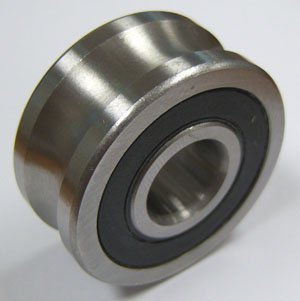
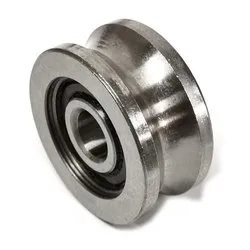
- V-Groove Track Rollers: V-groove track rollers have a specialized V-shaped groove on the outer ring. This groove allows the rollers to run on V-shaped tracks or rails, providing accurate alignment and guidance. V-groove track rollers are used in applications such as track systems, sliding gates, and linear motion guides.
- Flanged Track Rollers: Flanged track rollers feature an additional flange on the outer ring. The flange helps in axial guidance and prevents the track roller from shifting or tilting under axial loads. Flanged track rollers are commonly used in applications such as cam mechanisms, linear motion systems, and conveyor systems.
- Idler Track Rollers: Idler track rollers are non-powered track rollers used to support and guide conveyor belts, chains, or other moving components. They are typically used in material handling systems, conveyor systems, and packaging machinery.
These different types of track bearings offer versatility and flexibility in industrial and mechanical systems. Depending on the specific application requirements, engineers and designers can select the most suitable type of track bearing to ensure smooth motion, reliable operation, and efficient load support. The choice of track bearing type depends on factors such as load capacity, space constraints, track configuration, and environmental conditions.


editor by CX 2024-04-26