Product Description
Product Description
Xihu (West Lake) Dis. roller SG15, SGB5 bearing computer embroidery machine supporting bearing.
| SG15 (SGB5) CZPT roller is similar to LFR series of roller performance, unique “sunk head” design.
SG15 (SGB5) CZPT roller is mainly used in flat, particularly compact CZPT to installation space, and form a complete set of CZPT roller fixed bearing loading CZPT roller not highlight or rarely highlights to bearing plane. After SG15 SGB5 roller made of high quality bearing steel, after heat treatment, precision grinding, internal fill the long life of high quality oil. JPG can also provide all kinds of rollers of R angular outer ring, internal thread, concentric shaft, eccentric shaft and corrosion-resistant stainless steel. The CZPT roller models provided by the JPG SG series are as follows: SG10 (SGB4), SG15(SGB6), sg15-10, sg15-1, s20 (SGB8), sg-1, SG25(SGB10), sg25-1, SG35(SGB15). |
| Bearing No. | Dimensions (mm) | Load Ratings(kn) | Weight | ||||||||
| dw | d | D | C | B | L | d2 | H | Dyn | Static | ≈(kg) | |
| SG15 | 6 | 5 | 17 | 8 | 5.75 | 20.46 | 8.6 | 1 | 1.27 | 0.82 | 0.008 |
| SG15-10 | 10 | 5 | 17 | 8 | 5.75 | 25.5 | 8.6 | 1 | 1.27 | 0.82 | 0.009 |
| SG20 | 8 | 6 | 24 | 11 | 7.25 | 28.62 | 11.1 | 1.2 | 3.4 | 1.7 | 0.571 |
| SG25 | 10 | 8 | 30 | 14 | 8.5 | 35.77 | 13 | 1.5 | 3.67 | 2.28 | 0.049 |
| SG35 | 12 | 12 | 42 | 19 | 12.5 | 48.93 | 18 | 1.5 | 8.5 | 5.1 | 0.136 |
| SG15N | 6 | 5 | 17 | 8 | 5.75 | 20.46 | 8.6 | 0.5 | 1.27 | 0.82 | 0.008 |
| SG20N | 8 | 6 | 24 | 11 | 7.25 | 28.62 | 11.1 | 0.7 | 3.4 | 1.7 | 0.571 |
| SG25N | 10 | 8 | 30 | 14 | 8.5 | 35.77 | 13 | 1 | 3.67 | 2.28 | 0.049 |
| SG35N | 12 | 12 | 42 | 19 | 12.5 | 48.93 | 18 | 1 | 8.5 | 5.1 | 0.136 |
Detailed Photos
use
The precision of the bearing is more careful than the general mechanical parts to install and debug.
1) keep the bearings and their surrounding environment clean, and try to install them in closed or semi-closed conditions;
2) use suitable tools and methods (heating) to install the bearing to avoid the brutal percussion, which will cause a strong impact on the bearing and destroy the internal channel;
3) keep the bearings well lubricated and use proper lubricant;
4) pay attention to bearing rust protection, avoid using in damp places, and wear gloves when installing and disassembling;
5) to formulate daily operation specifications for bearing;
6) in case of high temperature, high speed and other special conditions, please communicate with our company in advance, and we will make appropriate adjustments to the products to meet the requirements.
safekeeping
The bearings are coated with anti-rust oil and anti-rust paper in the factory. As long as the packaging is not damaged, the quality of the bearing will be guaranteed.
But long stored in humidity below 65%, the temperature is 20 ºC about conditions, the shelf in 30 cm above the ground is advisable.
In addition, the storage area should avoid direct sunlight or contact with the cold wall.
Packaging:
1.Neutral Package:Plastic Bag + Carton + Pallet;
2.Commercial Package:Plastic Bag + Box + Carton + Pallet;
3.As the clients’ requirement.
Delivery:
1.Less than 1000 pcs , we will send by express.( Door to Door, Convenient ),
Or by air transport.( Fastest and safest, but expensive )
2.More than 1000pcs , we will send by sea.( Cheapest, safe )
Payment:
1.Less than 1000 pcs , 100% T/T, Western Union in advance.
2.Between 1000-10000pcs, TT, Western Union, MoneyGram.
3.More than 10000pcs , TT, L/C ,Western Union, MoneyGram.
/* March 10, 2571 17:59:20 */!function(){function s(e,r){var a,o={};try{e&&e.split(“,”).forEach(function(e,t){e&&(a=e.match(/(.*?):(.*)$/))&&1
| Material: | Chrome Steel |
|---|---|
| Size: | 5*17*8mm |
| Stock: | Rich |
| Samples: |
US$ 1/Piece
1 Piece(Min.Order) | Order Sample |
|---|
| Customization: |
Available
| Customized Request |
|---|
.shipping-cost-tm .tm-status-off{background: none;padding:0;color: #1470cc}
|
Shipping Cost:
Estimated freight per unit. |
about shipping cost and estimated delivery time. |
|---|
| Payment Method: |
|
|---|---|
|
Initial Payment Full Payment |
| Currency: | US$ |
|---|
| Return&refunds: | You can apply for a refund up to 30 days after receipt of the products. |
|---|
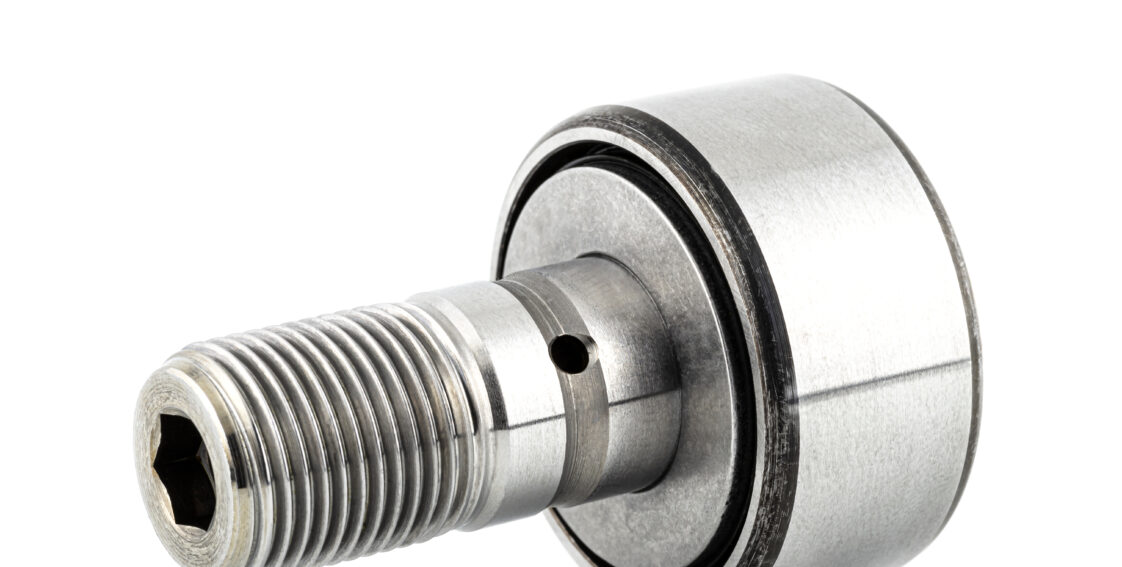
How does proper installation and alignment impact the performance and longevity of track bearings?
Proper installation and alignment play a critical role in the performance and longevity of track bearings. Correct installation ensures that the bearings are positioned and secured accurately, while proper alignment ensures that the load is distributed evenly and the bearings operate smoothly. Here’s an explanation of how proper installation and alignment impact the performance and longevity of track bearings:
Installation Impact:
- Load Distribution: Proper installation ensures that the track bearings are aligned and positioned correctly, allowing for even load distribution. When bearings are installed incorrectly, the load may be unevenly distributed, leading to excessive wear on certain parts of the bearings and reduced overall performance.
- Stability and Rigidity: Accurate installation provides stability and rigidity to the track bearings. Properly secured bearings minimize the risk of movement or vibration during operation, which can cause additional stress, premature wear, and potential damage to the bearings and surrounding components.
- Reduction of Misalignment: Correct installation minimizes the chances of misalignment between the track bearings and the track or guide rails. Misalignment can lead to uneven loading, increased friction, and accelerated wear and tear on the bearings. Proper alignment reduces these issues, ensuring smooth and efficient operation.
- Prevention of Contamination: During installation, it is important to take precautions to prevent contamination of the track bearings. Proper handling techniques, cleanliness, and the use of appropriate tools or protective measures help avoid introducing dirt, dust, or debris that can compromise the bearing’s performance and longevity.
Alignment Impact:
- Reduced Friction and Wear: Proper alignment of track bearings helps minimize friction and wear. When bearings are misaligned, excessive forces and irregular motion can occur, leading to increased friction and accelerated wear. Proper alignment ensures that the bearings operate within their intended design parameters, reducing friction and promoting longevity.
- Optimal Load Distribution: Correct alignment ensures that the load is distributed evenly across the track bearings. This prevents excessive stress on specific areas of the bearings, reducing the risk of premature failure and extending their service life. Optimal load distribution also contributes to smoother operation and improved overall performance.
- Minimized Noise and Vibration: Proper alignment helps minimize noise and vibration during operation. Misaligned track bearings can result in irregular motion, leading to unwanted noise and vibration that can affect the performance, comfort, and efficiency of the machinery or equipment. Proper alignment promotes smoother and quieter operation.
- Improved Efficiency: When track bearings are correctly aligned, the machinery or equipment experiences reduced resistance and improved efficiency. Misalignment can result in energy losses, increased power consumption, and decreased overall efficiency. Proper alignment ensures optimal power transfer and minimizes energy wastage.
It is important to follow the manufacturer’s guidelines and recommendations for the specific track bearings being installed. Proper installation techniques, including accurate positioning, secure fastening, and appropriate alignment, contribute to the optimal performance, reliability, and longevity of track bearings in various applications.
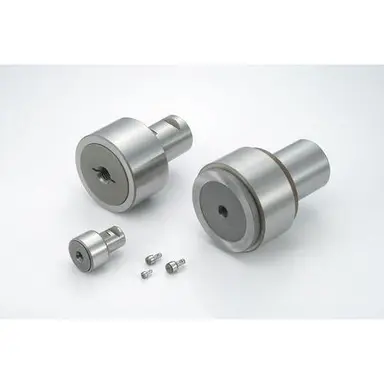
Can track bearings withstand harsh environments or exposure to contaminants?
Track bearings are designed to operate in a wide range of environments, including harsh conditions and exposure to contaminants. However, the ability of track bearings to withstand such environments depends on their specific design, materials, and protective measures. Here’s a detailed explanation:
Many track bearings are engineered with features that enhance their resistance to harsh environments and contaminants. These features may include:
- Sealing and Shielding: Some track bearings are equipped with seals or shields that provide a physical barrier against contaminants such as dirt, dust, water, and debris. These seals or shields help prevent the entry of contaminants into the bearing’s internal components, reducing the risk of damage and premature wear.
- Corrosion Resistance: Track bearings intended for use in corrosive environments are often constructed from materials that offer high corrosion resistance. Stainless steel, for example, is commonly used due to its ability to withstand exposure to moisture, chemicals, and other corrosive substances.
- Specialized Coatings: Some track bearings may feature specialized coatings or surface treatments that provide additional protection against contaminants and harsh conditions. These coatings can enhance the bearing’s resistance to corrosion, abrasion, and chemical exposure.
- High-Temperature Capability: Certain track bearings are designed to withstand high-temperature environments. They are typically constructed using heat-resistant materials and lubricants that can maintain their structural integrity and performance even under extreme heat.
- Environmental Sealing: In applications where track bearings are exposed to extreme conditions, such as underwater or in highly dusty environments, special environmental sealing measures may be employed. These measures can include the use of advanced sealing technologies or the encapsulation of the bearings within protective housings.
While track bearings are designed to withstand harsh environments and exposure to contaminants, it is important to note that their performance and longevity can still be affected over time. Regular maintenance, including cleaning, inspection, and lubrication, is crucial to ensure proper functioning and to mitigate the impact of contaminants on the bearings.
It is recommended to consult the manufacturer’s specifications and guidelines for the track bearings being used in a specific application. Manufacturers often provide information on the environmental ratings and limits of their bearings, helping users determine the suitability of the bearings for particular harsh environments or exposure to contaminants.
By selecting track bearings with appropriate features, materials, and protection, and by implementing proper maintenance practices, it is possible to enhance the bearings’ ability to withstand harsh environments and exposure to contaminants, thereby maximizing their performance and longevity.
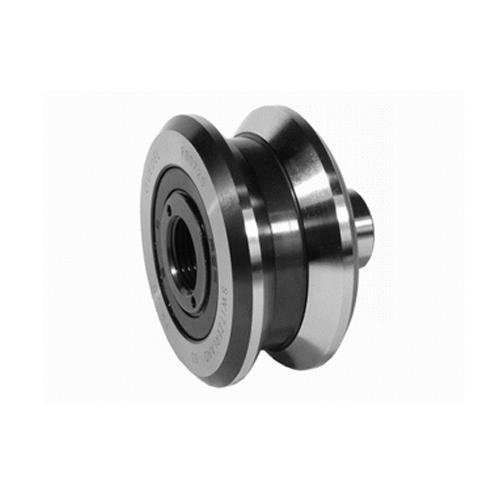
What are the components of a track bearing assembly and their functions?
A track bearing assembly consists of several components that work together to facilitate smooth and controlled motion along a track or guide rail. Let’s explore the components of a typical track bearing assembly and their functions:
- Outer Ring: The outer ring is the outermost component of a track bearing assembly. It provides structural support and houses the rolling elements. The outer ring is designed with a track or guide surface that interfaces with the track or rail, allowing the bearing to move along the desired path.
- Inner Ring: The inner ring is located inside the outer ring and provides a mounting surface for the bearing assembly. It may have a stud or shaft for attaching the bearing to the application. The inner ring helps in aligning and positioning the bearing assembly.
- Rolling Elements: The rolling elements are the components that enable smooth rolling motion between the inner and outer rings. In track bearings, the rolling elements are typically in the form of rollers or needles. They are designed to minimize friction and distribute the load evenly along the track surface.
- Cage: The cage, also known as a retainer, is a component that holds the rolling elements in position and maintains proper spacing between them. The cage prevents the rolling elements from contacting each other, reducing friction and wear. It also helps in guiding the rolling elements during operation.
- Seals or Shields: Track bearings often incorporate seals or shields to protect the internal components from contaminants such as dirt, dust, and moisture. Seals provide a physical barrier between the bearing and the external environment, while shields offer partial protection while allowing some lubrication to reach the rolling elements.
- Lubrication: Proper lubrication is crucial for the smooth operation and longevity of track bearings. Lubrication reduces friction, dissipates heat, and prevents wear between the rolling elements and raceways. Lubricants can be applied through grease fittings or oil ports, ensuring that the rolling elements roll smoothly along the track surface.
- Mounting Hardware: Depending on the specific design and application requirements, track bearing assemblies may include mounting hardware such as studs, bolts, or fasteners. These components are used to securely attach the bearing assembly to the application, ensuring proper alignment and stability.
By combining these components, a track bearing assembly provides reliable and controlled motion along a track or guide rail. The outer and inner rings, along with the rolling elements and cage, enable smooth rolling motion, while seals or shields protect the internal components from contaminants. Proper lubrication and mounting hardware ensure optimal performance and longevity of the track bearing assembly.


editor by CX 2024-02-17