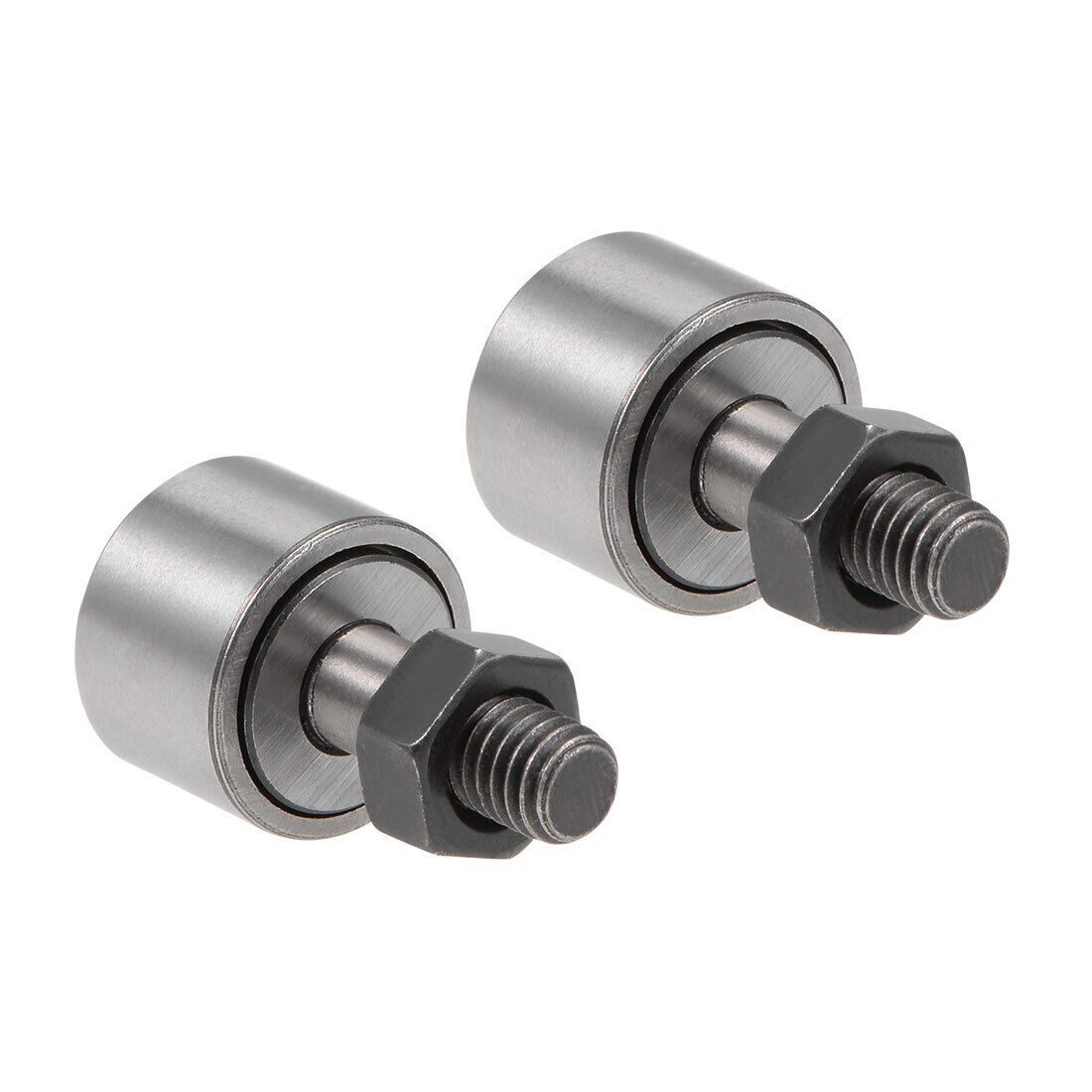
What are the considerations for selecting the right track bearings for a particular application?
Selecting the right track bearings for a particular application requires careful consideration of various factors to ensure optimal performance, reliability, and longevity. Here are the key considerations to keep in mind:
- Load Requirements: Assess the expected load conditions in the application. Consider both the static and dynamic loads that the track bearings will need to support. Determine the maximum load capacity required to ensure that the selected bearings can handle the anticipated loads without premature failure or excessive wear.
- Speed and Acceleration: Evaluate the speed and acceleration requirements of the application. Higher speeds and rapid accelerations can impose additional stresses on the track bearings. Choose bearings with suitable speed and acceleration ratings to ensure they can operate effectively within the desired range without compromising performance or causing premature wear.
- Environmental Factors: Consider the operating environment of the application. Evaluate factors such as temperature extremes, moisture, dust, chemicals, and potential exposure to corrosive substances. Select track bearings that are designed to withstand the specific environmental conditions to ensure optimal performance and longevity.
- Track and Rail Compatibility: Assess the compatibility of the track bearings with the existing track or rail system. Consider factors such as track geometry, dimensional requirements, and mounting options. Ensure that the selected bearings are suitable for the specific track or rail design to facilitate proper installation, alignment, and smooth operation.
- Maintenance and Lubrication: Evaluate the maintenance and lubrication requirements of the track bearings. Consider factors such as the need for regular maintenance, lubrication intervals, and the availability of suitable lubricants. Choose bearings that align with the desired maintenance practices and provide appropriate lubrication options based on the application’s operational demands.
- Expected Lifespan and Reliability: Determine the desired lifespan and reliability expectations for the track bearings. Consider factors such as the projected operating hours, duty cycles, and the criticality of the application. Select bearings from reputable manufacturers known for producing high-quality, reliable products that align with the expected lifespan and reliability requirements.
- Cost Considerations: Evaluate the cost-effectiveness of the track bearings. Consider the initial purchase cost as well as the long-term costs associated with maintenance, replacement, and potential downtime. Strive for a balance between the upfront investment and the overall value provided by the bearings in terms of performance, reliability, and longevity.
It is essential to consult with bearing manufacturers or industry experts who can provide guidance and recommendations based on the specific application requirements. By considering these factors and seeking expert advice, you can select the right track bearings that best meet the needs of your particular application.
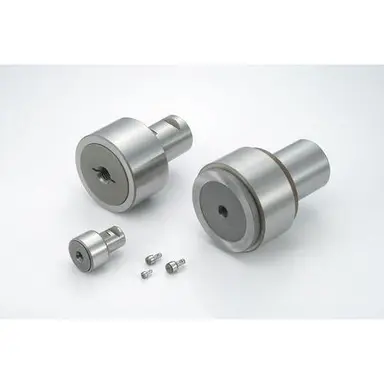
Can track bearings withstand harsh environments or exposure to contaminants?
Track bearings are designed to operate in a wide range of environments, including harsh conditions and exposure to contaminants. However, the ability of track bearings to withstand such environments depends on their specific design, materials, and protective measures. Here’s a detailed explanation:
Many track bearings are engineered with features that enhance their resistance to harsh environments and contaminants. These features may include:
- Sealing and Shielding: Some track bearings are equipped with seals or shields that provide a physical barrier against contaminants such as dirt, dust, water, and debris. These seals or shields help prevent the entry of contaminants into the bearing’s internal components, reducing the risk of damage and premature wear.
- Corrosion Resistance: Track bearings intended for use in corrosive environments are often constructed from materials that offer high corrosion resistance. Stainless steel, for example, is commonly used due to its ability to withstand exposure to moisture, chemicals, and other corrosive substances.
- Specialized Coatings: Some track bearings may feature specialized coatings or surface treatments that provide additional protection against contaminants and harsh conditions. These coatings can enhance the bearing’s resistance to corrosion, abrasion, and chemical exposure.
- High-Temperature Capability: Certain track bearings are designed to withstand high-temperature environments. They are typically constructed using heat-resistant materials and lubricants that can maintain their structural integrity and performance even under extreme heat.
- Environmental Sealing: In applications where track bearings are exposed to extreme conditions, such as underwater or in highly dusty environments, special environmental sealing measures may be employed. These measures can include the use of advanced sealing technologies or the encapsulation of the bearings within protective housings.
While track bearings are designed to withstand harsh environments and exposure to contaminants, it is important to note that their performance and longevity can still be affected over time. Regular maintenance, including cleaning, inspection, and lubrication, is crucial to ensure proper functioning and to mitigate the impact of contaminants on the bearings.
It is recommended to consult the manufacturer’s specifications and guidelines for the track bearings being used in a specific application. Manufacturers often provide information on the environmental ratings and limits of their bearings, helping users determine the suitability of the bearings for particular harsh environments or exposure to contaminants.
By selecting track bearings with appropriate features, materials, and protection, and by implementing proper maintenance practices, it is possible to enhance the bearings’ ability to withstand harsh environments and exposure to contaminants, thereby maximizing their performance and longevity.
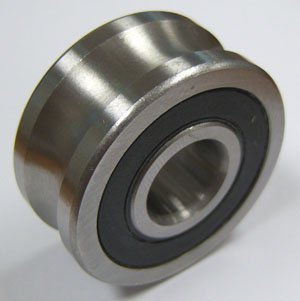
Are there specific materials commonly used in the construction of track bearings?
Yes, specific materials are commonly used in the construction of track bearings to ensure their durability, load-carrying capacity, and resistance to various operating conditions. Let’s discuss the materials commonly used for different components of track bearings:
- Outer and Inner Rings: The outer and inner rings of track bearings are typically made from high-quality bearing steels such as chrome steel (e.g., AISI 52100) or stainless steel. These materials offer excellent strength, hardness, and wear resistance. Chrome steel is the most commonly used material due to its favorable combination of mechanical properties and cost-effectiveness. In some cases, specialized alloys or heat-treated steels may be used to enhance specific properties like corrosion resistance or high-temperature performance.
- Rolling Elements: The rolling elements in track bearings are commonly made from bearing-grade steel or ceramic materials. Bearing-grade steel, similar to the materials used for the outer and inner rings, offers high strength and wear resistance. Ceramic materials, such as silicon nitride (Si3N4) or zirconia (ZrO2), are also used in certain applications where their advantages, such as high hardness, low density, and resistance to corrosion and high temperatures, are desired.
- Cage: The cage in track bearings is typically made from materials such as steel, brass, or engineered polymers. Steel cages are commonly used due to their strength and durability. Brass cages offer good corrosion resistance and are suitable for certain operating environments. Engineered polymers, such as polyamide (nylon), are used in applications where low friction, noise reduction, or lightweight design is desired.
- Seals or Shields: The seals or shields used in track bearings are made from various materials depending on the specific requirements. Common materials include rubber or synthetic elastomers for seals, and steel or stainless steel for shields. These materials provide effective protection against contaminants while maintaining proper lubrication within the bearing assembly.
- Lubrication: Lubricants used in track bearings can vary depending on the application and operating conditions. Common lubrication options include mineral oils, synthetic oils, and greases. The lubricant’s formulation is carefully chosen to provide adequate lubrication, reduce friction and wear, and protect against corrosion and contamination.
Overall, the choice of materials for track bearings is influenced by factors such as load requirements, operating conditions (including temperature and moisture levels), desired lifespan, and cost considerations. By selecting appropriate materials for each component, track bearings can deliver reliable performance and extended service life in a wide range of industrial and mechanical applications.


editor by CX 2024-02-11