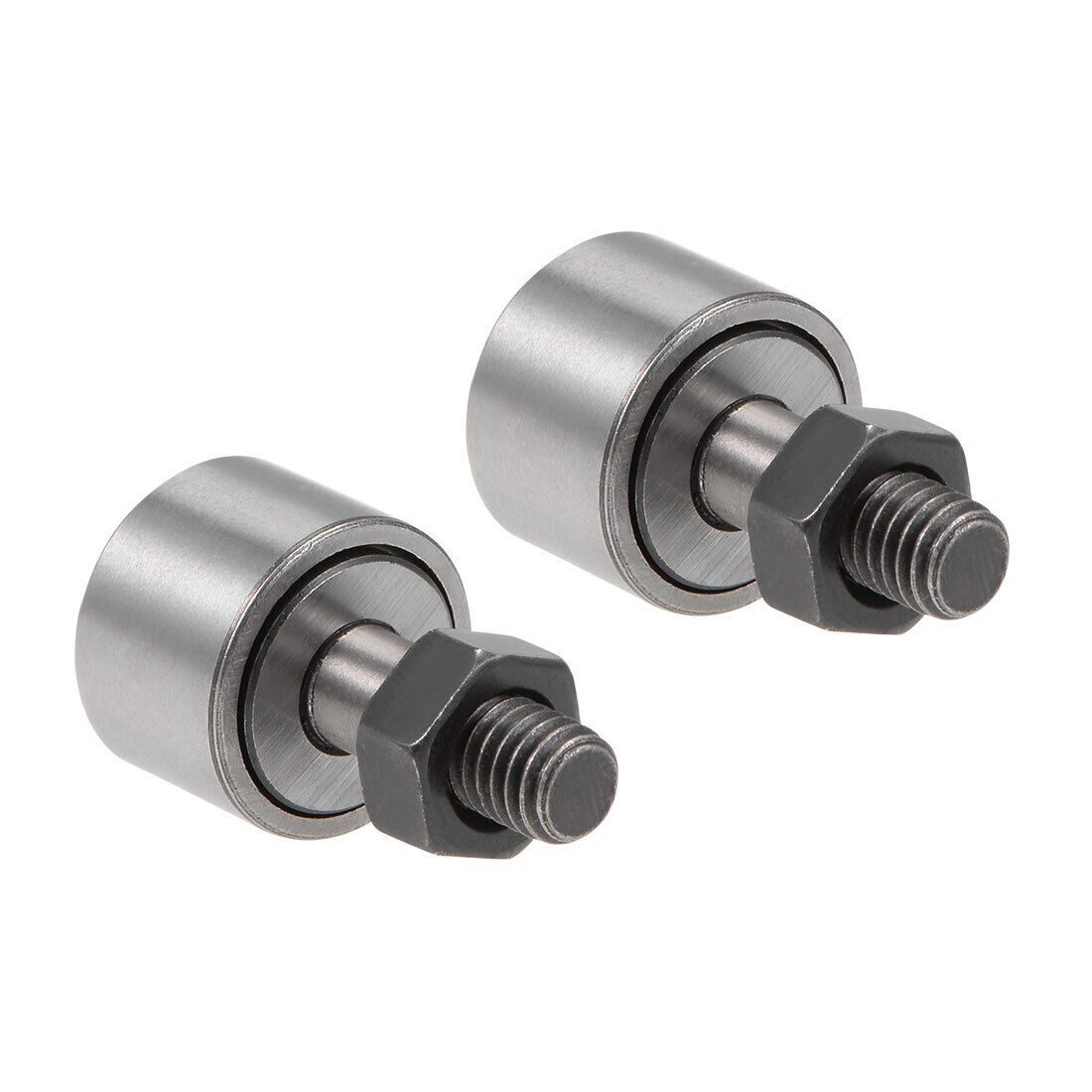
What are the considerations for selecting the right track bearings for a particular application?
Selecting the right track bearings for a particular application requires careful consideration of various factors to ensure optimal performance, reliability, and longevity. Here are the key considerations to keep in mind:
- Load Requirements: Assess the expected load conditions in the application. Consider both the static and dynamic loads that the track bearings will need to support. Determine the maximum load capacity required to ensure that the selected bearings can handle the anticipated loads without premature failure or excessive wear.
- Speed and Acceleration: Evaluate the speed and acceleration requirements of the application. Higher speeds and rapid accelerations can impose additional stresses on the track bearings. Choose bearings with suitable speed and acceleration ratings to ensure they can operate effectively within the desired range without compromising performance or causing premature wear.
- Environmental Factors: Consider the operating environment of the application. Evaluate factors such as temperature extremes, moisture, dust, chemicals, and potential exposure to corrosive substances. Select track bearings that are designed to withstand the specific environmental conditions to ensure optimal performance and longevity.
- Track and Rail Compatibility: Assess the compatibility of the track bearings with the existing track or rail system. Consider factors such as track geometry, dimensional requirements, and mounting options. Ensure that the selected bearings are suitable for the specific track or rail design to facilitate proper installation, alignment, and smooth operation.
- Maintenance and Lubrication: Evaluate the maintenance and lubrication requirements of the track bearings. Consider factors such as the need for regular maintenance, lubrication intervals, and the availability of suitable lubricants. Choose bearings that align with the desired maintenance practices and provide appropriate lubrication options based on the application’s operational demands.
- Expected Lifespan and Reliability: Determine the desired lifespan and reliability expectations for the track bearings. Consider factors such as the projected operating hours, duty cycles, and the criticality of the application. Select bearings from reputable manufacturers known for producing high-quality, reliable products that align with the expected lifespan and reliability requirements.
- Cost Considerations: Evaluate the cost-effectiveness of the track bearings. Consider the initial purchase cost as well as the long-term costs associated with maintenance, replacement, and potential downtime. Strive for a balance between the upfront investment and the overall value provided by the bearings in terms of performance, reliability, and longevity.
It is essential to consult with bearing manufacturers or industry experts who can provide guidance and recommendations based on the specific application requirements. By considering these factors and seeking expert advice, you can select the right track bearings that best meet the needs of your particular application.
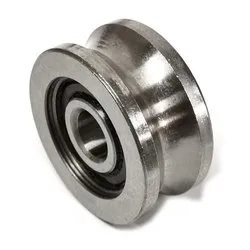
What innovations or advancements have been made in track bearing technology?
Track bearing technology has seen several innovations and advancements over the years, driven by the need for improved performance, increased reliability, and enhanced functionality. Here are some notable innovations in track bearing technology:
- Advanced Materials: The development of new materials has significantly improved the performance and longevity of track bearings. Materials such as ceramic, hybrid ceramics, and high-performance steels offer enhanced strength, corrosion resistance, and temperature stability, making them suitable for demanding applications.
- Improved Sealing Solutions: Sealing technology has advanced to provide better protection against contaminants, moisture, and other environmental factors. Innovative seal designs and materials, including labyrinth seals, triple lip seals, and specialized coatings, help keep track bearings clean and extend their service life.
- Enhanced Lubrication: Lubrication plays a crucial role in the performance and lifespan of track bearings. Advancements in lubrication technology, such as the development of high-performance greases and solid lubricants, have improved the efficiency, reliability, and maintenance requirements of track bearings.
- Integrated Sensor Systems: Track bearings can now incorporate integrated sensor systems to monitor various parameters such as temperature, vibration, and load. These sensors provide real-time data on bearing health and performance, enabling predictive maintenance strategies and early detection of potential issues.
- Smart Bearing Technology: Smart bearing technology combines sensor systems with advanced data analytics and connectivity capabilities. These bearings can communicate wirelessly with monitoring systems, enabling remote monitoring, condition-based maintenance, and optimization of operational parameters for improved performance and efficiency.
- Design Optimization: Computer-aided design (CAD) and finite element analysis (FEA) tools have revolutionized the design process for track bearings. These tools allow for precise modeling, simulation, and optimization of bearing geometries, materials, and load capacities, resulting in improved performance, reduced weight, and enhanced reliability.
- Application-Specific Customization: With advancements in manufacturing processes, track bearings can now be customized to meet the specific requirements of different applications. Manufacturers can tailor bearing designs, materials, and coatings to optimize performance, reliability, and compatibility with unique operating conditions.
These innovations and advancements in track bearing technology have collectively contributed to improved performance, extended service life, and enhanced functionality in a wide range of industries and applications. They continue to drive progress in the field, enabling track bearings to meet the evolving demands of modern industrial systems.
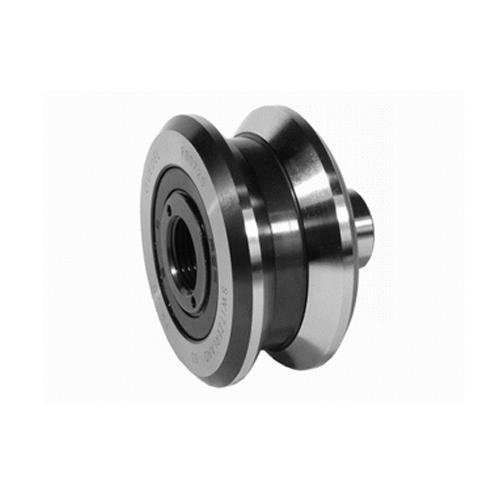
What are the components of a track bearing assembly and their functions?
A track bearing assembly consists of several components that work together to facilitate smooth and controlled motion along a track or guide rail. Let’s explore the components of a typical track bearing assembly and their functions:
- Outer Ring: The outer ring is the outermost component of a track bearing assembly. It provides structural support and houses the rolling elements. The outer ring is designed with a track or guide surface that interfaces with the track or rail, allowing the bearing to move along the desired path.
- Inner Ring: The inner ring is located inside the outer ring and provides a mounting surface for the bearing assembly. It may have a stud or shaft for attaching the bearing to the application. The inner ring helps in aligning and positioning the bearing assembly.
- Rolling Elements: The rolling elements are the components that enable smooth rolling motion between the inner and outer rings. In track bearings, the rolling elements are typically in the form of rollers or needles. They are designed to minimize friction and distribute the load evenly along the track surface.
- Cage: The cage, also known as a retainer, is a component that holds the rolling elements in position and maintains proper spacing between them. The cage prevents the rolling elements from contacting each other, reducing friction and wear. It also helps in guiding the rolling elements during operation.
- Seals or Shields: Track bearings often incorporate seals or shields to protect the internal components from contaminants such as dirt, dust, and moisture. Seals provide a physical barrier between the bearing and the external environment, while shields offer partial protection while allowing some lubrication to reach the rolling elements.
- Lubrication: Proper lubrication is crucial for the smooth operation and longevity of track bearings. Lubrication reduces friction, dissipates heat, and prevents wear between the rolling elements and raceways. Lubricants can be applied through grease fittings or oil ports, ensuring that the rolling elements roll smoothly along the track surface.
- Mounting Hardware: Depending on the specific design and application requirements, track bearing assemblies may include mounting hardware such as studs, bolts, or fasteners. These components are used to securely attach the bearing assembly to the application, ensuring proper alignment and stability.
By combining these components, a track bearing assembly provides reliable and controlled motion along a track or guide rail. The outer and inner rings, along with the rolling elements and cage, enable smooth rolling motion, while seals or shields protect the internal components from contaminants. Proper lubrication and mounting hardware ensure optimal performance and longevity of the track bearing assembly.


editor by CX 2024-01-09